Bloomingdale, IL—Independent, family- and employee-owned manufacturer, NOW Health Group (NHG), has announced that it will be selling a portion of its stock to its employees through an Employee Stock Ownership Plan (ESOP) in order to preserve local ownership and strengthen its prospects. NOW Chief Executive Officer, Jim Emme, said the decision was made in the best interest of the company's future owners, which will now be in the hands of a combination of family and the employees at large: “Ownership succession was the missing link in our otherwise successful business growth plans. We really needed a transition plan that worked for everyone—the Richard family, the management team, the employees, the community, and, of course, for our customers. This outcome allows us to continue moving forward strongly based on the core values that have always guided our business—transparency, clear communication, community, and business success built by our employees.”
Financial Implications
Through the ESOP, employees are expected to own roughly 30% of the company. Employees who meet the open eligibility requirements of the ESOP will receive shares of the company stocks over a period of time and will receive the cash value of those shares once they retire or depart the company. The ESOP, which is a form of a federally regulated retirement plan, is designed to invest primarily in the shares of the parent company. Because individual employees are not investing their own funds, the ownership transition is funded through corporate earnings.
According to the ESOP Association in Washington, D.C., there are roughly 7,000 ESOPs in the United States. This growing trend amongst American business is more typical of small to mid-sized firms, says Emme. “Most ESOPs are in smaller to mid-sized firms that are very successful and need a plan to transfer ownership to a future generation. Our company is part of a growing trend of successful businesses opting to use ownership to position themselves for ongoing future success. The Richard family had discussed moving toward a partial ESOP for many years with the intent of giving back to the hard-working employees. The timing is right for us now. What we learned through this process is that ESOPs combine employee ownership, careful communication, and education with targeted incentives. Many of these companies tend to outperform their competitors in the marketplace in terms of sales growth, employee retention, and other performance metrics.”
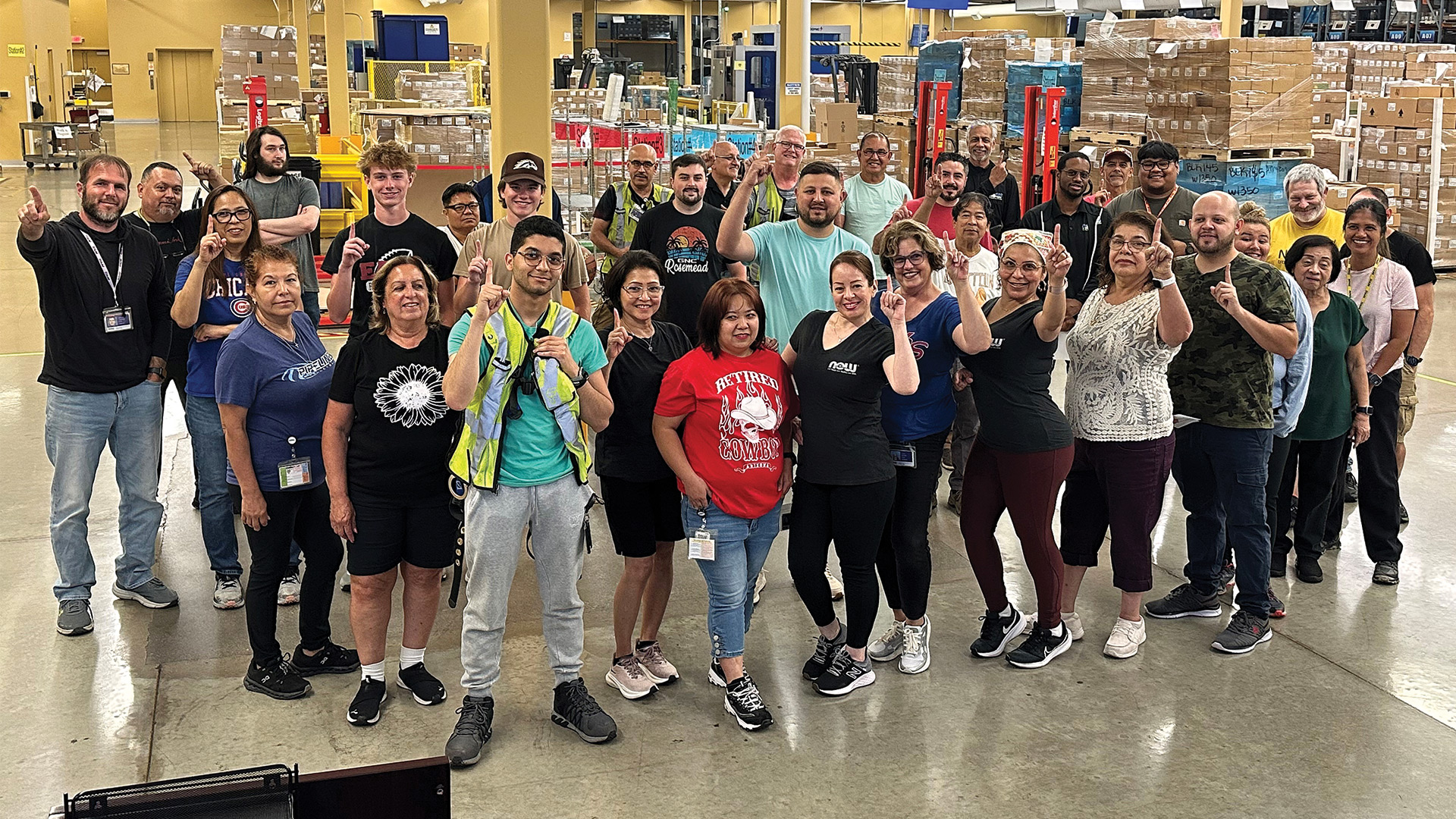 Members of the NOW team. Image courtesy of NOW.Michelle Canada-Holda, NHG Vice President of Human Resources, says the company plans to launch several initiatives to help explain the new ESOP opportunity to its employees and their families. “We are planning a series of employee communications—starting with a kickoff message, written materials, meetings with employees and their families, and the formation of an employee owners’ committee—to explain what we’ve done, why, and how it will affect everyone.” Canada-Holda added, “We are truly thrilled with this outcome and look forward to many more years of successful operations in the communities where we work while sharing with our employees as we do in many of our engagement programs.”
Clear choice
News of the company's ownership transition comes as the natural products brand, whose inventory includes supplements, foods, sports nutrition, personal care products, essential oils, and pet supplements, continues to report increased sales growth, a feat they have continuously achieved since 2015. "We’ve done very well by this business, and we want our workforce and the communities that have supported us all these years to continue to do well by us with a promising future," said Emme.
With products in health food stores throughout the country, Canada, and over 100 countries worldwide, offering its employees the opportunity to own a part of the company they worked so hard for and share in its success felt like the best way of continuing NOW's success, according to the CEO. “We realized several years ago that we would eventually need a plan to transfer the ownership and management of the business to the next generation, or we would risk seeing our business either sold or possibly fail. We receive numerous calls to sell our company, but we have worked too long and too hard to build this business, and that was not an acceptable option."