.webp?t=1766068852&width=1080)
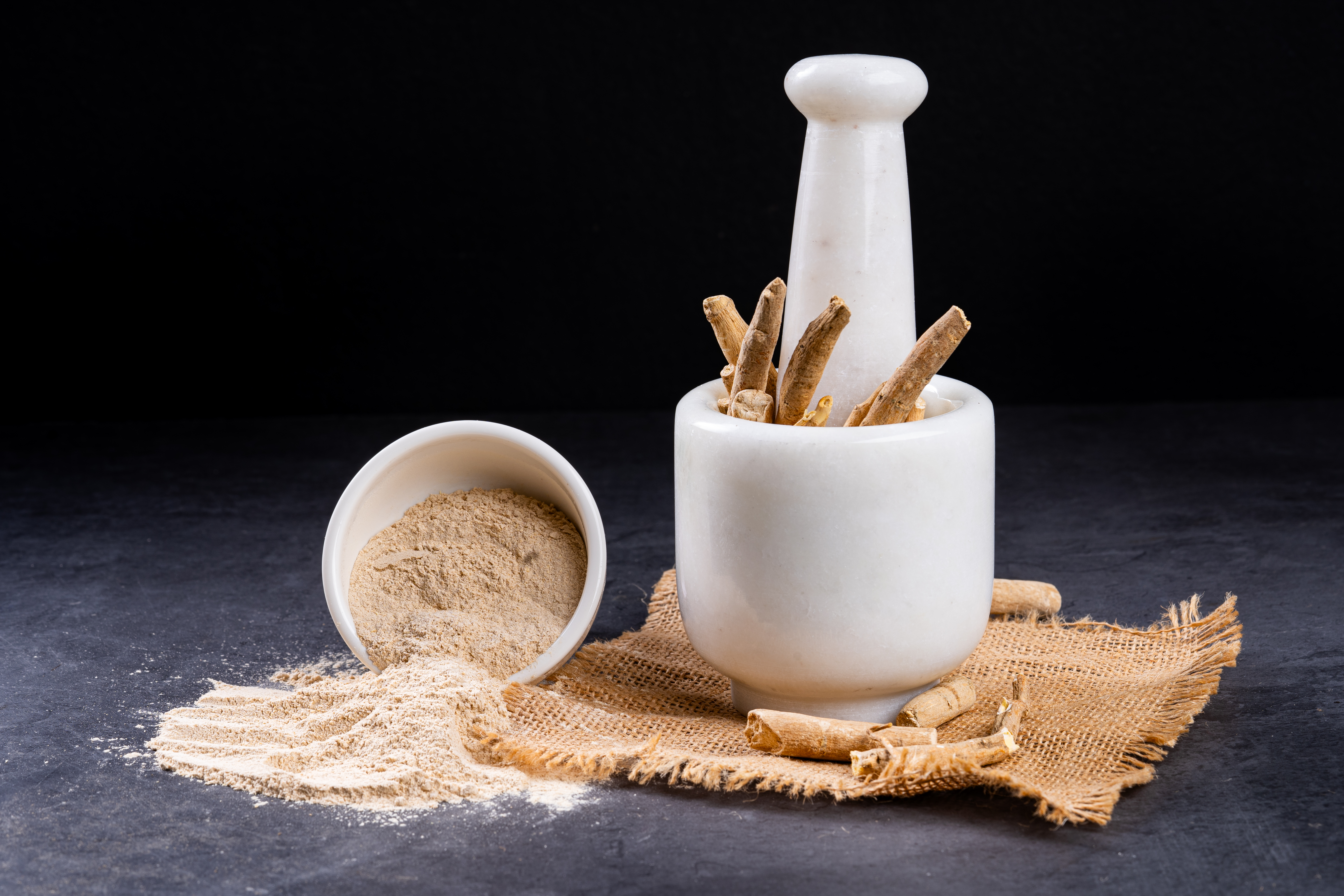
Los Angels, CA—SRI-81 Shatavari Root is the new clinically backed offering from lxoreal Biomed, Inc. The standardized extract was developed over the course of eight years, using the foundations of green chemistry, intended to serve the women's wellness space.
Following its debut during SupplySide Global 2025, lxoreal, best known for having developed one of the industry's most well-known natural product ingredient brands, KSM-66 Ashwagandha, announced the publishing of several new studies supporting its SRI-81 product claims of reproductive health support in females. The "Queen of Herbs" as it has been crowned, already boasts an impressive backing of 10 clinical studies focused on key areas of women's health including sexual function and hormonal balance. Recently, the company shared news of three additional studies, supporting claims of menopause, lactation, and perimenopause support.
The latest research on SRI-81 Shatavari Root Extract
Each study observed the efficacy and safety of Shatavari Root Extract in women when used for; menopausal symptoms, postpartum lactation, and perimenopausal symptoms. Participants were given a dose of 300 mg/day for different periods of time, depending on the study. Each study also determined the effects of SRI-81 on secondary symptoms such as hot flashes, mood improvement, maternal satisfaction, and stress. For each study, researchers set out to determine:
Study: Menopausal Symptoms in Women
A randomized, double-blind, three-arm, placebo-controlled study to evaluate; the efficacy of Shatavari root extract in improving menopausal symptoms as assessed by the Menopause Rating Scale (MRS), the effect of Shatavari root extract on perceived stress and quality of life in women with menopausal symptoms, and the effect on hot flashes, mood improvement, serum hormone levels (estradiol, FSH, LH, testosterone).
- Study Dose: 300 mg/day
- Study Duration: 8 weeks
- Number of Participants: 125
Results
- The Menopause Rating Scale scores for the Somato-vegetative (p < 0.0001), Psychological (p < 0.0001), and Urogenital domains (p < 0.0001) decreased significantly by 36.2%, 37.1%, and 29.8%, respectively. There was a 44.7% decrease in the Total Menopause Rating Scale score (p<0.0001), indicating improvement in menopausal symptoms
- A 16.9% decrease in Perceived Stress Scale score (p<0.0001)
- The Menopause-Specific Quality of Life scores for Vasomotor, Psychological, Physical, and Sexual domains reduced significantly by 29.4%, 19.9%, 19.2%, and 15.7%, respectively. There was a 20.1% decrease in the Total Menopause-Specific Quality of Life score, indicating improvement in menopausal symptoms
- A 37.5%, 40.9%, 45%, 43.5%, 35.9%, 19.6%, and 15.7% reduction in Tension, Anger, Depression, Fatigue, Confusion, Emotional Regulation Ability (p=0.025), and Vigour, respectively, and a 5.3% reduction in total Profile of Mood States scores
- A 57.9% decrease in the Hot Flashes score (p=0.002)
- A 2.1% increase in Serum Estradiol level
Study: Lactation
A randomized, double-blind, placebo-controlled study to evaluate the effect on; time to evident breast fullness and the total breast milk volume expressed at 72 hours postpartum, maternal satisfaction with lactation and breastfeeding experience using a five-point Likert scale, investigator-rated maternal and infant well-being, including observable indicators such as maternal comfort, breastfeeding confidence, and infant feeding behavior.
- Study Dose: 300 mg/day
- Study Duration: 72 hours
- No. of Participants: 113
Results
A 48.87% decrease in Time to Evident and Noticeable Breast Fullness (p=0.002) after 72 hours
- A significant increase in Milk Volume Measurements (p<0.001) after 72 hours
- Investigator satisfaction improved by 27.78% compared to the placebo group
- Satisfaction by Mother for well-being and happiness improved by 53.12% compared to the placebo
- Subjective satisfaction by the mother for breast fullness improved by 41.67% compared to the placebo
Study: Perimenopausal Symptoms
A randomized, double-blind, two-arm, parallel, placebo-controlled study to evaluate; the efficacy of Shatavari root extract in improving perimenopausal symptoms, as assessed by the Menopause Rating Scale (MRS), assess the efficacy of Shatavari root extract on perceived stress in women with perimenopausal symptoms, the efficacy of Shatavari root extract on menopause-related quality of life, the efficacy of Shatavari root extract on mood and emotional well-being in perimenopausal women, the efficacy of Shatavari root extract on the frequency and severity of hot flashes, and determine the efficacy of Shatavari root extract supplementation on serum hormone levels, including estradiol, FSH, LH, and testosterone.
- Study Dose: 300 mg/day
- Study Duration: 8 weeks
- No. of Participants: 73
Results
- The Menopause Rating Scale scores for the Somato-vegetative (p < 0.0001), Psychological (p < 0.0001), and Urogenital domains (p < 0.0001) decreased significantly by 40.5%, 43.7%, and 43.7%, respectively. There was a 42.6% decrease in the Total Menopause Rating Scale score (p<0.0001), indicating improvement in menopausal symptoms
- A 29.6% decrease in Perceived Stress Scale score (p<0.0001)
- The Menopause-Specific Quality of Life scores for Vasomotor, Psychological, and Physical domains reduced significantly by 29.6%, 7.9%, and 2.9%, respectively. There was a 5.4% decrease in the Total Menopause-Specific Quality of Life score (p=0.043), indicating improvement in menopausal symptoms
- A 24.1%, 42.2%, 36.4%, 28.5%, 12.1%, and 7.5%, reduction in Tension, Anger, Depression, Fatigue (p=0.019), Confusion, and Emotional Regulation Ability, respectively, and a 9.4% reduction in total Profile of Mood States scores
- A 25.9% decrease in the Hot Flashes (p=0.002) score
- A 32.8% increase in Serum Estradiol level
Full details and descriptions for each of the research projects are available here:
- Efficacy and Safety of Shatavari (Asparagus racemosus) Root Extract for Perimenopause: Randomized, Double-Blind, Placebo-Controlled Study
- Efficacy and safety of Shatavari root extract (Asparagus racemosus) for menopausal symptoms: a randomized, double-blind, three-arm, placebo-controlled study
- Shatavari (Asparagus racemosus Willd) root extract for postpartum lactation: A randomised, double-blind, placebo-controlled study