“Bright, bold, and complex.” That’s how Ben Ripple, Founder and CEO of Big Tree Farms, describes the future of global flavors in the U.S. market. “Consumers today, led primarily by Millennials and Gen Z, are driving the demand for global flavors in ways we’ve never seen before,’ Ripple reported in The Global Flavor Revolution. “But what’s particularly interesting is not just the breadth of this interest, but its depth—these consumers are not satisfied with generic international flavor profiles; they crave authenticity, specificity, and, perhaps most importantly, a sense of connection to the food they’re eating.”
Big Tree Farms is working to meet the demand with a host of delicious products, which were on display at the Newtopia Now show in September. This includes Coco Amino Sauces and Marinades, which are gluten free, soy free, vegan, lower sodium than soy sauce, and with no refined sugars. The savory sauce is brewed in small batches from Nira, the nectar of the coconut blossom harvested by hand by our collective of organic farmers in Indonesia.
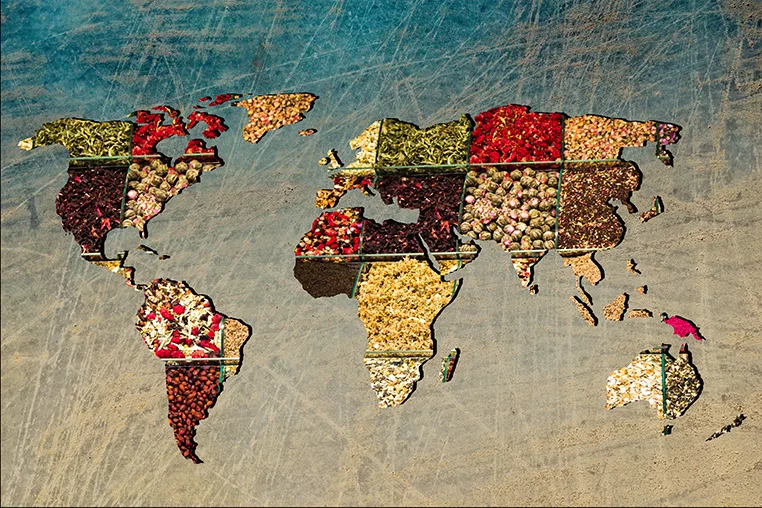
More deliciousness was on display at the Summer Fancy Food Show in June, and Trendspotter Nancy Trent, Founder and President of Trent & Company, sampled her way through the aisles. In 25 Trends Spotted at the Specialty Food Show, Trent reported, “Fancy Food 2025 proved one thing: Flavor knows no borders. The world map of food is being redrawn—and the most exciting frontiers aren’t the usual suspects.”
Among the micro-trends, Trent pointed to the rise of traditional Peruvian sauces. “These bold, flavorful condiments are finding their way into kitchens and menus worldwide, bringing the heat and depth of Peru’s cuisine to a global audience. Tari is Peru’s #1 hot sauce, bringing bright, authentic heat and flavor complexity to U.S. kitchens. Rooted in heritage, Tari’s sauces use native Peruvian peppers and traditional batán stone-grinding for creamy, authentic depth. The lineup includes Tari Ají Amarillo, its signature pepper and a 2025 flavor favorite, Tari Rocoto, and new releases Zesty Verde, Tropical Kick, and Smoky Heat, ready to spice up everything from BBQ to tacos and salads.
Continuing her globe-trotting taste experience, Trent put a spotlight on Indian cuisine and Ayurvedic influences. “Ayurveda entering the mainstream is a big signal of its growing influence in the wellness system of everyday products and routines. From adaptogenic herbs and Dosha-balanced meals to skincare and teas, brands are embracing Ayurvedic principles to meet consumer demand for holistic, time-tested approaches to health and well-being.” One standout brand: “AyurSome Wellness offers Ayurvedic teas formulated to bring ancient holistic science to modern daily rituals. This vibrant AAPI women‑owned label was born from founder Divya Kumar's passion to make holistic health accessible. The brand offers USDA‑Organic, caffeine‑free herbal teas in compostable bags, targeting digestion, stress, sleep, immunity, and blood‑sugar balance. Alongside these are refined‑sugar‑free ancient‑grain tea biscuits and a golden turmeric spice blend, all vegan, thoughtfully packaged, and lovingly micro‑batch made in New Jersey.”
Indian fare also offers consumers bold, spice-forward snacks and meals that celebrate the country’s culinary heritage while appealing to diverse, modern tastes. Trent enjoyed the offerings from Bang, with health-focused Indian fusion dishes balancing tradition and nutrition. “They are a health-forward Desi fusion eatery based in Westchester, NY, blending Bengali-inspired flavors with globally sourced superfoods. The menu—from bowls to wraps—is handcrafted, nut-free, GMO-free, and antibiotic-free, often featuring ingredients like guava and pomegranate alongside traditional Indian spices. With a focus on clean eating and bold, unexpected flavors, Bang aims to energize and invigorate every bite.”
For a treat, there’s Doosra, which offers a playful take on Indian snack culture with its boondi-based mixes, blending savory spices like amchur with sweet elements such as caramelized white chocolate and Kerala-style banana chips. “The brand delivers crunchy, multi-textured snack bowls that nod to traditional chai-time favorites while appealing to modern tastes,” Trent says. “With standout varieties like Peanut & White Chocolate and the vegan Dark Chocolate & Walnut mix, Doosra invites snack lovers to enjoy authentic Indian flavors as everyday treats.
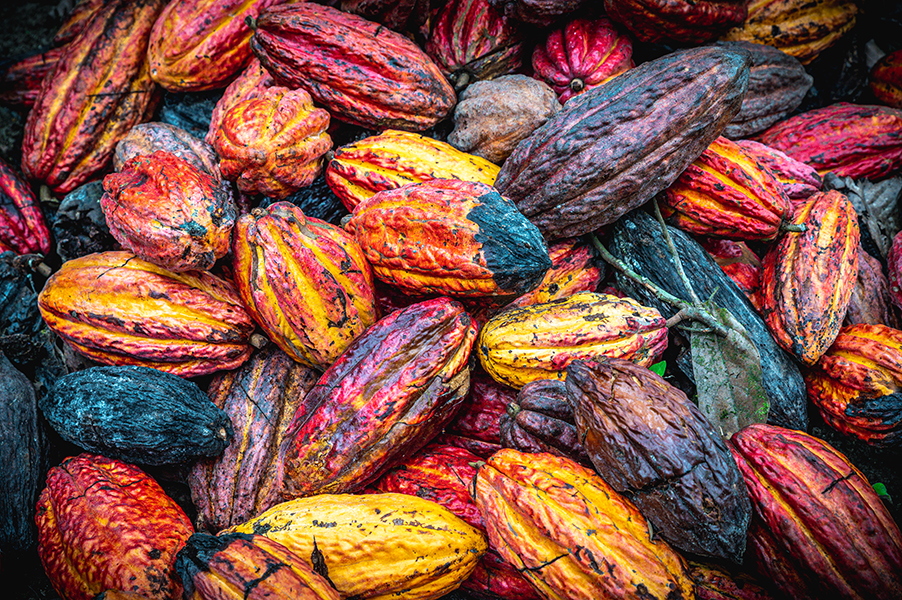 Also on the sweet front, Trent was loving Muze, which is intentionally formulated to function like a supplement—designed to support mood, energy, focus, or rest through every bite. “Founded by Latinx sisters, this women-owned bean-to-bar company blends premium, single-origin Ecuadorian cacao with clinically studied adaptogens, botanicals, and superfoods, creating clean-label chocolate that delivers targeted benefits without refined sugar, seed oils, or hidden additives.”
Another international cuisine to watch: Malaysian. “This category marks a growing appreciation for the country’s rich culinary traditions, blending Malay, Chinese, and Indian influences. With bold flavors, unique ingredients, and vibrant dishes, Malaysian food is capturing attention as the next global cuisine to watch. Auria's Malaysian Kitchen brings bold sambals and sauces to American kitchens while Samonyu by Ixora Foods innovates with Malaysian seafood products and pantry staples, signaling a Malaysian flavor boom.”
Korean comfort foods are also trending. “There is a growing demand for cozy, flavorful Korean dishes like stews, rice bowls, and savory pancakes in everyday U.S. meals,” Trent reported. “Bold spices and umami-rich ingredients blend together with familiar formats, making Korean cuisine more accessible and craveable than ever. Gamsa Foods introduces Juk, Korea’s traditional savory rice porridge, positioned smartly as ‘savory oatmeal’ for U.S. consumers. Their flagship Sesame Garlic Savory Oatmeal combines 12 wholesome ingredients, oats, quinoa, miso, and seaweed, into an umami-rich bowl that’s ready in minutes. Each recipe is taste-tested by the founder's mother, a home cook with over 25 years of experience, ensuring authentic flavor.”
Wrapping up the year and looking ahead, Trent reports, “2025 was about rewriting the recipe. The biggest takeaway was that the future of food isn’t just functional or sustainable, it’s theatrical, emotional, and unapologetically global. It’s not about following flavor trends anymore. It’s about brands building worlds, sparking movements, and finding meaning in every bite.”
To reach the adventurous consumers sampling global flavors, Ripple advises, “Meeting the demand for global flavors is about more than just offering exotic tastes—it’s about authenticity, transparency, and a commitment to the health-oriented values that these consumer cohorts hold dear. At the core of this movement is a desire for food that is meaningful, not just delicious. Brands that can offer real, culturally significant products with clean ingredients and a transparent supply chain will be the ones that thrive in this new era of global flavor exploration. As the market continues to evolve, the future looks bright—and incredibly flavorful.”