Consumers are no longer reaching for nutri-beauty supplements simply to improve the reflection in the mirror. Many shoppers recognize that radiant skin, shiny, voluminous hair, and strong nails are important external indicators of good health, and they are investing in beauty-from-within products as part of their wellness protocol.
“The lines between beauty and well-being are blurring, with ingestible skincare now seen as a core element of healthy aging and general vitality,” says Lori Ditty, Marketing Manager, Lubrizol Nutraceuticals. “In particular, consumers are prioritizing radiance, resilience, and well-being, and taking a proactive approach to maintaining their glow, sometimes described as prejuvenation.”
This shift has the nutri-beauty category booming. “The market for nutricosmetics currently stands at between $7 to $9 billion globally, which demonstrates its influence on the daily wellness economy,” says Emily Harris, MS, RD, Senior Marketing Manager, Gnosis by Lesaffre. “Consumers are now looking at nutricosmetics to not just provide short-term visible effects, but preventive and systemic benefits that contribute to skin, hair and nail health.”
As Harris reports, a survey by FMCG Gurus found that overall, the benefits consumers would like to obtain from skin-care supplements are:
- Improved appearance: 46%
- Reduced signs of aging: 42%
- Reduced risk of illness: 45%
This, Harris says, demonstrates that nutricosmetics with added health benefit claims will perform well.
Retailers and brands looking to attract customers should lean into messaging that highlights how nutrition fuels a healthy glow. “Skin, hair, and nails are living tissues that depend on a steady supply of structural proteins, amino acids, minerals, glycosaminoglycans, and hydration-supporting compounds,” says Alexis Collins, Director of Product & Brand Strategy, Stratum Nutrition. “Skin’s dermal matrix is built around collagen, elastin, and glycosaminoglycans such as hyaluronic acid, which help keep skin plump, soft, hydrated, elastic, and resilient.”
In addition to skin longevity, Shaheen Majeed, Global CEO & Managing Director, Sabinsa, points to the gut-skin axis as an area to watch. Plus, the GLP-1 phenomenon has created an entirely new demand signal, as consumers on weight-loss medications seek nutritional support for the hair loss, skin laxity, and barrier compromise that can accompany rapid metabolic change.
Holistic protection against the elements is also gaining interest, reports Elizabeth Tarshish, Ph.D., Head of Product & Marketing, Lycored. “UV exposure, pollution, stress, poor sleep, and aging all contribute to oxidative stress and inflammatory processes that can affect collagen, barrier function, moisture balance, tone, and overall skin appearance. Supporting the body’s natural protective systems from within is becoming just as relevant as protecting the skin from the outside.”
Simplicity is also driving growth, adds Monica Gomez Navarro, Marketing Manager of Branded Ingredients, Bioiberica. “Multi-step topical routines are losing appeal, while a single daily supplement is seen as a more convenient way to achieve visible results. We’re seeing this reflected in the usage of color cosmetics falling by roughly one-third, as many consumers embrace streamlined routines and a more natural appearance.”
Seconding the trend of consumers scaling beauty down rather than up, Sébastien Bornet, VP Global Sales & Marketing, Horphag Research, notes, “A recent report found that 72% of consumers feel overwhelmed by the volume of new product launches. Rather than juggling dozens of products, consumers are embracing “skinimalism” — a less-is-more approach that focuses on smart, effective essentials over an overloaded regimen.”
Appealing to consumers’ personal needs and goals can be a smart way to connect, says Alice Olufeso, Senior Product Manager F&H Europe, Mibelle Biochemistry. In terms of growth drivers, Olufeso points to:
Products for specific demographic segments and life stages (think men’s beauty supplements for hair growth or collagen boosting, and products for women during menopause or postpartum).
- Personalized or life-stage-specific supplementation.
- Convenient formats such as powders or gummies.
- Easy integration into daily routines.
- Clinically backed ingredients.
Clear science backing and quality control assurances are key, stresses Cori Lorts, Ph.D., RDN, Senior Nutrition Scientist, Piping Rock Health Products. “Consumers are looking for recommendations from trusted experts and healthcare practitioners. While celebrities and social media influencers continue to play a role, shoppers increasingly want reassurance that products are supported by science and formulated with ingredients they recognize and trust.”
21 natural gems for radiance
Retailers have an opportunity to help consumers navigate a crowded landscape with trust and transparency. “The retail opportunity lies in curating a shelf that feels both mainstream and modern: recognizable ingredients for trust, backed by functional evidence for confidence,” advises Rajat Shah, Co-Founder, Nutriventia. “Instead of stocking products that simply promise ‘glow,’ the sharper play is to highlight ingredients and formulas that connect to specific outcomes like hydration, skin barrier support, tone evenness, and hair and nail strength. This means giving priority to familiar, trusted actives such as collagen and biotin, which have captured significant market share in 2024/2025, alongside vitamin C, zinc, and omega-3s. Retailers should also capitalize on the strong resurgence of herbal and traditional products, which are growing as consumers seek botanical ingredients they perceive as natural, gentler, and safer than traditional over-the-counter options. As offline retailers begin to reduce shelf space for generic vitamins in favor of targeted supplements for women’s health and skin repair, there is a clear opening for differentiated botanical solutions that address pigmentation or dullness with clinical backing.” Here, some of the ingredients driving demand.
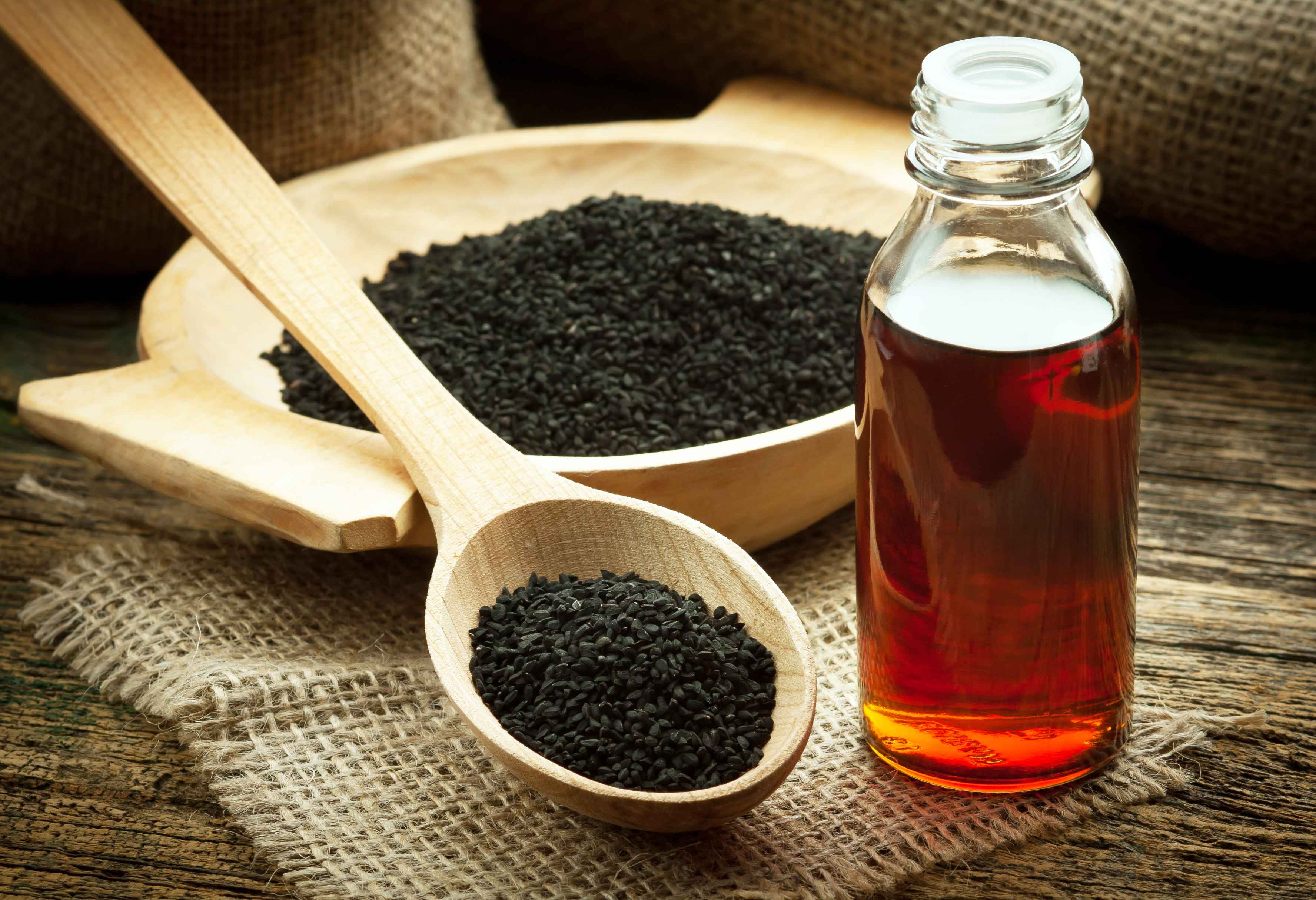 Black seed oil helps improve skin lubrication.
Collagen: Collagen leads the nutri-beauty category in sales, says Angie Rimel, Marketing Communications Manager, GELITA. “Collagen-based supplement launches for skin, hair, and nail health grew at a 24% CAGR from 2015-2025, and 28% of all skin, hair, and nail supplement launches in 2025 contained collagen. In North America specifically, skin health supplement launches with collagen grew at a 23% CAGR from 2015-2025, underscoring continued opportunity for differentiated, science-backed collagen solutions.”
Not all collagen peptides are equally beneficial, Rimel adds. “Differentiation comes from choosing collagen peptides with a specific bioactive design, a defined mechanism of action, and published clinical substantiation. For instance, VERISOL Bioactive Collagen Peptides are a standout example because they are specifically developed for beauty-from-within benefits and designed to stimulate fibroblasts—the cells in the skin responsible for producing collagen and other extracellular matrix components such as elastin and hyaluronic acid. Unlike generic collagen peptides that primarily provide amino acid building blocks, VERISOL also delivers specific bioactive peptides with a unique fingerprint that signals skin cells to stimulate collagen production.”
Consumers are increasingly looking for alternative collagen delivery methods. “Liquid collagen supplements have gained significant traction online and are now growing in-store,” says Lorts. “A recent liquid innovation is Rainbow Light Biotin, Collagen Hyaluronic Acid drops. It supports hair, skin and nails with 10,000 mcg of biotin per serving along with collagen peptides and low molecular weight hyaluronic acid.” Piping Rock also offers NeoCell Collagen Bio-Peptides powder, which has been enzymatically processed for superior absorption and provides 20-g of collagen per serving.
Capsicum annuum: “New research shows that Bellaneo, a branded form of capsanthin, a specific type of carotenoid extracted from Capsicum annuum, can help address hyperpigmentation, provide clearer skin, reduce fine line wrinkles, support hydration and skin elasticity, and protect against UV light,” says Sevanti Mehta, President, Unibar Corporation.
Eggshell membrane: The inner membrane of eggshells is rich in skin-nourishing compounds, including multiple collagen types, elastin, hyaluronic acid, glycosaminoglycans, calcium, keratin-associated proteins, and sulfur-rich amino acids, says Collins. “Our eggshell membrane ingredient OVOLUX gives retailers a sharper story: Traditional collagen products often rely on multi-gram scoop delivery, which can be bulky, messy, and compliance-limiting. OVOLUX delivers a differentiated eggshell membrane multi-collagen approach in an ultra-low 400-mg dose that still shows clinically significant improvements in skin elasticity, firmness, viscoelasticity, and hydration as early as six weeks.”
Folate: Low folate can speed visible aging by weakening DNA repair, slowing cellular turnover, and increasing oxidative stress. Supplementing with folate can support healthier skin by boosting DNA synthesis, cell division, and methylation, activities necessary for skin regeneration and repair of UV damage, says Harris. Active folate (5-methyltetrahydrofolate; 5-MTHF, branded as Quatrefolic) has been shown to be involved in fibroblast proliferation; fibroblasts are the main collagen-producing cells that lead to skin firmness and reducing appearance of fine wrinkle lines. Plus, Quatrefolic protects against excessive sun exposure, adds Harris. In a recent study, dermal fibroblasts were exposed to UVA irradiation mimicking sun exposure. Cells were treated with 5-MTHF (as Quatrefolic) pre- and post-UVA irradiation. Results showed measurable, dose-dependent uptake of 5-MTHF by dermal fibroblasts, which remained stable for up to 48 hours, suggesting prolonged cellular repair. Also, 5-MTHF provided significant protection against UVA-induced oxidative stress.
French maritime pine bark: Pycnogenol French maritime pine bark extract from Horphag is a potent antioxidant that provides foundational support for smooth, healthy skin—benefits validated by 22 clinical studies on skin health alone, asserts Bornet. “Pycnogenol supports beauty from within by helping address visible concerns tied to hydration, elasticity and uneven tone. Research shows Pycnogenol may help reduce melasma by preventing pigment overproduction as well as increasing skin elasticity and skin moisture by stimulating synthesis of new collagen and hyaluronic acid in the skin. In a placebo-controlled three-month study of outdoor workers in an urban area, skin elasticity improved by 13% with Pycnogenol, while the seasonal decrease in skin moisture during the hot summer months was reduced by 14% after Pycnogenol intake.”
Golden tomato carotenoids: Golden tomatoes contain unique naturally colorless carotenoids, such as phytoene and phytofluene, that absorb light in the UV range and build up in the skin over time, says Tarshish. “This gives them a distinctive role in supporting the skin’s ability to cope with sun-related and environmental stress from within. In addition to their light-absorbing properties, these carotenoids, found in Lycored’s Lumenato, help activate the skin’s own antioxidant and anti-inflammatory defense pathways, and support a more balanced response to stress, which is one of the key drivers of visible skin aging.”
Glutathione: Called the master antioxidant, glutathione is a potent tripeptide antioxidant that helps regenerate other antioxidants, sustaining the free radical neutralizing activity. “Aging naturally reduces glutathione production,” says Harris. “Emothion, a patented crystalline form of S-acetyl-glutathione, is clinically shown in a soon-to-be published study to promote more evenly toned skin, as well as improve skin barrier moisture by regulating trans epidermal water loss. By retaining the moisture in skin, skin glow improves.”
Hyaluronic acid (HA): This compound helps to keep skin and joints lubricated, but the body’s ability to produce it declines with age. Supplements containing the ingredient Dermial can help, says Navarro. Dermial combines HA with complementary glycosaminoglycans and collagen, and in a 12-week randomized, double-blind, placebo-controlled study, 60 mg/day was shown to provide significant improvements in skin hydration, smoothness, roughness and wrinkle reduction.
Indian gooseberry: Saberry, Sabinsa’s standardized extract, delivers broad-spectrum antioxidant activity across multiple ORAC assays, elevates mitochondrial activity in human skin fibroblasts, supports pro-collagen production, and has demonstrated photoprotective properties in laboratory investigations, says Mejeed. “It also inhibits tyrosinase, which is relevant for skin tone evenness, and 5-alpha reductase, which connects to hair health.”
Methylsulfonylmethane (MSM): MSM supports the body’s antioxidant defenses through glutathione production, says Jessica Arnaly, Senior Marketing & Business Development Manager, Balchem Human Nutrition & Health. “By providing nutrients that aid in collagen formation, and other key building blocks of skin, like dermatan sulfate and hyaluronic acid, MSM, like OptiMSM, has been shown to help reduce fine lines and wrinkles and improve skin firmness.” Research has shown complementary effects of combining MSM with collagen. In a double-blind, randomized, placebo-controlled trial, participants taking collagen plus OptiMSM experienced enhanced skin benefits compared to collagen alone, including greater reductions in skin roughness and increased skin thickness and hydration.
Moldavian dragonhead: A unique plant-based collagen booster from Moldavian dragonhead, DracoBelle Nu from Mibelle Biochemistry is clinically shown to improve skin moisture, elasticity and density.
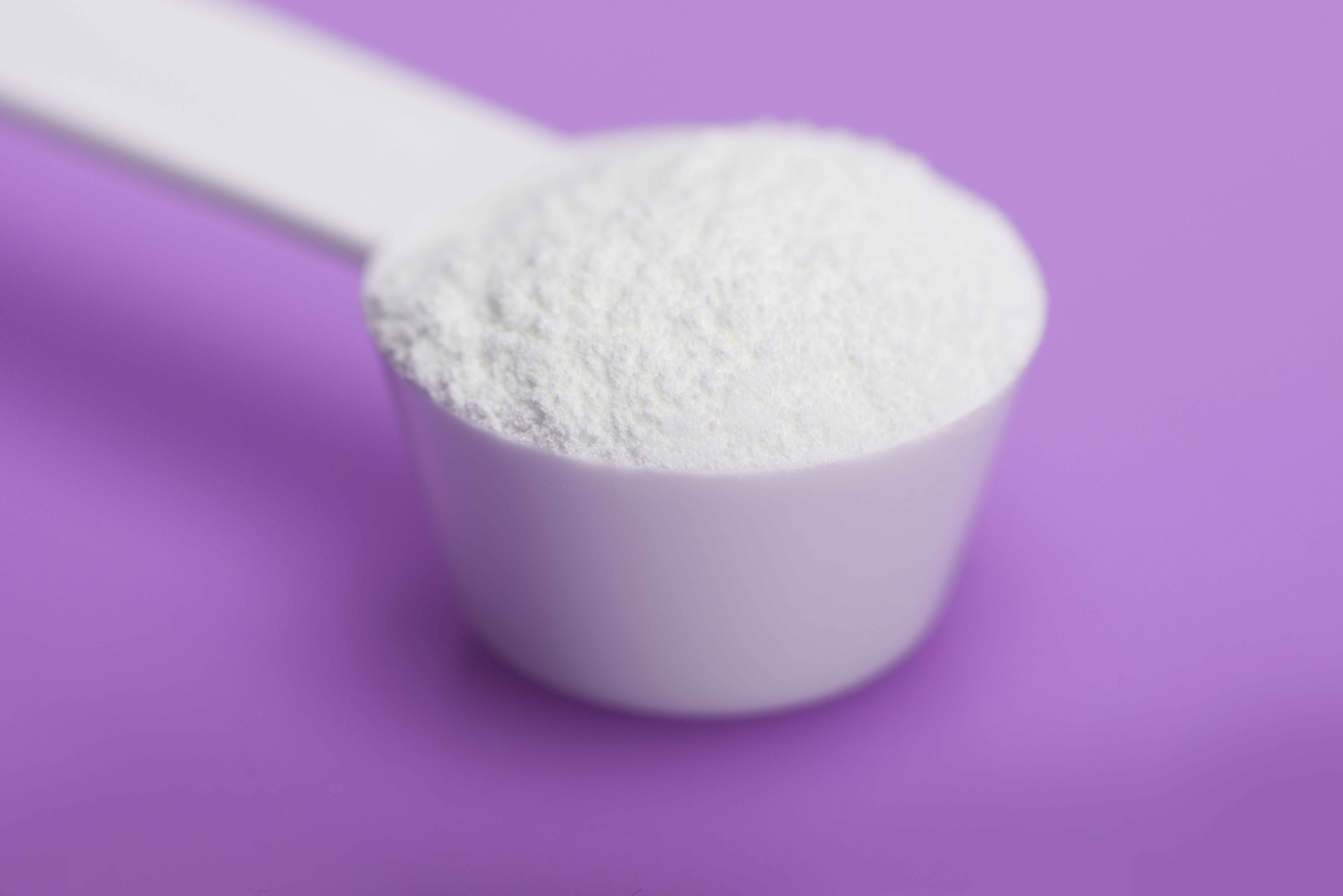 PEA supports a healthy inflammatory response.
Pea Sprout: AnaGain Nu, a pea sprout extract, rebalances the hair growth cycle by influencing key signaling molecules for new hair growth, says Olufeso. Clinical research showed that 100-mg daily significantly reduced hair loss after 28 days, while also improving visual hair density.
Postbiotics: Products that address skin moisture and elasticity through the skin-gut axis show promise, notes Jordi Riera, Chief Business Officer, Kaneka Probiotics. “In a recent randomized, double-blind, placebo-controlled trial, healthy women in their 30s and 40s receiving our postbiotic L. sakei KABP-065 postbiotic saw improvements in facial skin elasticity and firmness versus placebo. The results were particularly encouraging in participants in their 40s, who also saw skin moisture benefits.”
Pomegranate: Pomanox, a patented standardized pomegranate extract from Euromed, is a potent source of antioxidants. Clinical research has shown Pomanox to be associated with healthy aging, including biomarkers linked to cellular repair and longevity. Produced using a water-only extraction method, it delivers a high concentration of beneficial polyphenols, with up to 30% punicalagins.
Pumpkin seed oil: “Pumpkin seed oil is making a resurgence within the hair category, notes Lorts. Rainbow Light Pumpkin Seed Oil + Biotin & Saw Palmetto softgels supports hair and skin health with a plant-forward formula.
Nutritional yeast: Lynside, a branded nutritional yeast, provides all nine essential amino acids to deliver the biological building blocks for skin remodeling and wound healing, says Harris. “Lynside Forte Zn is a zinc yeast that provides a higher-bioavailable source of zinc. Zinc protects the skin against reactive oxygen species (ROS). Lynside Forte Zn binds to key metalloproteins within the cells of the epidermis, promoting cellular growth and survival.”
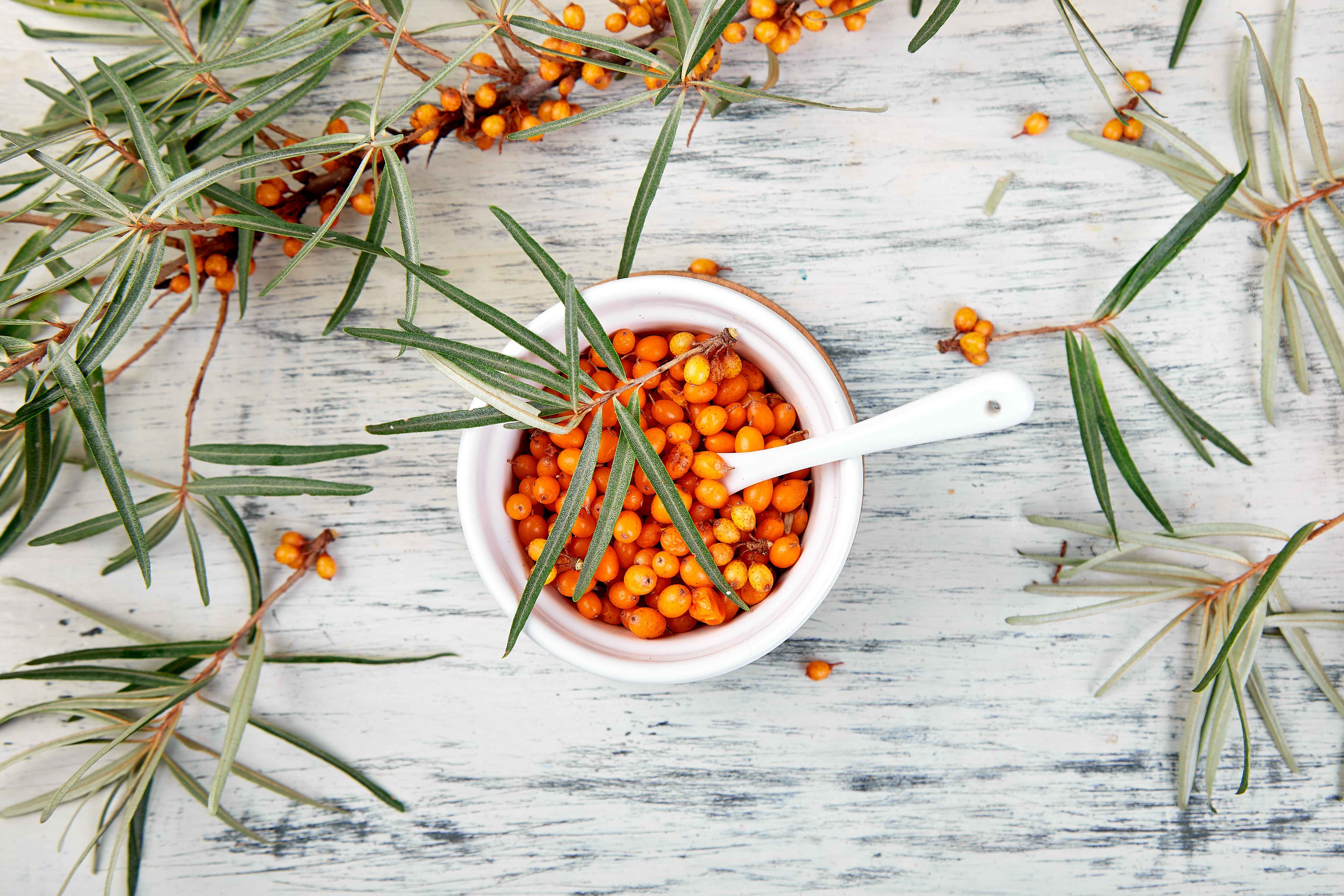 Sea buckthorn is a rich source of antioxidants.
Swiss Apple: PhytoCellTec Md Nu, an apple cell culture extract from a rare Swiss apple variety, rejuvenates aged skin, says Olufeso. In one study, 10-mg daily was shown to improve skin density, elasticity, and firmness.
Turmeric: Best known for anti-inflammatory effects, this herb is also recognized for its potential to support graceful aging, says Shah. The branded ingredient TurmXTRA glow has been validated by a clinical study that highlighted turmeric’s potential to reduce biological age markers in eight weeks. TurmXTRA glow is also clinically proven to reduce blemishes, even skin tone and boost hydration in one 250-mg dose.
Sabinsa offers Curcumin C3 Complex, a branded turmeric extract with well-documented anti-inflammatory and antioxidant activity, both of which are highly relevant to skin aging and barrier function.
Also spotlighting curcumin, Ditty says, “Curcumin has been shown to offer potent antioxidant and anti-inflammatory properties that help counter the negative impacts of reactive oxygen species (ROS) and advanced glycation end-products (AGEs) associated with collagen deterioration and skin aging.” Lubrizol’s Curcushine uses a patented technology that transforms curcumin extract into a water-dispersible, highly bioavailable form. “Clinical studies using Curcushine microcapsules have demonstrated significant improvements in skin luminosity, homogeneity, wrinkle depth, and dark spot coverage when curcumin is delivered in water-dispersible, microencapsulated formats.”
3 smart sales strategies for natural retailers
Think fun formats: “Carry a variety of formats, as consumers especially like to ingest nutricosmetics in non-pill form,” says Harris. “For example, integrating powders into coffee and smoothies, liquid shots, sachets and stick packs for on-the-go consumption, and gummies and chewables for a tiny treat. Encourage trial with sampling. Also, suggest customers take before-and-after selfies when using a specific nutricosmetic to upload to your socials.”
Bridge topical and supplemental. “Retailers should deliberately bridge the supplement and beauty aisles rather than treating them as separate departments,” says Majeed. “The nutri-beauty consumer shops both. Featuring oral beauty supplements in proximity to, or in conversation with, topical skin care creates the integrated routine narrative that the market is clearly moving toward. Cross-category displays, combination protocol suggestions—an oral antioxidant positioned alongside an SPF product, for example—and educational signage that explains the oral-topical rationale are all practical tactics that reflect how these consumers actually think about their routines.”
Partner with influencers: “With over 90 minutes spent on the platform and 130m+ users, TikTok and other social media platforms are a must for natural product retailers to market nutri-beauty products,” says Mehta. “In fact, beauty and personal care is one of the single largest categories driving revenue on TikTok Shop. With endless beauty creators on social media, retailers should lean into product sampling, gifting standout beauty-from-within products, and collaboration opportunities to drive in-store traffic.” WF