The debate regarding the safety of ashwagandha leaf in dietary supplements continues with the recent interim stay issued by The Karnataka High Court, the highest judicial authority of the Indian state of Karnataka. As the American Herbal Products Association (AHPA) shared, The Karnataka High Court issued an interim stay specifically to the petitioners involved in the case against the April 16 decision from the Food Safety and Standards Authority of India (FSSAI) advisory to ban the use of ashwagandha leaves or extracts that contain leaf in health supplements.
Several petitions filed by industry stakeholders appealing the decision, saying it bypassed formal regulatory amendment procedures under existing food safety frameworks and it disrupts longstanding manufacturing practices. To fully consider the issue, the Court scheduled a follow-up hearing for June 8, which gives regulatory authorities the opportunity to file formal objections.
Following the initial April 16 decision, ashwagandha ingredient suppliers and industry experts shared their views on the ban. Among them, AHPA President & CEO Graham Rigby stated: “This has been a longstanding point of discussion within the botanical industry, and we are engaged with our Ayurvedic Products Committee to evaluate the technical nuances of the FSSAI's advisory. AHPA is working to determine how this clarification might impact the global supply chain. AHPA's focus remains on ensuring that any regulatory policies potentially impacting international supply chains are grounded in sound science and that U.S. consumers continue to have access to safe, high-quality dietary supplements that meet all domestic compliance standards.”
AHPA said its Ayurvedic Products Committee will continue evaluating developments to determine how impacts on the global marketplace.
Read more industry viewpoints on the issue:India’s Ashwagandha Leaf Ban Sparks Debate Over Safety, Science, and Supply Chain
FAQ & Key Takeaways: India’s Ashwagandha Leaf Ban
What is India working to ban in ashwagandha products?
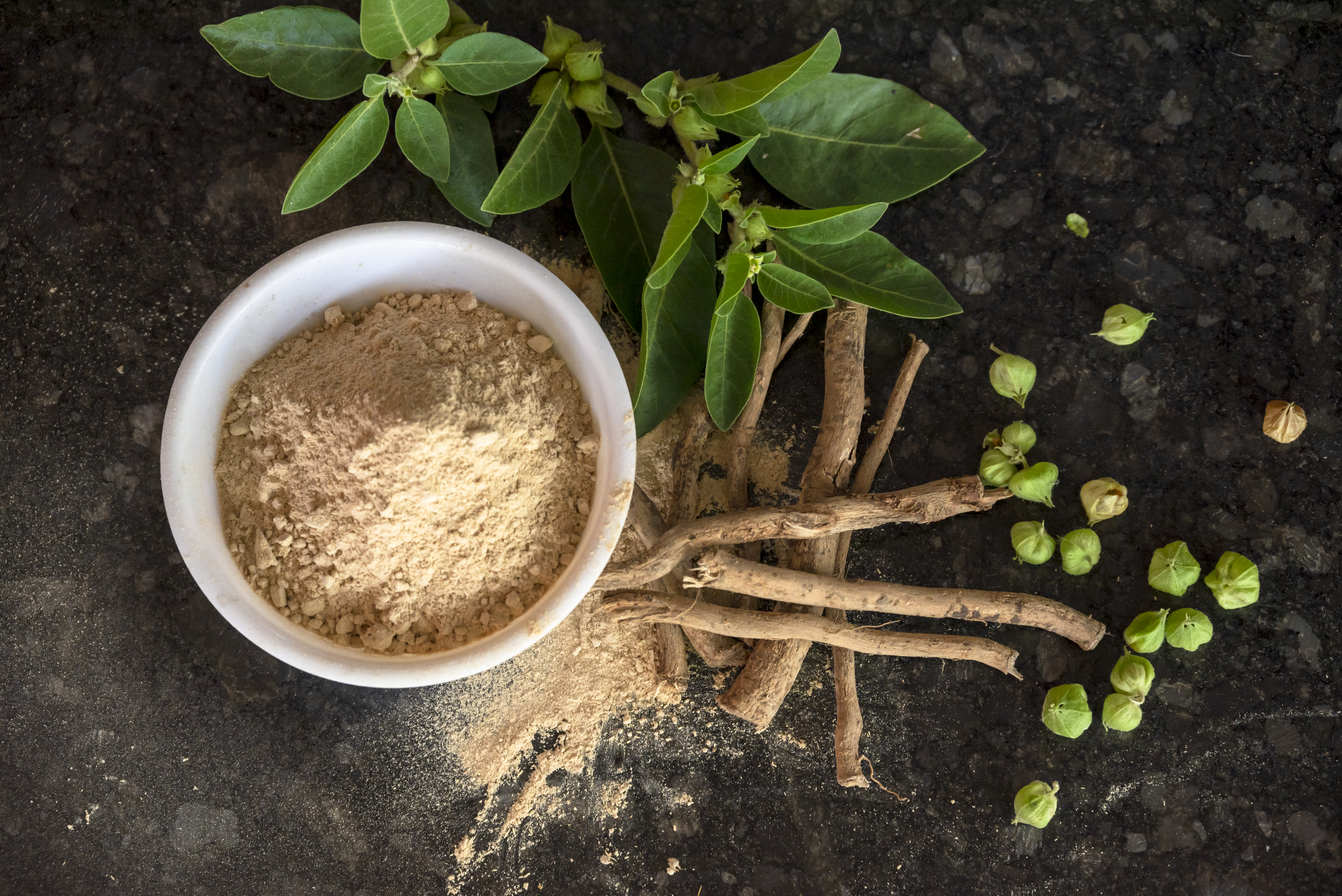
The Government of India has issued directives prohibiting the use of ashwagandha leaves in supplements and food products, restricting formulations to root-only extracts.
Why are ashwagandha leaves controversial?
Leaves are known to contain higher levels of withaferin-A, a compound that some stakeholders argue has a narrower safety margin, while others say existing research does not support safety concerns at typical usage levels.
What is the issue with the safety of ashwagandha leaf extracts?
The answer is debated. Some industry experts cite safety concerns based on compound concentration, while others point to clinical studies showing safe use in standardized root-and-leaf formulations.
Does this affect supplement regulations in the United States?
The directive, which is currently subject to an interim stay issued by The Karnataka High Court, applies within India and does not change regulations in the U.S., Canada, or Europe.
What is the bigger issue in the ashwagandha market?
Many experts say the core issue is lack of transparency in sourcing, standardization, and testing methods—not whether root or leaf is used.
What is the current status of the ashwagandha leaf ban in India?
The Karnataka High Court in India has issued an interim stay specifically to the petitioners involved in the case against the April 16 decision from the Food Safety and Standards Authority of India (FSSAI) advisory to ban the use of ashwagandha leaves or extracts that contain leaf in health supplements. A follow-up hearing is scheduled for June 8, 2026.