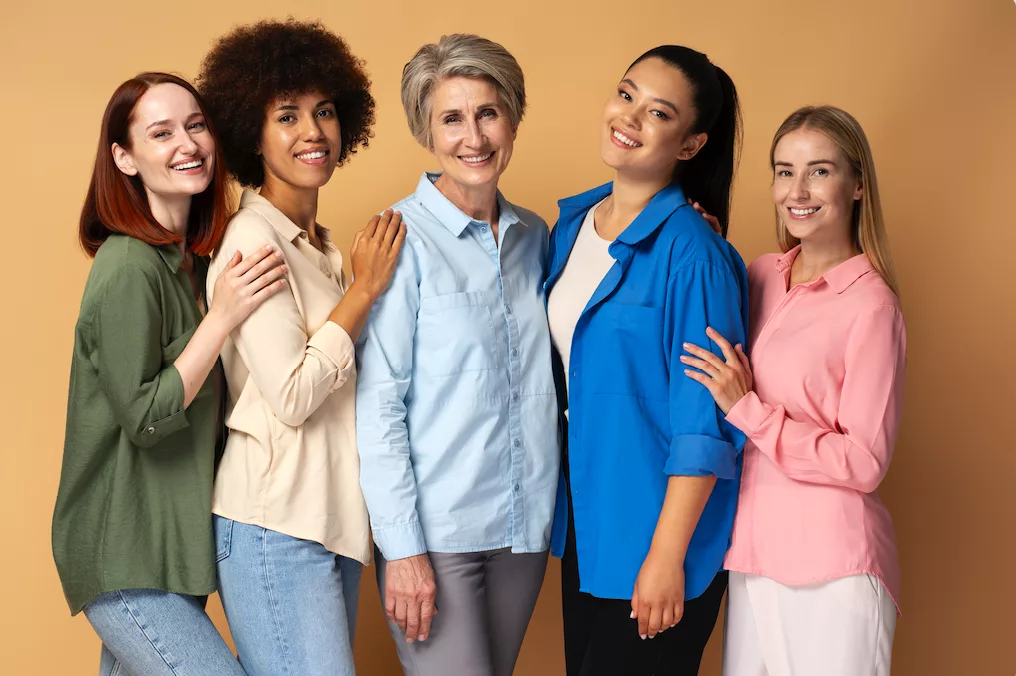
Women are stepping into the spotlight and advocating for solutions to female-specific health issues more loudly and proudly than ever. “Women have platforms that we didn’t have before—podcasts, social media, and vehicles to share our narrative and our point of view,” says Heather Howell, President & CEO, GREATER THAN. “It’s no longer Dr. Oz, a male speaking about female issues; it’s women with a megaphone! When you think about it—just look at the impact of voices like Mel Robbins, Brene Brown, and even McKinsey’s annual Women in the Workplace report—the narrative is shifting because women are shaping it.”
These conversations are broadening awareness on once-taboo issues. “What used to happen quietly between friends is now happening publicly,” says Meagan Purdy, N.D., Educator at Fairhaven Health. “Women are speaking openly about PCOS, infertility, perimenopause, burnout, and sexual health. That collective advocacy has pushed both researchers and supplement companies to prioritize female-specific data and solutions. We’re seeing a shift from ‘this is just something women deal with’ to ‘this deserves targeted support.’ That mindset shift is fueling category growth.”
There’s also a growing number of women in leadership positions in the natural health industry, shining a light on areas primed for growth. “A big part of it comes down to who’s in the room,” says Maria Stanieich, Senior Marketing Manager, Kyowa Hakko USA. “Across our industry, the glass ceiling hasn’t disappeared, but today, more women hold leadership positions than ever before. At Kyowa Hakko, that includes Karen Todd, our VP of Global Brand Marketing and registered dietician, and Danielle Citrolo, our Chief Operating Officer, who brings an extensive background in pharmacology and health sciences. When women hold those kinds of roles, it has a profound effect on which research gets prioritized and which products get developed.”
Case in point: “In 2025 alone, 24,655 articles on women’s health topics were indexed on PubMed,” says Cori Lorts, Ph.D., RDN, Senior Nutrition Scientist, Piping Rock. “As new ingredients are studied and brought to market, supplement manufacturers can formulate innovative products that meet evolving consumer demands. Research can also shed new light on the benefits of long-standing ingredients. For example, ashwagandha is well known for its role in stress support, and research has now also shown it supports menopause-related conditions.”
Such science brings targeted products to market. “2026 data shows that 65% of new launches feature ‘clean label’ claims backed by female-specific studies. This has birthed high efficacy subcategories for once-ignored issues like PCOS, perimenopause, and postpartum depletion,” says Suresh Lakshmikanthan, Ph.D., B.Pharm. “By focusing on unique pharmacokinetic differences such as how women metabolize nutrients like choline or iron differently than men, brands have replaced marketing fluff with medical-grade precision, transforming supplements into trusted tools for managing the complex nuances of female health.”
Happily, women are responding. “According to Pharmiweb, the category was valued at approximately USD $163.5 billion in 2025 and is projected to surpass USD $316 billion by 2035, reflecting sustained growth of around 7.5% annually,” says Jacqueline Rizo, Public Relations Lead, Stratum Nutrition. “What is most compelling is that this growth is not being driven by short-term trends, but by a shift in how women approach their health. Women today are placing greater focus on proactive, preventive wellness.”
To appeal to these customers, focus on targeted benefits. “Women no longer accept generic support,” says Maggie McNamara, VP of Global Marketing, Saanroo. “They want solutions that reflect what they’re truly experiencing: mood swings in perimenopause, menstrual discomfort that impacts daily life, sleep issues, changing libido, and stress that feels different in their 40s compared to their 20s. Interest is in areas like targeted support for menopause, perimenopause, and postnatal recovery. The menopause supplement segment alone saw a 14% increase in sales recently as Gen X reaches this stage.”
It goes beyond hormonal health, adds Tracey Seipel, N.D., CEO, Seipel Group. “Women have different needs overall compared to men. Women are twice as likely to have digestive problems such as Irritable Bowel Syndrome, and twice as likely to have incontinence and bladder control problems, often starting at a much younger age than men. Women also account for almost 80% of autoimmune conditions.”
There’s an opportunity for retailers to help women select quality products. “According to our Nextin Women’s Health consumer survey from October 2025, 38% of women report having their concerns dismissed or not taken seriously by a healthcare provider” says Nicole Hill, VP of Strategy and Innovation, Nextin Research by MarketPlace. “These experiences are fueling a self-guided approach in which supplements are one of the most accessible tools. Through personalized nutrition and supplement stacking, women are designing their own wellness regimens: nearly 80% of women agreed that supplements can support their health needs; a third report purchasing a women’s health supplement in the prior year.”
Trends to Watch in Women's Wellness
Multi-benefit blends: “Formulations are becoming increasingly multi-functional,” says Lauren Samot, Director of Commercial Innovation, Vitaquest International. “For example, a supplement that supports hormonal balance but also addresses blood sugar support. Perhaps it’s something that manages symptoms of menopause that also helps with brain fog and sexual health.”
Indulgent delivery: “Meltaway and chewable tablets can offer lower sugar, easy-to-consume options for those seeking a more concentrated dosage form than gummies with greater sensory appeal than capsules,” says Hill. “Women also report a strong interest in functional indulgence—confectionery-inspired formats like chocolates, caramels, and taffy-like chews. While less likely to be part of a daily regimen, functional indulgences serve as trial-friendly introductions to proactive health ingredients and routines.”
Powered-up powders: “Powder-based supplements have grown 15% over the last year, reflecting consumer preference for flexibility and stackable solutions,” says Lorts. For example, Rainbow Light has seen strong consumer demand for their Creatine + Collagen powder, which combines creatine, collagen, and taurine in a single formula to support lean muscle, cellular energy, and skin health.
Precision probiotics: “With research on the interconnectivity between the microbiome and women’s health coming to the forefront, it’s no surprise that targeted probiotics are emerging as a standout performer in the category, with 17.1% year-on-year growth in demand seen in 2025,” notes Jordi Riera, Chief Business Officer, Kaneka Probiotics.
Clean labels: “The brands earning trust are pairing clinical validation with ingredient integrity—using meaningful doses, transparent labeling, and organic, non-GMO, regenerative sourcing whenever possible,” says Brian Upton, Chief Revenue Officer, Elevate Organic, which offers Organic Regenerative Ashwagandha and Organic Shatavari featuring Regenerative Organic Certified KSM-66 Ashwagandha and Organic SRI-81 Shatavari to support hormone balance, vitality, and stress resilience.
Top Wellness Concerns for Women
Vaginal & Bladder Health
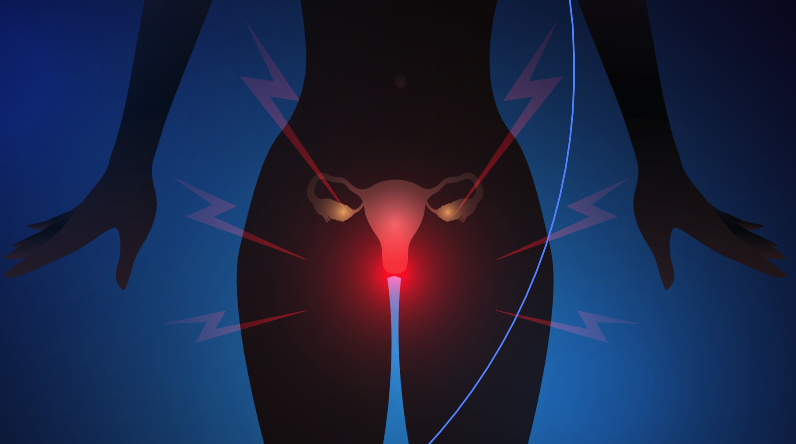 Maintaining a healthy vaginal microbiome can help protect against annoying yeast infections, says Silvia Pisoni, Global Operational Marketing Director, Gnosis by Lesaffre. “Our Quatreflora is a unique proprietary probiotic yeast clinically shown to benefit women who experience a yeast infection caused by C. albicans and offers distinctive benefits over probiotic supplements to mitigate yeast infection. Futhermore, this probiotic yeast has been shown to migrate from the intestine, surviving the stomach, and into the vagina where it can go to work to inhibit Candida overgrowth. Finally, the main advantage of using probiotic yeast is that there is no interaction during antibiotic therapy, a treatment that can lead to unbalanced vaginal microbiota.”
From Kaneka comes a unique probiotic shown to help fend off urogenital infections, says Riera. “A clinical study in healthy women aged 18 to 45 reported that L. gasseri KABP-064 was detected in the vaginal tract of 55.9% of participants following oral supplementation.”
The bladder is another organ that historically has not been well researched in women nor openly discussed, asserts Dr. Seipel. “Poor bladder control disproportionately affects women. Almost 80% women post-partum experience incontinence with almost 30% women still affected four years later. Urinary incontinence and poor bladder control is one of the top five bothersome symptoms during menopause and the main symptom that will typically worsen with age if not addressed. After mobility and cognition issues, poor bladder control is the leading cause for early admittance to nursing care and is a risk factor for UTIs, a predictor of early death in the elderly. Incontinence affects 75% the elderly.” Dr. Seipel says Urox, a proprietary blend of three herbs (cratevox, lindera, horsetail), works to support healthy brain-bladder communication and strengthen bladder muscle and connective tissue, improving bladder control in 90% of users.
PMS
Solutions for period symptoms are in high demand, and the need can span decades of a woman’s life, says Alicia Humpert, Global Marketing Director, Microbiome, ADM. “Menstrual periods for young women are arriving earlier, now averaging at 11.9 years, and only 56% of women born in the U.S. between 2000 and 2005 reported cycle regularity within two years of their first period, compared to 76.3% of women born in the 1950s. These shifts suggest a need for earlier and targeted solutions to support long-term health. We anticipate continued supplement market expansion for young women.” Humbert says ADM’s Lactobacillus gasseri CP2305 postbiotic is shown to reduce stress and anxiety, support positive moods, decrease vaginal discharge, enhance skin appearance and reduce occasional constipation in healthy young women experiencing PMS.
Palmitoylethanolamide (PEA), a fatty acid naturally produced by the body in response to injury or pain, is another option. “Emerging clinical research has evaluated PEA (branded as Levegen+) for menstrual discomfort compared to a placebo, as well as for supporting physiological stress responses,” says McNamara. “For women looking for non-NSAID options to support monthly discomfort or daily stress load, lipid-based ingredients like PEA represent a modern solution.”
Sam Park, Business Development, Cosmax NBT, adds that Rhuleave-K, a proprietary blend of turmeric, boswellia, and black sesame seed oil, is shown to provide fast menstrual pain relief.
Zak Benmerzouga, AIDP Business Director, suggests ATAMg, a patented combo of magnesium and acetyl-taurinate. “Clinical studies suggest ATAMg may help support women’s health by promoting a sense of well-being and easing occasional symptoms associated with the menstrual cycle, such as cravings, headache, fatigue, interrupted sleep, mood changes, and bloating.”
Fertility/Prenatal Care
When stocking prenatals, consider both the quality of the ingredients and the intake experience. “Expectant mothers often struggle with large, difficult-to-swallow pills and ‘pill fatigue,’ especially during periods of morning sickness,” notes Jennifer Toomey, Head of NPD North America, TopGum. “There is a huge opportunity to innovate here with enjoyable formats like gummies. For example, TopGum developed a high-dose iron gummy for pregnant women without the unpleasant metallic aftertaste and with no added sugar. We also created a dual-color prenatal gummy that packs 50mg of plant-based omega-3 DHA sourced from marine algae. In addition, it contains a range of prenatal vitamins including vitamin D, folic acid, and B12, as well as 5mg of vital iron.”
Lauren Eisen, Sr. Marketing & Business Development Manager, Minerals and Nutrients, Balchem Human Nutrition & Health, points to Albion Minerals Taste-Free Iron (Fe) as a great option for developing chewable tablets, lozenges or beverages without the unpleasant metallic aftertaste.
Folate is another critical nutrient. “Adequate intake of folate during pre-conception and pregnancy is paramount to reduce the risk of neural tube defects and support healthy fetal development,’ adds Eisen. A recent clinical study showed Optifolin+, Balchem’s choline-enriched folate (L-5-MTHF), is 2.6x more bioavailable than folic acid and absorbed in less than a third of the time.
Women preparing to conceive should consider targeted support, adds Purdy. “In fertility, oxidative stress remains one of the most underappreciated drivers of egg quality decline. Comprehensive antioxidant formulas can meaningfully support women during preconception. Our FH Pro Advanced Fertility Multivitamin for Women was designed around published research on oxidative stress and reproductive outcomes.”
 Those with PCOS may need added fertility support, Purdy notes. “In PCOS care, we now better understand the interplay between insulin resistance, mitochondrial dysfunction, and oxidative stress. While myo- and D-chiro-inositol have long been used to support insulin sensitivity, the science has evolved. PCOS is also characterized by impaired cellular energy production and increased oxidative stress. Combining inositols with targeted mitochondrial nutrients, such as PQQ, alongside antioxidant support may enhance overall metabolic and reproductive outcomes.” Fairhaven offers PQQ+ with Myo and D-Chiro Inositol.
Caronositol Fertility is another option for fertility support, says Benmerzouga. A combination of carob fruit-derived D-Chiroinositol and Myo-Inositol in a clinically researched 1:3.6 ratio for women with fertility problems associated with PCOS, he says the ingredient is effective in increasing pregnancy rate, reducing miscarriage, and resulting in live births.
Another helper, shatavari was shown in a published study on women aged 20 to 35 to help temper hormone levels, leading to improved ovarian health, improvements in hair and skin, and menstrual regularity. “In PCOS, shatavari lowers hormone levels that are too high. In perimenopause, it supports declining hormone levels,” says Eric Anderson, Managing Director, NXT USA, which offers Xeya Modern Shatavari. “Shatavari is a true hormonal adaptogen.”
And for prenatal and postnatal women, Purdy says DHA and choline remain critically under-consumed despite strong data supporting fetal brain development and maternal recovery. “Postnatal women, in particular, are often left without targeted support during a period of profound depletion. A dedicated postnatal multivitamin helps address that recovery window intentionally.”
Peri- and Menopause
 “A decade ago, perimenopause was hardly noticeable as a commercial category, but today it is recognized as one of the fastest-growing segments,” reports Komal Bodwa, CEO and Founder, Waleria Health Tech. “This transition can last several years and significantly affect quality of life before menopause is clinically diagnosed.” As Bodwa notes, research suggests hormonally driven symptoms rarely occur alone. “Instead, they tend to appear in clusters: vasomotor disturbances often come with sleep disruption, fatigue, stress sensitivity, brain fog, changes in libido, or vaginal dryness.” This has created demand for studied solutions that can address a multitude of symptoms at once.
Shatavari, known as “Queen of Herbs” in Ayurveda, can help here as well. “Aspurus, a standardized extract of shatavari, has been specifically studied in perimenopause and menopause.”
Adaptogens like ashwagandha and holy basil are gaining attention for their ability to manage cortisol and brain fog during perimenopause, adds Dr. Suresh. “Holixer, derived from holy basil, offers a specialized solution for stress and anxiety by regulating cortisol and sleep, while Ashwa.30’s precision 30-mg dose sustains energy across every life stage.”
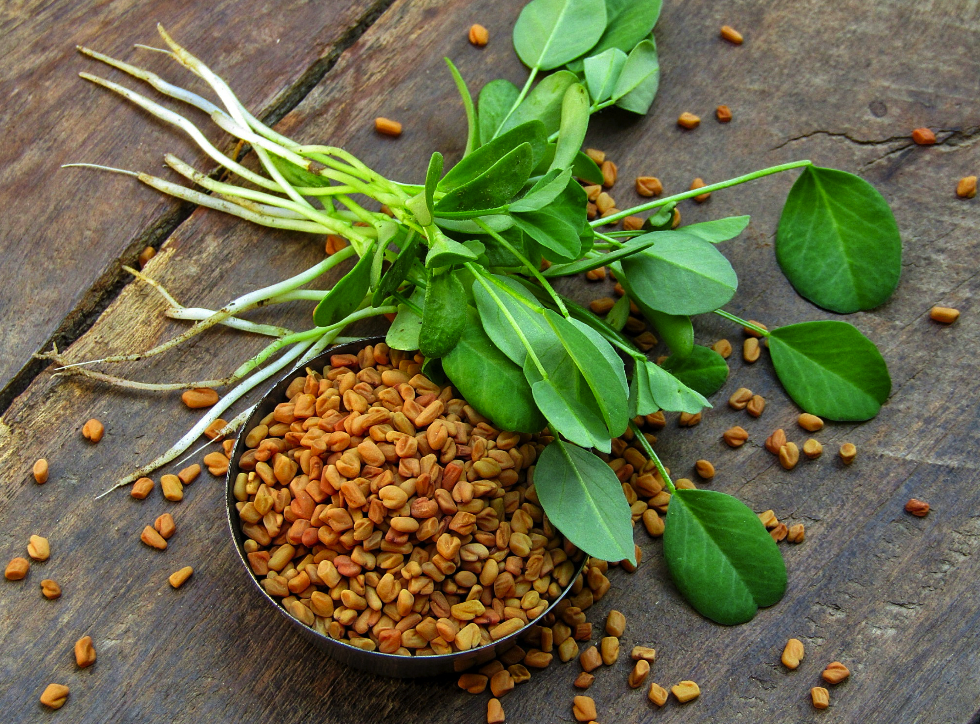
FenuSmart fenugreek seed extract is another multi-benefit hormone-balancer, says Trisha Sugarek MacDonald, Ph.D., Market Development Manager, Akay Bioactives, an Oterra company. “Studies have shown Fenusmart benefits in peri- and post-menopausal women, including improvements in vaginal dryness and favorable shifts in key hormone markers such as estradiol, free and total testosterone, progesterone, sex hormone-binding globulin, and follicle-stimulating hormone. In one study, hot flash severity was reduced by nearly 48%, and 32% of women reported no hot flashes by the end of the trial.”
Soy shouldn’t be overlooked, adds Humpert. “For instance, our Novasoy soy isoflavones may reduce the number and frequency of hot flashes in women experiencing the stages of menopause.” It also may help maintain healthy bones and support memory and mental flexibility post menopause. “Plus, a 2025 study has preliminary findings indicating a correlation between postmenopausal women who produced higher levels of S-equol (a gut-derived metabolite formed from soy isoflavones) and positive effects on under-eye skin smoothness, skin hydration and barrier function.”
Meanwhile, while the serotonin-precursor SAMe (S-adenosyl-L-methionine) known for its mood-boosting benefits, also shows potential to help to alleviate vasomotor symptoms (i.e., hot flashes) by supporting serotonin synthesis and restoring balance disrupted by reduced estrogen, says Pisoni. “As a key methyl donor in one-carbon metabolism, SAMe, such as our SAMe Adonat Premium SAMe, supports more than 100 biochemical reactions. By targeting foundational pathways, SAMe delivers benefits across mood and cognitive health, cardiovascular support, joint and bone health, and menopausal comfort—without requiring multiple single-ingredient products.”
Pycnogenol is another multitasker shown to improve menopausal symptoms including hot flushes and nightly sweating, menstrual problems, memory and concentration problems, anxiety, sleep issues, mood swings and more, says Sébastien Bornet, VP Global Sales & Marketing, Horphag Research. “Pycnogenol’s potent antioxidant and anti-inflammatory properties help manage menopausal symptoms and menstrual discomfort and its circulation benefits and ability to promote new collagen and hyaluronic acid production lend support for heart, joint and skin health.”
Targeted probiotics show promise in helping to regulate estrogen levels, adds Riera. “We designed our KABP Menopause blend to help slow the hormonal decline associated with menopause. A clinical trial in peri- and post-menopausal women found after 12 weeks of supplementation, the blend sustained estrogen levels and supported gut microbiome stability during this transitional phase.”
Rhubarb extract is an emerging ingredient in the menopause space, reports Kim Perkins, Vitamin Brand Manager, NOW. “We are working on launching a sku using a clinically tested rhubarb extract ERr 731 that will target multiple issues, including hot flashes, night sweats, nervous tension, and sleep. Stress support during menopause has also helped drive sales for ashwagandha and rhodiola, to name a few.”
Creatine is an emerging hero here as well. Con-Cret shared news of a clinical study in which peri-menopausal and menopausal women took low doses of creatine hydrochloride (HCl) for eight weeks. Creatine HCl powered up key brain regions to deliver a 280% boost in alertness, 16% better focus, an 11% increase in concentration, and a 9% drop in mood swings.
Perimenopausal hormone changes can trigger other issues not traditionally associated with the transition, such as histamine intolerance, notes Mónica Gómez Navarro, Marketing Manager, Branded Ingredients, Bioiberica. “Histamine intolerance can trigger allergy-like effects, such as itchy eyes, sneezing and nasal congestion after consuming histamine-rich foods or drinks. Around 80% of those affected are women, partly due to oestrogen fluctuations and decline during mid-life.” She says DAOgest delivers a premium diamine oxidase (DAO) enzyme to support those experiencing histamine intolerance. It has been shown to reduce the effects of histamine intolerance within one week.
Sexual Desire
“Sexual well-being is increasingly part of the broader wellness conversation,” says McNamara. “Retailers who approach this category with clinically supported options help normalize the discussion while maintaining credibility.” One such option is Libifem, Saanroo's standardized fenugreek extract, which has been studied in randomized, placebo-controlled research in healthy menstruating women experiencing low sex drive.
Liboost, a standardized damiana extract, also offers support for women’s sexual health, adds Benmerzouga. “Clinical data indicates Liboost may inhibit a cGMP-degrading enzyme, which induces vaginal smooth muscle relaxation, resulting in improved sexual response.”
Beauty-From-Within
Collagen peptides remain a staple to support collagen production, says Benmerzouga. “Naticol is our European type I marine collagen with an array of clinical research demonstrating benefits to skin hydration, firmness and elasticity. New research within this collagen line also demonstrates benefits to gut health and inflammation.” AIDP also offers Keragen-I, a vegetarian keratin that triggers the body’s own collagen-producing mechanism, targeting wrinkles, nail strength and hair follicle strength.
BioCell Collagen is another option, shown to help with skin health as well as promoting joint comfort and mobility.
Peptan is another collagen peptide ingredient, says Florencia Moreno Torres, Global Marketing Manager, Rousselot by Darling Ingredients. “Clinical studies have shown supplementation with Peptan can help improve skin elasticity and firmness while reducing wrinkle visibility. Peptan has also been shown to support bone health and joint comfort in preclinical and clinical trials, which as women age, also becomes paramount.”
The eggshell membrane ingredient OVOLUX is another natural option shown to boost collagen production, adds Rizzo. “OVOLUX supports skin elasticity, firmness, hydration, and overall skin structural integrity. Human clinical research shows that just 400 mg daily can deliver visible improvements in skin appearance in as little as six weeks.’
For hydration from the inside-out, Navarro suggests Dermial, a hyaluronic acid (HA) matrix ingredient for skin & beauty innovation. “Dermal contains HA (>60%), collagen and complementary glycosaminoglycans (GAGs). Clinical evidence shows daily supplementation with just 60 mg of Dermial produces a unique ‘glow’ effect after 12 weeks, along with improvements in skin hydration, firmness, and wrinkle reduction.”
Targeted biotics can improve skin through the gut-skin axis, reports Riera. “In a recent randomized, double-blind, placebo-controlled trial, healthy women in their 30s and 40s receiving the postbiotic L. sakei KABP-065 saw improvements in facial skin elasticity and firmness versus placebo.”
Pycnogenol is another standout. Bornet reports: “Results of a recent study showed a 29% reduction in lipedema symptoms, while the placebo group continued to worsen, a 30% reduction in leg heaviness vs placebo group and 8% reduction in body fat compared to the placebo group. The cellulite research found that oral intake of Pycnogenol reduced cellulite in women including a decreased upper thigh circumference, reduced skin roughness, and improved skin smoothness.”
Bone, Joint & Heart Health
“Bone loss and arterial stiffness often progress in parallel, particularly as estrogen levels decline with age,” says Pisoni. This puts women at a higher risk for osteoporosis and cardiovascular disease. Pisoni says MenaQ7 K2 offers support for both. “As the most clinically studied vitamin K2 (MK-7), MenaQ7 supports bone mineralization while also helping maintain arterial flexibility by activating vitamin K-dependent proteins already present in the body.”
NOW pairs K2 with vitamin D3. “K2 and D3 are considered the powerhouse pair to address bone health,” says Perkins. “We recently introduced a new Vitamin D3 & K2 Chewable due to the popularity of this combination formula.“ For the heart, she recommends omega-3s and CoQ10 and ubiquinol for women over 40 to support energy and heart health.
For bone support, AIDP offers KoAct, a patented combo of collagen and calcium clinically proven superior to traditional bone health ingredients in improving bone mineral density.
For women who want to stay strong and mobile with age, Navarro says Bioberica offers Mobilee, a HA matrix ingredient that supports joint and muscle health, and Collavant n2, a native (undenatured) type II collagen that provides targeted joint support.
Also consider NEM. Rizzo says, “NEM brand eggshell membrane collagen is backed by multiple human clinical studies demonstrating fast-acting support for joint comfort, flexibility, and cartilage health.”
Mood & Cognitive Support
Women juggle it all, and they are looking for support. “In a Nextin Research survey of women who take supplements daily, 44% said cognitive health should be included within the broader category of women’s health,” says Stanieich. “That’s why we continue to invest in research on Cognizin, our branded citicoline ingredient.” Cognizin supports production of the brain chemical acetylcholine to improve mental sharpness.
Another winner: “Human studies show a sufficient intake of omega-3 benefits several areas of health, including behavior, mood, and cognitive function, as well as heart health, bone and joint health, immune health, and maternal health, notes Merethe Thomassen, Marketing & Communications Manager, GC Rieber VivoMega. “Research has also shown that DHA maintains optimal brain cell activity.”
For a plant-based source of fatty acids, Ahiflower is a standout, says Greg Cumberford, Science and Business Development Lead, Natures Crops International. “Ahiflower is nature’s richest source of omega-3 plus GLA. It offers women a more dynamic approach, adaptively following each woman’s changing hormonal and inflammatory cycles, allowing her to form and maintain the widest spectrum of beneficial omega metabolites, naturally.”
Adaptogens are gaining traction for their ability to help women weather stress. “As an adaptogen, ashwagandha helps regulate the cortisol response and support the hypothalamic-pituitary-adrenal (HPA) axis, which plays a central role in stress resilience, mood balance, sleep quality, and cognitive performance,” says Keely Johnson, VP of Sales and Marketing, Arjuna Natural. “Research highlights Shoden ashwagandha extract’s positive impact on brain fog and cognitive performance in women.”
KSM-66 Ashwagandha is proven to ease stress and improve sleep. In a randomized, placebo-controlled study, those who took 600mg/day saw a 38.3% reduction. Learn more in From Root to Relief: Ashwagandha’s Impact on Stress.
American ginseng is a herb to note, says Doris Ip, Senior Marketing Manager, BioVivo Science. “It’s known for its balancing adaptogenic profile, supporting stress resilience, mood steadiness, and mental clarity, which can be particularly relevant during hormonal transitions and periods of fluctuating energy.”
Saffron (branded as Affron) has been studied for mood and emotional well-being, including research in perimenopausal women at 14 mg twice daily over 12 weeks, says McNamara. “Mood and sleep are often the first signals that something feels ‘off,’ especially during hormonal transitions.”
Rainbow Light offers L-Methylfolate, which combines methylfolate with saffron to support mood balance.
Weight Management
“According to a Kaiser Family Foundation poll, 12% of U.S. adults say they are currently taking a GLP-1 drug. But what happens after? We conducted a survey of these consumers last year and found 33% maintained their weight, but 31% said most of the weight came back, and 32% reverted to their prior eating habits,” says Torres. “To support these consumers, we developed a first-of-its-kind collagen peptide ingredient, Nextida GC. In preclinical and clinical studies, Nextida GC has been shown to increase GLP-1 and GIP, another primary incretin hormone that helps support the insulin response. This research has awarded Nextida GC the following structure/function claims: to help support healthy postprandial blood glucose levels and help reduce after-meal blood sugar spikes.”
For additional support, Humpert also recommends ADM’s BPL1 postbiotic and Fibersol. “Emerging and in vitro evidence suggests BPL1 postbiotic—in combination with diet and exercise—may help support visceral fat reduction, a healthy waist circumference and metabolic health pathways. Certain prebiotic dietary fibers can also support feelings of satiety, which is important for women moving through the stages of menopause. When consumed at 10g with a meal, ADM/Matsutani LLC’s Fibersol may increase appetite-regulating hormone GLP-1 as part of a normal physiological response in healthy individuals.”
Fostering Loyal Customers
Lean into community: “Education and community engagement are powerful growth drivers in women’s health,” says Lorts. “Hosting in-store seminars with brand educators on topics such as perimenopause, menopause, GLP-1 nutrition support, bone health, stress, and beauty-from-within builds trust and often leads directly to sales. Collaborating with authors or local wellness experts for talks or book signings further strengthens community connection and store traffic.”
Highlight the proof: “Female shoppers often look for clinical proof before buying supplements,” says Thomassen. “GC Rieber VivoMega addresses this by partnering with OmegaQuant, an independent CLIA-certified lab that measures Omega-3 levels (EPA and DHA) from a simple finger-prick test. Consumers can see their nutritional status, try our premium fish or vegan omega-3 supplements, and retest after 30 days to track improvements. Retailers can leverage this approach to promote women’s health and build trust through science-backed initiatives.” Posting QR codes with links to clinical studies or having study print outs available can also help showcase science in action.
Think outside the box: To maximize potential, we need to rethink where and how these products live on the shelf,” says Toomey. “For example, why are PMS-relief gummies only found in the vitamin aisle? If they were cross-merchandised near feminine hygiene products, they would reach the consumer exactly when her need is most acute. Retailers can connect more effectively by meeting women where they are already shopping for specific solutions. Whether it’s placing urinary tract support near health essentials or menopause solutions in the wellness section, these small shifts in placement change the conversation from ‘selling a vitamin’ to ‘offering a solution.’”
Make it personal. “Personalization also plays an important role,” says Rizzo. “Tools such as quizzes, guided selling, or trained staff can help women find solutions tailored to their needs. This is especially valuable as health priorities shift across life stages. Storytelling is another powerful lever. Brands that clearly communicate how their products fit into a woman’s daily routine and long-term wellness approach tend to resonate more strongly. When women feel understood and supported, they are far more likely to purchase and come back.”