The global market for grocery offerings that do not contain gluten, dairy, nuts, soy, and other common allergens has experienced significant growth over the last several years. Goods that were once considered niche items now are amongst the most researched and sought after by a consumer base that is both highly informed and willing to spend extra on the items that cater to their dietary restrictions and best align with their wellness goals. Experts offered a closer look at the free-from foods market, including the catalysts that have influenced category development, and the trends that are paving the way for future growth.
Driving Sales
Fact.mr expects the free-from foods category to reach an estimated USD $92.4 billion this year. With a CAGR of 7% over the next 10 years, the market segment is expected to grow to USD $181.3 billion by 2035.
 The free-from segment covers a wide range of commodities, including foods, beverages, and even supplements that offer soy-free, dairy-free, gluten-free, nut-free, sesame-free and more. Today’s consumers are favoring free-from products for a variety of reasons, including ethical concerns over animal welfare, concerns over the environmental impacts of food production, and allergies, intolerances, and sensitivities (such as to lactose and gluten).
Interest also is growing in low-FODMAP diets that eliminate the consumption of certain carbohydrates that can cause digestive symptoms including bloating, gas, and pain—issues commonly associated with Irritable Bowel Syndrome (IBS). As Nancy Trent, globe-trotting trend watcher and the founder and president of Trent & Company, reported after the 2025 Specialty Food Show, we are also seeing growth of “everyday low FODMAP movement.”
“The everyday Low FODMAP movement is making digestive-friendly eating more accessible, with products designed to reduce bloating, gas, and discomfort without sacrificing flavor,” Trent explains. “What was once a niche dietary solution is now entering the mainstream, with snacks, sauces, and staples tailored for sensitive guts. Trent pointed to Gourmend Foods as a sustainably sourced line of delicious, gut-friendly foods that are easily digestible in order to replace symptom-causing ingredients like onion and garlic with flavorful, unique, clean, gentle alternatives for those who suffer from food sensitivities. “These whole, clean, low FODMAP, gut-friendly cooking essentials are free of all fillers, additives and preservatives.”
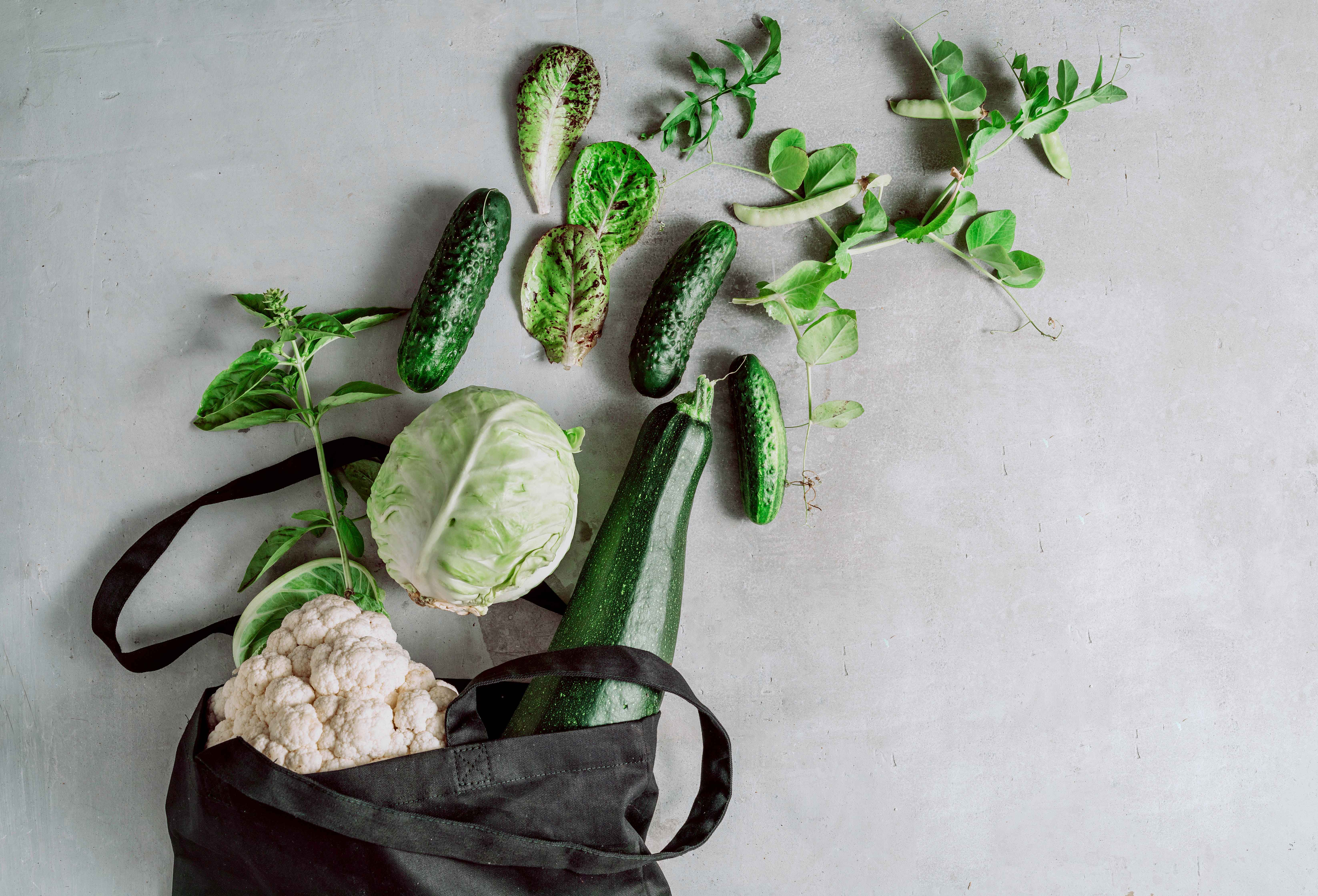 Consumers’ continued demands for clean-label items and product labeling transparency are also pushing the growth of the free-from sector. Amongst shoppers, Gen Z is flexing its purchase power and forcing brands to examine ingredient transparency and prioritize sustainability. According to a 2025 global consumer trends survey from Market Research Future, 64% of Gen Z consumers look for clean-label claims such as “natural,” “organic,” “no artificial ingredients,” and “minimally processed.”
To differentiate products, brands can collaborate with organizations like Gluten Intolerance Group, a third-party entity that verifies products are safe for individuals with specific sensitivities, as a means to establish a reputation for creating and offering products held to the highest industry standard and be able to add a distinguishable certification symbol to their packaging. (For your guide to serving the gluten-free community, don’t miss the e-book Gluten Free Living featuring consumer insights, innovation opportunities, benefits of GFCO Certification, strategies to help retailers maximize sales of gluten-free products, and more.)
The Future is Focused
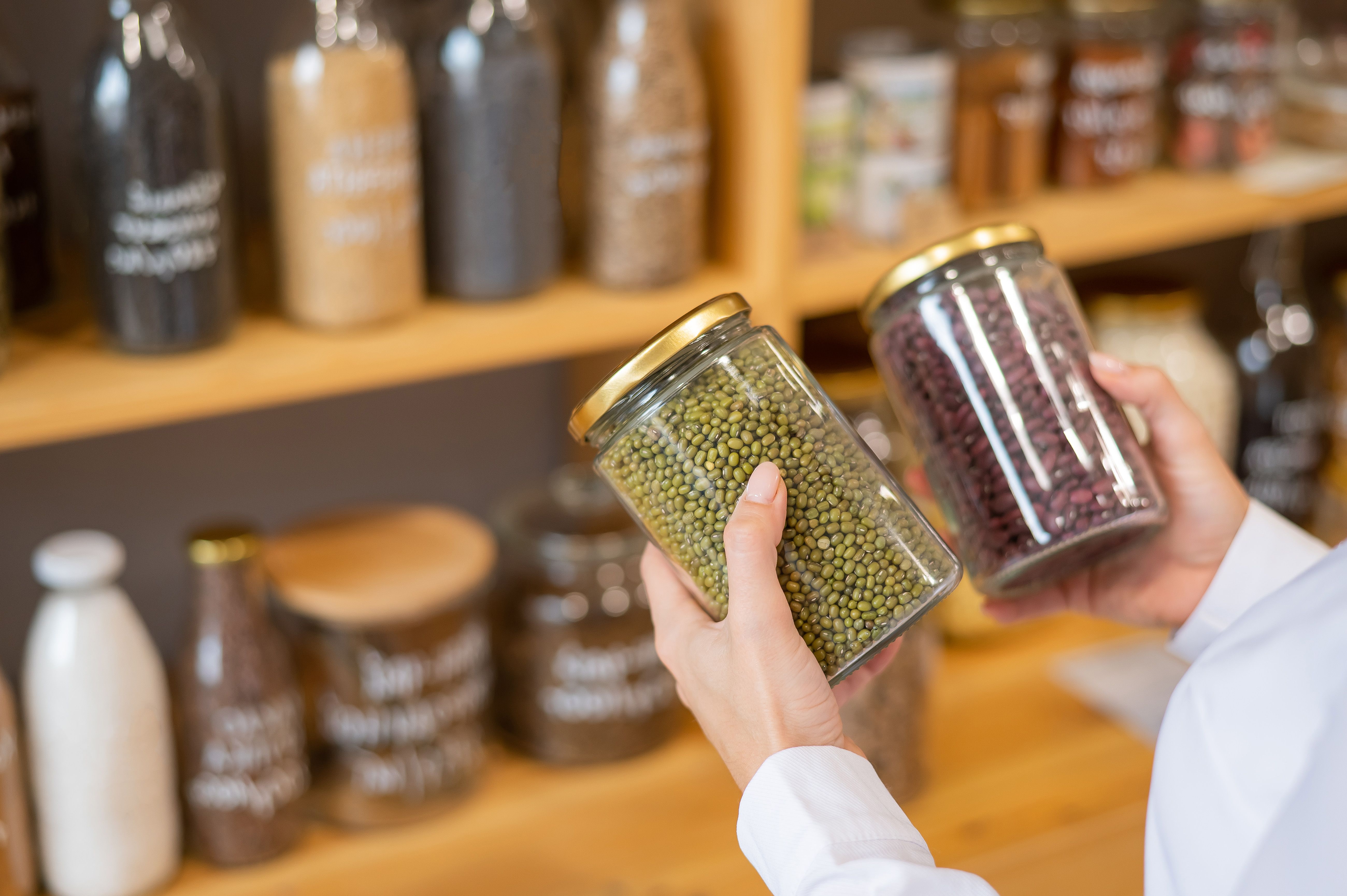 As we head into 2026, market trends suggest free-from offerings will continue to closely mimic the texture and appearance of their allergen-containing counterparts. Availability of products will continue expanding as demand from consumers following diets that emphasize healthy, clean, easy-to-make meals continues its upward trajectory.
Innova Market Insights tagged the following areas to watch in 2026:
- Clear labeling on the front-of-pack label
- Convenient and innovative products
It’s not just about eliminating offending ingredients, though. True success lies in understanding consumers’ special needs. “We’re seeing ‘free-from’ evolve from just cutting ingredients to understanding why they cause issues,” explains Ketan Vakil, Founder of Gourmend Foods. “For 2026, that means more attention on gut health and FODMAPs—not just gluten or dairy—as the next frontier in digestive wellness.” WF