Staying abreast of trending topics and key opportunity areas within the natural products industry is a vital component of bottom-line success. With the new year fast approaching, fresh opportunities will present to create and market innovative natural solutions, backed by the latest clinical studies, to address the evolving needs of customers. Opportunities are also growing for retailers to introduce shoppers to their own branded offerings, capturing more spending dollars.
Read on for an overview of the prospects experts in private label and contract manufacturing (CM) believe brands and retailers should note to get ahead in 2026.
Evolutions & Innovations
Breakthroughs in technology, such as the advancement of Artificial Intelligence (AI), have already been embraced by the contract manufacturing sector and will continue to pay dividends throughout 2026. Companies will continue saving on labor costs by moving tasks that once required significant levels of manpower towards automation that speeds the process. Experts also suggest that standards of quality will be met to a greater degree thanks to emerging technology, resulting in superior products. Plus, data used by decision makers will be sourced from a single reliable and transparent outlet, all thanks to an AI assist. The coming year will serve as another “evidence year” for emerging advanced technology, further making the case that AI is here to stay.
CM’s incorporation of the newest concepts will not stop with AI; transparency and showcasing sustainability practices to appeal to demands from consumers and brands will also continue to be an active point of focus. In 2024, we dubbed 2025 as The Year of Transparency. Part of that label came from a growing understanding of the importance of providing customers with detailed information on products, including private label items.
In 2026, being transparent with information like sourcing, manufacturing, and certifications can help brands gain a competitive edge.
Trendspotting 2026
 In additional to an underlying focus on transparency, benefit and ingredient trends abound in the natural products and dietary supplements industry, and CMs and private label specialists have their fingers on the pulse of what is new and what is next. Looking ahead, what makes sense to manufacturer and stock? “There is a trend towards targeted solutions in specialized wellness categories,” says Dr. Chioma Ikonte, Chief Science Officer, Lief Labs. Breaking things down further:
Condition-specifics. “I do see a continued and strong trend for more condition specific products,” says Paul Licata, President of Licata Enterprises. “Much of this I believe is fueled by mass media marketing, hawking not only supplements but pharmaceuticals as well for many different conditions. The only danger is overly emphasizing condition specific items, is we can lose sight of overall good nutrition. I believe the basis is a good multiple vitamin-mineral product that should be taken by everyone. Then adding specific products will work better. It is like putting STP (r) in your gas tank. First you have to have the gasoline (multiple-vitamin), then the STP (r) will give you a boost. At Licata Enterprises we have 18 different multiples to select from.”
Beyond having those basic nutrition needs attended to, Licata adds, “You should ensure that your private label supplier or contract manufacturer has several condition-specific products ready to go. At Licata Enterprises we have well over 20 such products and have added a number of new items this year.”
Evolved Sports Nutrition. Creatine is making major moves as it is being repositioned from sports performance, targeting mostly men, to being a study-backed benefit for cognitive support that is drawing the attention of women and men in and out of the gym. “Creatine supplements are beginning to shift beyond sports nutrition and into cognitive support,” Dr. Ikonte explains.
Another trend that has been percolating within the sports nutrition space: Experts say there is a shift in focus to plant-based proteins and alternative protein sources such as hemp-based proteins.
And making the jump to the sports nutrition space, experts from The Vitamin Shoppe recently reported that peptides, usually associated with beauty and skincare, are emerging as the next big thing in sports nutrition, due to the unique ways they support performance, recovery, and overall muscle health. Searches for peptides are up 550% on vitaminshoppe.com this year.
Weight management. This sector is also growing with a shift to non-drug alternatives to GLP-1 agonists, Dr. Ikonte notes. Those who are taking the medications are also looking for support in the form of nutritional supplements that help ward off side effects. Take a deeper dive in Weighing the GLP-1 Effect on Weight Management.
Mushroom-Powered Functional Foods: Health enthusiasts want more benefits out of the products they consume. Products infused with medicinal mushrooms including lion’s mane, reishi, codyceps, and others that offer multi-benefit solutions while addressing several areas of concerns, are seeing high levels of interest from consumers. Check out Unlocking the Hidden Potential of Mushrooms for several science-backed standouts.
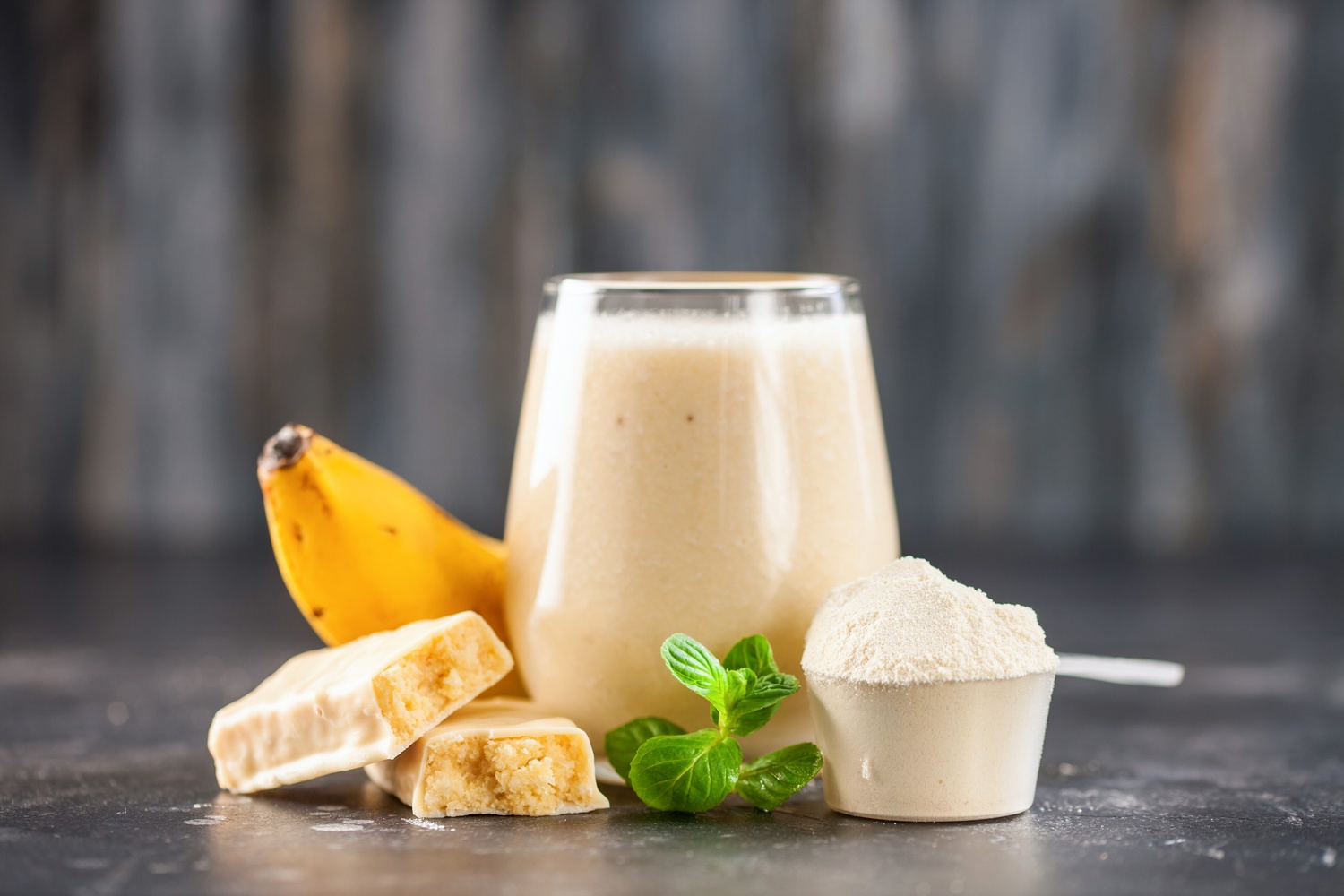 Health-Boosting Sips & Snacks: We’ve been keeping a close watch on the functional beverage trend for several years. Since the height of the global pandemic, consumers’ views of wellbeing have transformed from a casual thought to a top priority. This modification has been reflected in the growth of the functional drinks market size; estimated at USD $149.75 billion in 2024, there is an expected growth at a CAGR of 8.9% from 2025 to 2030. Going beyond beverage, the global functional food market is expected to reach a value of $586 billion by 2030.
“Over the past 10 years we have seen snacks and drinks evolve from high caffeine, high sugar into more functional options—think natural energy sources, hydration, high-protein formats, and better-for-your indulgences with targeted health benefits,” explained Denis Neville, CEO, CoreFX, for Flavor + Function = A Sales Win! “In 2025 that evolution continues with even greater sophistication with multi-functional benefits delivered through unique formats that support a wide variety of health benefits such as gut health, brain health, active nutrition, immune health, and so many more, all while offering great taste.”
Adaptogens: Supplements featuring adaptogens—specific plants, herbs, and mushrooms that can help manage stress and maintain an overall feeling of balance, are the products flying off the shelves.
Probiotics: In the August issue of WholeFoods Magazine, we discussed the ‘Biotics Trends that will drive demands in the new year. Udi Alroy, CEO and Co-founder, Carobway, examined how consumer awareness of prebiotics has grown, and is making a difference in their shopping habits. “Prebiotic-labeled products are almost outpacing probiotics in sales for the first time. Unlike live cultures, prebiotics are shelf-stable, easier to formulate, and backed by science linking them to immune health, weight management, mood, and metabolic wellness.”
Women’s health: More companies are finally addressing issues affecting female consumers. Supplement solutions for menopause, fertility, vaginal health, and more are all on the rise with growth expected to continue into 2026. (In case you missed it, check out our special digital publication focused on this space: Mastering the Women's Wellness Market.)
Facing Challenges
Very few pathways to success come without a few bumps along the road. A few of the areas of concern that experts suggest keeping an eye out for in 2026 include:
Differentiation: With so much industry growth comes the introduction of new companies looking to grab a piece of pie. A quality contract manufacturing partner will understand what brands need to set themselves apart.
“They look for someone who understands innovation and the ability to partner with the brand to deliver uniqueness and differentiation,” says Dr. Chioma Ikonte, Chief Science Officer, Lief Labs. A quality contract manufacturer, he adds, has strong expertise in flavor chemistry and expertise on how to use flavors and natural sweeteners to optimize the consumer experience, as well as breadth and depth of technical expertise in ingredient compatibility to drive synergies in formulation. (For a deeper dive into the latest in clean-label flavors, functional sweeteners, and natural colors, see our report on page 34 of this issue.)
Inflation: The state of the economy determines how much or how little consumers are willing to spend on goods. It’s important to be able to navigate economic conditions and understand how it relates to the products customers may or may not be grabbing. Private label products are in a unique position in that they can offer consumers a high value, economically friendly option when their budgets call for them to be a bit more frugal at the grocery and natural products store.
 Rising costs: Similar to inflation, rising costs for businesses are a constant challenge. Tariffs, wages, and supply chain volatility can all lead to increased expenses and impact the costs associated with manufacturing products. Part of the appeal of private label products is their affordability, so its important to monitor costs and try to offset any price increases as best as possible.
Spotlight on Private Label
What could be better than one record year? Two record years! 2024 was dubbed the year of Private Label Sales Dominance. Private label sales grew $9 billion, 3.9%, in dollar sales across all outlets compared to 2023 and posted a record setting $271 billion in store brand sales.
 According to the Private Label Manufacturers Association (PLMA), the private label market was expected to reach $277 billion in sales in 2025. That is a 4.4% increase in private label dollar sales for the first half of the year. PLMA President Peggy Davies spoke on the significant opportunities that still remain within the unprecedented growing segment: “The quality, value and innovation that store brands provide can’t be beat.”
As Licata has told WholeFoods Magazine readers, offering quality private-label at a lower price point can appeal to budget-conscious customers and help you grow a more loyal customer base. “When you invest in private label, your customers recognize that you are not just another store or Amazon selling anything to make money. You are selecting particular items that you believe in and invest in so your customer can save money. Your private label should be a focus point for your employees as well. They should be the first products they show customers. Your excitement will translate into your customers and your sales as well.”
To carry the private label growth momentum into 2026 and beyond, experts say product lines should focus on:
Authenticity: Consumers in every market segment want to know all of the details behind the products they are opting for. They want to know which ingredients were used, where they were sourced, and how their bodies are affected by its consumption. Maintaining clear messaging on product labeling and branding will ensure consumers connect with the items they are reaching for.
An AI Assist: An example of AI’s efficiency can be seen in its utilization for product development, label design, and market trend analysis to assist with the launching of new products. Using algorithms to understand purchase history, browsing preferences, and current interests can help products align with the messaging that resonates most with the target demo.
Moving Beyond Basic: Private label store brands were once viewed as the lower-quality product option on shelves. In today’s market, with cost of living expenses eating away at consumer’s budgets, private label products can offer shoppers innovative, high-quality, reliable goods at the competitive prices they seek.
Sustainability: Reducing the environmental and social impact of products will also continue to resonate with consumers in ‘26. That is especially true for the Gen Z demographic. These younger shoppers are not only more price-conscious, but also more open to selecting private label items. These shoppers are focused on seeking out goods with value and ethical sourcing, yet they are also willing to pay more for eco-friendly products, according to research collected by Circana.
Certification: Meeting the standards of quality third-party certification service providers signals to customers that the products they purchase can be trusted. Prominent certification seals will also convey a message of commitment to responsible practices by the brand.
Finding Your Perfect Partner
For brands considering working with a CM and retailers looking into private label, read more advice and recommendations from Lief Labs and Licata Enterprises. WF