Scott Mazza is the cofounder ofVitality CBDandCertified Headies. Hailing from a finance background, Scott is well-versed in the benefits of hemp and is passionate about providing people with a natural alternative to pharmaceuticals.
Evidence-Based Wellness: CBD’s Therapeutic Promise Needs Production Standards to Match
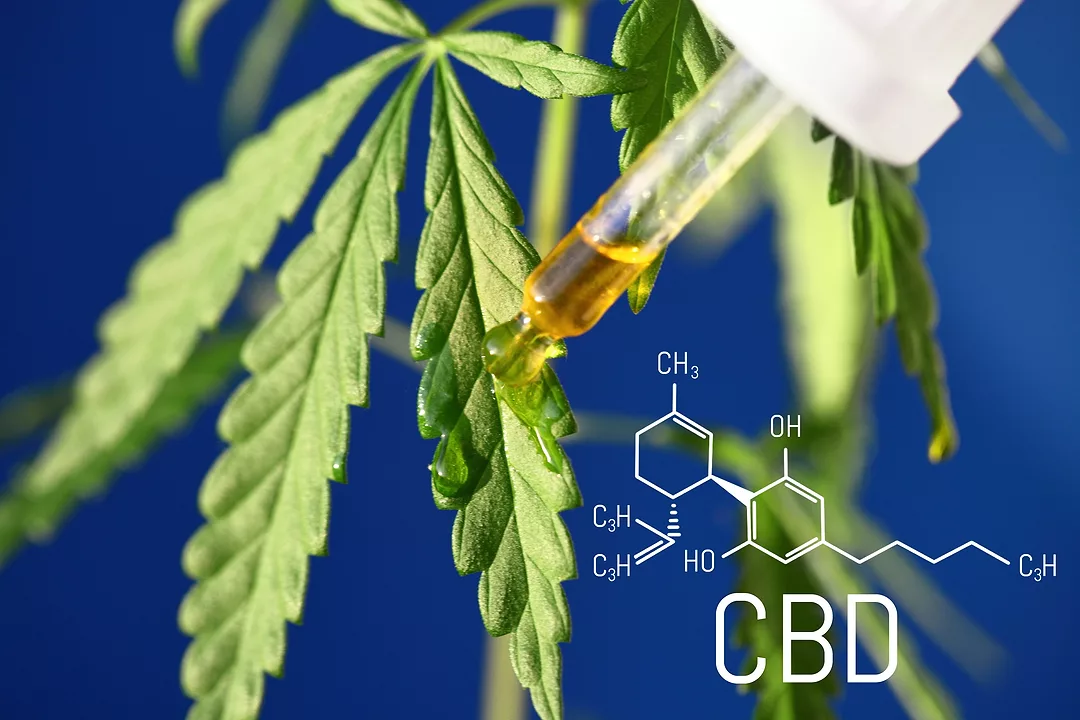
The anecdotal is slowly but surely evolving into the evidential in cannabidiol (CBD). Since 2018’s Farm Bill opened the hemp-derived cannabinoid floodgates, researchers have validated many of the cannabis plant’s therapeutic applications in controlled lab settings. From anxiety to inflammation, peer-reviewed results show CBD can provide treatment comparable to established compounds like melatonin for sleep or morphine for pain.
We’re on the cusp of evidence-based wellness and science-backed cannabinoid application. The problem? Medicine, rightly so, expects the highest standards and our industry just isn’t there yet. This remains a cowboy market where nearly 60% of products don’t match their labeled CBD content, according to a 2022 study, and some products carry dangerous contaminants like heavy metals and pesticides. These are foundational quality controls that our industry still fails to meet, which ultimately stops decision-makers from taking us seriously.
If the goal is to leverage cannabinoids for targeted outcomes, as the science increasingly indicates, product confidence and established production norms can no longer be “nice to have.” With regulatory discussions ongoing in the second half of this year, let’s examine how lawmakers and producers can usher in a new era of evidence-based wellness through meaningful compliance standards rather than outright bans.
Better yet, CBD is a widely accessible and tolerable compound. It doesn’t require a prescription or produce a high. Rather, it’s available in various forms that easily integrate into daily routines. Importantly, professional health bodies generally consider the compound safe, with the most common side effects including fatigue and dry mouth. This safety profile, combined with emerging therapeutic evidence, positions CBD as a valuable wellness tool – but only if product quality can match the promise.
That’s the sticking point since potential therapeutic treatments for such widespread and debilitating conditions require therapeutic production free from contaminants. When products don’t deliver consistent, clean results, we undermine the very science that supports CBD’s legitimacy. And this has been a consistent issue for our industry. Poor producers with poor practices – like using harsh chemical solvents without proper purification, skipping batch testing entirely, or sourcing hemp from farms with no pesticide controls – get to market thanks to a lack of regulation, compliance, and oversight.
This is how we support the science
Despite these quality challenges, the underlying science remains compelling and continues to strengthen. Cannabis has been a tried-and-true method for pain relief and relaxation for millennia and now we have peer-reviewed research showing how the plant interacts with our bodies in measurably positive ways. The industry status quo certainly needs improvement but this isn’t the time for blanket bans. Instead, we should embrace this scientific opportunity and work with lawmakers to find a healthy middle ground in terms of production standards and consumer protections.
I’ll be honest, though, lawmakers aren’t making it easy. More than 30 states have moved to restrict hemp-derived cannabinoids, particularly those with psychedelic properties, with some like California enacting emergency regulations that ban 95% of hemp products. Rather than addressing quality concerns through standards, the instinct of many regulators is to put the genie back in the bottle.
This approach ignores both scientific evidence and public sentiment. My hope is that lawmakers can respect the research and come to the table in good faith. It would also behoove them to recognize the social surge in favor of this issue. One-third of Americans have tried CBD and pollsters are seeing record numbers of people across the political spectrum favoring cannabis legalization generally. This is no longer some fringe issue but common ground across the aisle.
The key is nuanced regulation. Not all hemp-derived cannabinoids are created equal and lawmakers must distinguish between psychoactive compounds that may warrant stricter controls and non-psychoactive wellness products like CBD that need quality standards, not prohibition. This is why we should look toward the impending renegotiation of the Farm Bill with an eye on supporting evidence-based wellness with quality products that consumers trust.
Working with regulators and not against them
Regulation doesn’t need to be a bad thing in this space. When designed with consumer confidence and safety as top priorities, lawmakers can collaborate with industry to weed out bad actors. For instance, the government could establish mandatory production baselines with zero tolerance for contaminants above FDA limits, require certificates of analysis for every batch, and implement Good Manufacturing Practices (GMP) standards. Such compliance measures could also include federal funding for independent teams to verify that potency matches label claims before hitting the shelf.
Another avenue is a federal certification program for CBD. Like “USDA Certified Organic” or “USP Verified” for supplements, a similar program for cannabinoids could assure consumers that products meet established baselines and follow agreed-upon best practices. Lawmakers could further incentivize quality through tax breaks for certified companies, grant funding to help small producers afford proper testing, and reduced insurance rates for compliant manufacturers.
A federal seal of approval gives informed consumers a trusted benchmark while raising industry standards across the board. Combined with public education campaigns about product red flags, this approach could transform CBD from a buyer-beware market into a legitimate wellness category that healthcare providers feel confident recommending.
The discussions currently underway are our best opportunity to strike a balance between regulation and research, leading to a better and safer market. By embracing quality standards rather than fighting regulation (or worse), we can transform CBD from a controversial supplement into a trusted wellness tool that healthcare providers recommend and consumers rely on.
The science is there. The public support is there. Now we need the industry leadership and regulatory wisdom to make it happen.


 RSS
RSS