RSS
RSS
Sweets, Snacks, and the New Better-for-You Mood
July 3, 2026

Today’s consumers are navigating more than just busy schedules; they’re coping with unfathomed mental and emotional burdens.
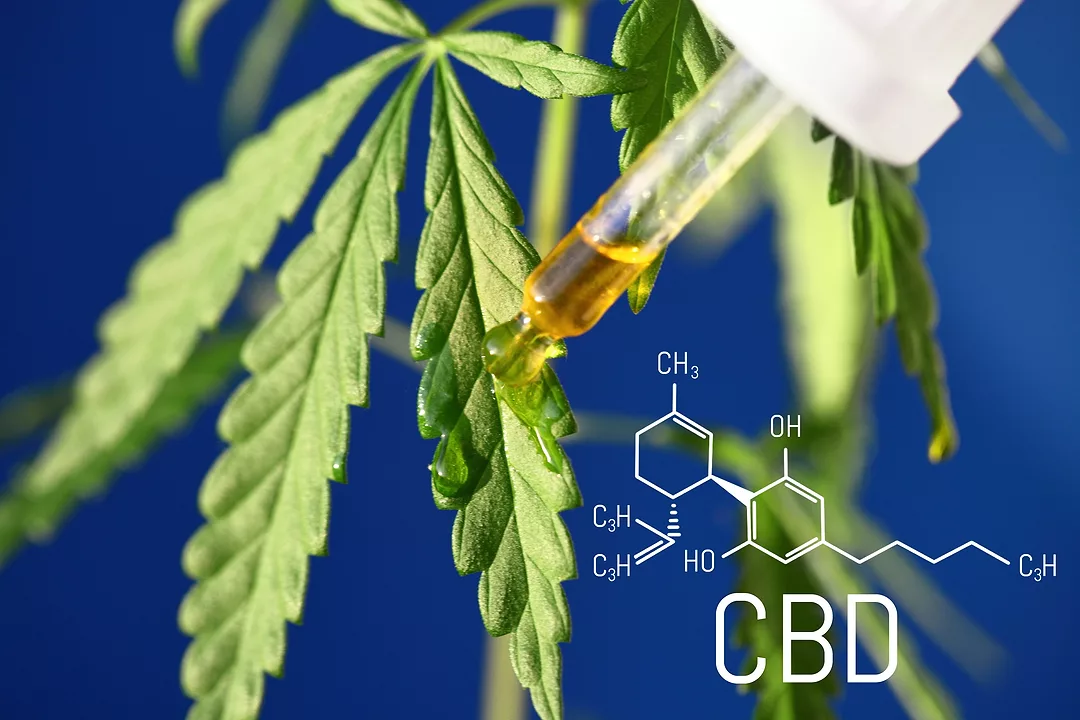
More than ever, stress management is critical for consumers. According to the American Psychological Association, 75% of Americans reported a physical or mental stress-related symptom the previous month. While traditional remedies like meditation and exercise remain vital, many are turning to cannabidiol (CBD) for its calming, non-psychoactive effects. But what does science actually say?
CBD is a naturally-occurring compound derived from hemp that has been favorably studied as a tool for stress support. A 2023 clinical trial found that adults who took 100 mg of CBD daily experienced notable reductions in tension, irritability, and emotional volatility over a 60-day period.
CBD works primarily through the endocannabinoid system (ECS), a complex network of receptors that help regulate sleep, mood, immunity, and stress. Think of the ECS as your body’s thermostat for stress. When overwhelmed, the ECS helps to support positive emotional regulation by boosting serotonin (the “feel-good” chemical), reducing stress, and enhancing GABA (the brain’s stress brake). While it won’t completely eliminate stress, CBD may help the body cope more effectively with it.
CBD’s anti-inflammatory properties further contribute to its ability to modulate stress. Feeling the effects of stress over long periods of time can promote inflammation which may contribute to more intense feelings of worry, fatigue, and disrupt sleep. Targeting inflammation at the source, CBD can help promote a more adaptive response to stress.
The appeal of CBD lies in its accessibility for everyday consumption. It doesn’t require a prescription, doesn’t produce a high, and is available in a variety of forms that can be integrated into any daily routine.
We studied the safety and benefits of our proprietary, broad spectrum blend. Our data supports the casual consumer starting with around 50 to 100 mg daily and increasing up to 1 mg/pound of body weight based on their preference and overall health. Regardless, we always recommend that consumers speak with a healthcare professional before adding a new supplement to make sure it is right for them.
The World Health Organization has identified CBD as generally safe. The most common side effects include fatigue and dry mouth. However, it’s important to note that CBD quality can vary widely; therefore, it’s essential to only use third-party tested products (like cbdMD’s) for purity and potency.
It’s worth noting that CBD may not be safe if you’re on prescription medication, blood thinners, and are pregnant or breastfeeding. It’s always a good idea to speak to a healthcare professional before adding a new supplement to your daily regimen. By guiding customers toward high-quality, tested products and helping them understand proper usage, natural retailers can play a pivotal role in empowering safe and effective use of CBD.
While CBD may not be a silver bullet, it offers a promising solution to managing everyday stress. Rather than a quick fix, CBD should be viewed as a powerful tool when paired with others known to support mental health such as exercise, a healthy diet, and proper sleep.
CBD’s plant-based, non-psychoactive properties make it an appealing option for those seeking a natural alternative for their health and wellness needs. As research and regulatory frameworks evolve, the CBD market is certain to grow as consumers, practitioners, and retailers navigate the future of wellness.