RSS
RSS
Vote Now! 2026 Ingredient Choice Awards
July 22, 2026

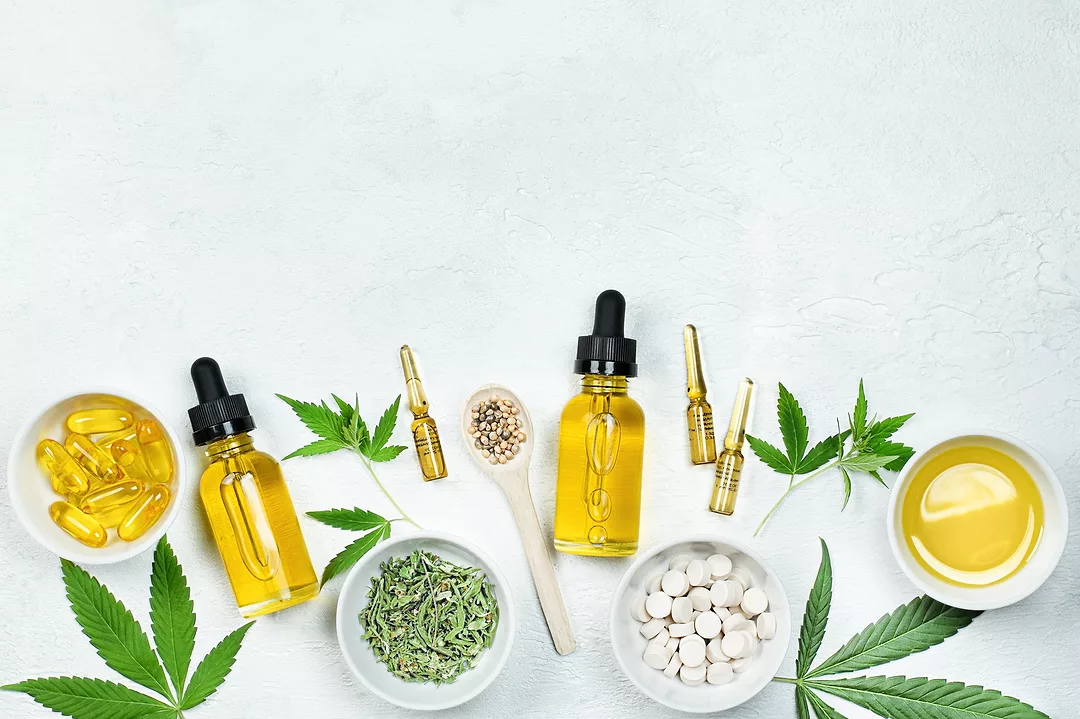
CBD is in transition. The hemp-derived compound is slowly but surely moving from a novelty product with short-term appeal to a mainstream medical and wellness tool with targeted applications. Consumption patterns are shifting and the market is maturing. But, unclear regulations have industry insiders worried that this progress could be undone at the stroke of a pen.
This year, after two delays and plenty of uncertainty, the Farm Bill will be debated and updated, along with the rules governing the legality of hemp-derived cannabinoids. A lot is riding on this decision, yet stakeholders across the supply chain remain in the dark. Let’s look at what’s in store.
Changing or updating the Farm Bill is synonymous with changing or updating CBD. This is because the Farm Bill 2018 ruled that hemp containing less than 0.3% THC would be federally legal and removed from the controlled substances list. In effect, this legalized CBD derived from hemp plants along with a host of other minor cannabinoids. Perhaps you remember this happening at the time—CBD was suddenly available at gas stations, convenience stores, and wellness shops.
Since then, the legislation has been in limbo. Debating a new version of the Farm Bill—which is comprehensive “omnibus” legislation covering everything from agricultural subsidies to food assistance programs every five years—hit a stalemate in 2023. Despite receiving a one-year extension, it expired again during last year’s presidential election campaign and received another extension until the end of this year.
Changes are yet to be made to the hemp ruling, but this isn’t for lack of trying. Today, more than 20 states have sought to restrict another cannabinoid, Delta-8 THC, claiming a loophole in the legislation brought about its federal legality. Many lawmakers, particularly Republicans, feel “duped” that operators across the country applied “creative interpretations” to claim legal protections for intoxicating cannabinoids they never intended to legalize with hemp. Other cannabinoids like THCA—which drops the ‘A’ when smoked or vaped and transforms into THC—are similarly in regulator crosshairs.
Likewise, opening the product floodgates left little quality control or compliance assurance, resulting in cowboy operators and subpar products in the CBD industry. In these early years, we’ve seen horror stories of some producers not testing their products, using harmful chemicals and pesticides, and not delivering the potency as stated on the label. Clearly, there’s a lot for industry and regulators to discuss over the next eight months.
The most likely big change regards the THC standard. Last year, before the extension, the Senate Democratic version of Farm Bill 2024 signaled what might be coming: a total THC standard of 0.3%. This goes beyond the current ruling that solely pertains to delta-9 THC and would make delta-8 THC or THCA products illegal if they exceed that total THC threshold. While CBD and delta-8 products under 0.3% total THC would stay legal, it’s hardly reassuring for business owners and operational continuity.
States are also increasingly stepping up in the absence of federal oversight, creating a patchwork of regulations that make interstate commerce challenging for even the most compliant businesses. As reported last year by WholeFoods Magazine, California enacted emergency regulations to ban 95% of hemp products on the marketplace, including manufacturing or selling them in the state. This regulatory fragmentation threatens not just questionable products, but also legitimate CBD companies producing evidence-backed wellness solutions. The Farm Bill 2025 is a good opportunity to create federal consistency.
It’s worth noting that, despite these challenges, there’s encouraging progress worth protecting in CBD. While the Food and Drug Administration (FDA) continues its cautious evaluation, third-party research increasingly supports CBD’s favorable safety profile when properly manufactured. Additionally, major retailers and select natural foods chains have developed their own rigorous standards for the CBD products they stock, effectively creating de facto industry benchmarks that responsible manufacturers are meeting or beating. We should look forward to production best practices becoming the legislation-backed standard.
There’s no question that producers need better testing guidelines and quality controls. But, whether state or federal, the way to get there isn’t product bans. Instead, I agree with the US Hemp Roundtable that we need solid regulations. This will only happen when we achieve constructive dialogue between the hemp industry and policymakers.
The distinction between intoxicating and non-intoxicating hemp derivatives must be established with appropriate regulatory frameworks for each category focused on adult-use, safety standards, and responsible access. A one-size-fits-all approach risks undermining legitimate businesses across both sectors.
One thing in the industry’s favor? CBD, specifically, is evolving from novelty gimmick to full-fledged wellness tool. Producers using organic hemp and testing independently create effective products that address various ailments. At the same time, this is supported by more research and science, backing up the fact that CBD isn’t for recreational use. It’s for wellness—pure and simple—with recent studies validating what many users have long reported. For example, CBD is effective in managing anxiety without the cognitive impairment associated with THC. We’ve also seen promising research into CBD’s role in pain management and its potential to help with menopause symptoms.
All signs point to a more mature market and let’s hope lawmakers take this opportunity to legislate respectfully. On the eve of the Farm Bill 2025, it’s essential to strengthen this burgeoning market with clear production guidelines, improved consumer protections, and appropriate regulatory frameworks that distinguish between intoxicating and non-intoxicating hemp derivatives. This is how we not only ensure our industry’s improving reputation, but also finally bring the scientifically validated benefits of CBD to mainstream consumers, potentially improving the health and wellness of millions in a safe, regulated marketplace.