RSS
RSS
Quicklinks
WholeFoods Magazine

Does the GMO Labeling Win Signal the End of Obfuscation?
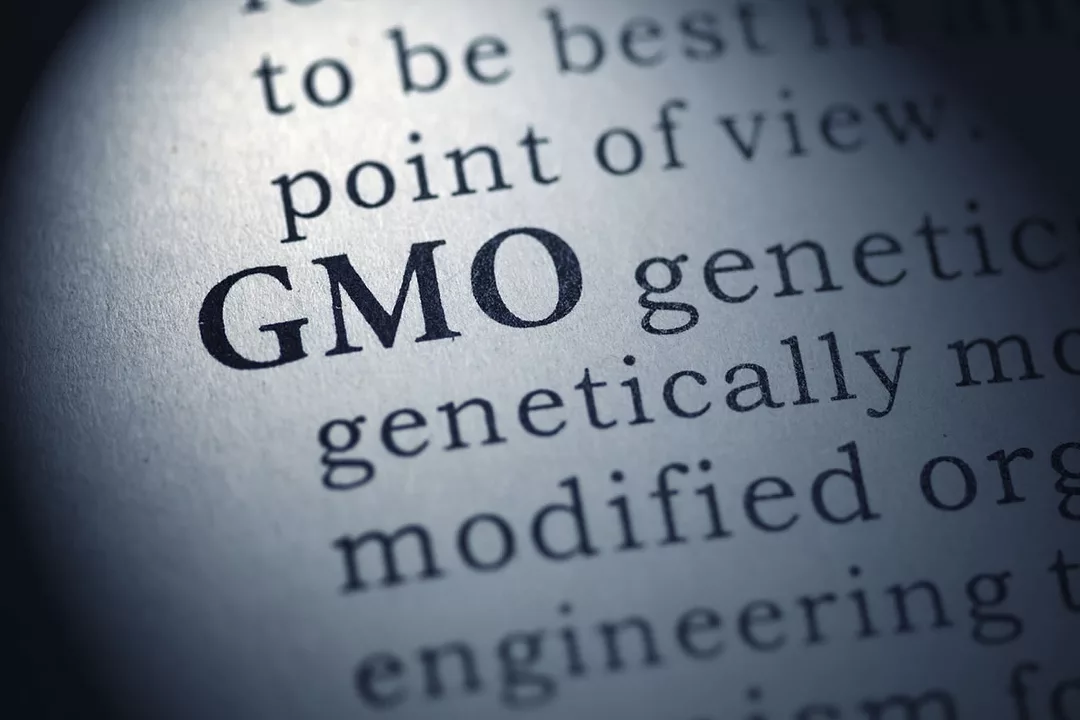
The recent federal court ruling on the legality of the 2018 GMO labeling laws confirmed the obvious: a checkerboard square that shoppers can’t read is not an adequate GMO disclosure. That was the small but significant win for Natural Grocers and other plaintiffs resulting from the lawsuit filed by the Center for Food Safety in 2019.
The rest of the ruling simply restated what the biotech juggernaut has spent hundreds of millions of dollars lobbying Congress and regulators for since the 1970s: the Right to Obfuscate. In sum, they don’t want shoppers to be able to know if the packaged food on the shelf in front of them was created with fracked natural gas, synthetic nitrogen fertilizer, toxic persistent pesticides, and proprietary genetics that has resulted in the decline of rural economic vitality, opportunity, and justice.
Environmental, Social and Governance (ESG) reporting has been a thing for decades, but it’s been used mostly to greenwash corporate misdeeds and greed. Alongside the obligatory financial reporting sits fancy pictorial spreads of company employees doing community service, while the toxic ingredients in over-processed food doesn’t merit a footnote. All that is about to change.
Remember that only after the disastrous economic depression beginning with the stock market crash of October 1929, did industry, investment banks, and the government put in place legally binding financial reporting requirements that complied with newly standardized accounting principles. If you have investors or are seeking them, it’s these original SEC rules that tell you exactly what you must disclose and how to disclose it. Liars can get sued by shareholders and customers, and not a few have ended in jail.
Now, nearly 100 years later, the same requirements are being implemented for ESG reporting. Every industry now has an extremely detailed set of mandatory metrics, measurements, and reporting requirements. Every company has to build a publicly available transparent strategy for improving its overall ESG score, and provide the metrics and measurements to back it up. With every complete, truthful, and non-misleading financial filing, every company has to also provide a complete, truthful, and non-misleading ESG filing. This is why the global food companies are ignoring the GMO labeling issue—it’s been overtaken by mandatory ESG reporting whose complexity and completeness make their “QR Smart Label” dodge look silly and irrelevant.
Consider Big Food touting its million acres of GMO sugar beets as “regenerative” only because of a switch to no-till cropping practices. That sounded good, right? Under ESG mandates, the use of anhydrous ammonia nitrogen fertilizer made from fracked natural gas—causing a huge carbon release—now has to be disclosed. As does the repeated of application of herbicides and insecticides each season, with measurements of insect and wildlife populations and of chemical seepage into waterways. Moreover, the depth of topsoil and the amount of soil carbon gained—or lost—over time will ultimately roll up into an ESG climate score. In the case of GMO sugar beets, Big Food will likely have to retract its regenerative claims or face government fines and class action lawsuits.
Or, consider the bevvy of synthetic protein companies that are almost all dependent on cheap sources of GMO sugar to fuel their precision fermentation, and they must dispose of their biohazard waste once the target proteins are extracted. There will be so many negative ESG factors in their reporting that it’s hard to imagine any investor feeling confident about their long-term financial outlook.
ESG is why the Big Food and Big Biotech minor wins in the GMO labeling lawsuit are nevertheless the end of the era of obfuscation. Like the mandatory Risk Factor Disclosures in a financial investment prospectus, savvy investors are now demanding transparency around practices that will affect a company’s long-term prospects for growth and profitability. Dodging ESG disclosures and greenwashing destructive practices is no longer a viable strategy for public companies reporting quarterly to the SEC or any company seeking funding. Investors are focused on long-term viability and will no longer build portfolios only on short-term profits bought at the price of the planet’s health. Regulators will match claims to practices. Consumers will finally get the knowledge they deserve to make better choices.
This is great news for the natural products industry, and especially for start-ups that can build ESG reporting mandates into the fabric of their supply chain and reporting systems. Companies that can provide audited and compliant ESG strategies and related reporting will likely be valued 20% higher than their lagging competitors. The investment community already recognizes that ESG-compliant companies have revenues 20% higher on average than comparable companies with no strategy.
The rest of the ruling simply restated what the biotech juggernaut has spent hundreds of millions of dollars lobbying Congress and regulators for since the 1970s: the Right to Obfuscate. In sum, they don’t want shoppers to be able to know if the packaged food on the shelf in front of them was created with fracked natural gas, synthetic nitrogen fertilizer, toxic persistent pesticides, and proprietary genetics that has resulted in the decline of rural economic vitality, opportunity, and justice.
By tricking legislators and activists into answering only the question “Is GMO food safe?” they have successfully hidden a myriad of predatory, destructive practices that would certainly cause rejection by consumers if they knew.
We do of course still have the Organic seal (at least for now) and the Non-GMO Project’s butterfly. But on the near horizon is an even bigger threat to the Right to Obfuscate, and the biotech folks are afraid—very afraid.Environmental, Social and Governance (ESG) reporting has been a thing for decades, but it’s been used mostly to greenwash corporate misdeeds and greed. Alongside the obligatory financial reporting sits fancy pictorial spreads of company employees doing community service, while the toxic ingredients in over-processed food doesn’t merit a footnote. All that is about to change.
Remember that only after the disastrous economic depression beginning with the stock market crash of October 1929, did industry, investment banks, and the government put in place legally binding financial reporting requirements that complied with newly standardized accounting principles. If you have investors or are seeking them, it’s these original SEC rules that tell you exactly what you must disclose and how to disclose it. Liars can get sued by shareholders and customers, and not a few have ended in jail.
Now, nearly 100 years later, the same requirements are being implemented for ESG reporting. Every industry now has an extremely detailed set of mandatory metrics, measurements, and reporting requirements. Every company has to build a publicly available transparent strategy for improving its overall ESG score, and provide the metrics and measurements to back it up. With every complete, truthful, and non-misleading financial filing, every company has to also provide a complete, truthful, and non-misleading ESG filing. This is why the global food companies are ignoring the GMO labeling issue—it’s been overtaken by mandatory ESG reporting whose complexity and completeness make their “QR Smart Label” dodge look silly and irrelevant.
Consider Big Food touting its million acres of GMO sugar beets as “regenerative” only because of a switch to no-till cropping practices. That sounded good, right? Under ESG mandates, the use of anhydrous ammonia nitrogen fertilizer made from fracked natural gas—causing a huge carbon release—now has to be disclosed. As does the repeated of application of herbicides and insecticides each season, with measurements of insect and wildlife populations and of chemical seepage into waterways. Moreover, the depth of topsoil and the amount of soil carbon gained—or lost—over time will ultimately roll up into an ESG climate score. In the case of GMO sugar beets, Big Food will likely have to retract its regenerative claims or face government fines and class action lawsuits.
Or, consider the bevvy of synthetic protein companies that are almost all dependent on cheap sources of GMO sugar to fuel their precision fermentation, and they must dispose of their biohazard waste once the target proteins are extracted. There will be so many negative ESG factors in their reporting that it’s hard to imagine any investor feeling confident about their long-term financial outlook.
ESG is why the Big Food and Big Biotech minor wins in the GMO labeling lawsuit are nevertheless the end of the era of obfuscation. Like the mandatory Risk Factor Disclosures in a financial investment prospectus, savvy investors are now demanding transparency around practices that will affect a company’s long-term prospects for growth and profitability. Dodging ESG disclosures and greenwashing destructive practices is no longer a viable strategy for public companies reporting quarterly to the SEC or any company seeking funding. Investors are focused on long-term viability and will no longer build portfolios only on short-term profits bought at the price of the planet’s health. Regulators will match claims to practices. Consumers will finally get the knowledge they deserve to make better choices.
This is great news for the natural products industry, and especially for start-ups that can build ESG reporting mandates into the fabric of their supply chain and reporting systems. Companies that can provide audited and compliant ESG strategies and related reporting will likely be valued 20% higher than their lagging competitors. The investment community already recognizes that ESG-compliant companies have revenues 20% higher on average than comparable companies with no strategy.
ESG transparency is where investors are now placing their bets.
Big Food and Big Biotech are now at a significant disadvantage—because telling the full truth with only a black-and-white checkerboard is going to be impossible.Recommended For You
Latest Publication

August 2026

June/July 2026
2026 Deep Dive Active Nutrition Market

2026 Deep Dive Cardiovascular Health