The pressure to keep up with rapidly changing tech, a worrisome 24/7 news cycle, and day-to-day work and family life just keeps mounting. In a recent Talker Research survey, 35% of people used the word “stressful” to describe how 2026 has been so far, and another 32% described the year as “challenging.”
The mental load can take a major toll on health. “According to the American Psychological Association, stressors—whether internal or external—affect nearly every bodily system and can impact behavior,” says Lorena Carboni, Sr. Product Manager & Scientific Communications, Gnosis by Lesaffre. “Stress is the springboard for anxiety and for insomnia. Chronic and/or high stress causes muscle tension, high blood pressure, weight gain or loss, and digestive disturbances, among other reactions.”
Even low levels of chronic stress trigger a biochemical response. “At a physiological level, chronic stress is driven by prolonged activation of the hypothalamic–pituitary–adrenal (HPA) axis, which results in cortisol elevation,” explains Cynthia Suarez-Rizzo, Senior Expert, New Product Development, MartinBauer Nutraceuticals. “Over time, high cortisol, also known as the stress hormone, can disrupt multiple biological systems, including cognitive function, sleep regulation, energy metabolism, and muscle health.”
Left unchecked, stress ages us, says Rajat Shah, Co-Founder, Nutriventia. “In many ways, stress accelerates wear and tear of the body, which we often refer to as ‘biological aging.’ What’s particularly concerning is how normalized this state has become. People often don’t recognize the toll until it manifests as burnout, persistent anxiety, or chronic health concerns.”
The high cost of ignoring the issue: “In research, long-term exposure to stress is referred to as ‘allostatic load.’ This is the cumulative effect of stress on the human body, not just the effects after a bad day,” says Dustin Moore, Ph.D., RD, Brand Manager, Nutrition Sciences, Swanson Vitamins. “Prolonged and unmitigated stress can eventually shift us into dysregulation, where we see abnormal bodily responses within our endocrine, cardiovascular, and digestive systems. In 2022, a systematic review reported that a higher allostatic load was associated with 22% increase in all-cause mortality when compared to those with lower allostatic loads.”
Fortunately, people are increasingly aware of the effects of stress and seeking proactive solutions, says Suresh Lakshmikanthan, Ph.D., B.Pharm, Chief Business Officer, Natural Remedies. “For years, stress supplements were niche, the domain of high-performance athletes and biohackers. Today, they sit squarely in the mainstream. We are moving away from ‘reactive’ supplementation where people take something only when they feel overwhelmed toward ‘proactive’ daily rituals. There is also a notable shift toward holistic calm.”
This is reshaping the category, says Alexis Collins, Director of Product & Brand Strategy, Stratum Nutrition. “We are seeing consumer demand shift from ‘more energy’ to ‘calm performance’ as witnessed by the ever-increasing rise of adaptogens, nootropics, and calming nutrients like magnesium. Since stress is no longer episodic, but rather chronic with current lifestyles, stress-mitigating ingredients are now widely available in functional foods and beverages in addition to supplements.”
As part of a daily routine, consumers want stress support that addresses multiple concerns. “Stress impacts the body holistically, affecting mood, cognition, sleep, cardiovascular health, and immune function,” says Ashley Jones, National Wellness Educator, LifeSeasons. “Ingredients like adaptogens, amino acids, and calming botanicals work across multiple systems, helping to regulate stress hormones, support neurotransmitter balance, and reduce physiological strain. As a result, these supplements can help improve emotional well-being while also supporting physical resilience and recovery. For example, LifeSeasons Anxie-T Plus combines ashwagandha and l-theanine to help balance stress hormones, support mood, and promote a sense of calm while maintaining mental clarity.”
How people shop is also changing, says Cori Lorts, Ph.D., RDN, Senior Nutrition Scientist, Piping Rock. “Shoppers are becoming more ingredient-savvy and buying products with ingredients they recognize and trust. Ingredients like magnesium, L-theanine, and ashwagandha are still in demand, but they’re increasingly being purchased outside of traditional stress-specific positioning. This signals that consumers want to reduce stress, but they also want to improve how they feel and function overall.”
Also seeing growth: “The connection between sleep, stress, and cognition is circular: poor sleep worsens stress response, elevated stress impairs cognitive function, and cognitive overload makes sleep harder,” says Blaire Edwards-Maschotta, Herbalist, Formulation and Sourcing Director for Herbs, Etc. “Products that address this loop—rather than treating each symptom separately—are where the most meaningful innovation is happening.”
Stress Support All-Stars
“Modern stress management requires solutions that act on shared biological pathways across the brain and body,” says Suarez-Rizzo. “Adaptogenic botanicals play a central role in this approach due to their ability to regulate the stress response while supporting energy metabolism and recovery.”
Rhodiola rosea is a standout, says Suarez-Rizzo. “Mechanistically, rhodiola supports regulation of the HPA axis, reduces fatigue perception, and enhances mitochondrial ATP production. Importantly, by modulating cortisol rhythms, it can also contribute to improved sleep quality and reduced stress-related sleep disturbances, particularly in adults experiencing fatigue-driven sleep disruption.” MartinBauer offers the proprietary extract RhoSera, shown to demonstrate functional outcomes such as improved muscle strength, reduced post-exercise soreness, and enhanced recovery in addition to stress relief.
 Consumers are prioritizing their mental wellness and looking for products that offer focused solutions.
Gnosis also offers a branded rhodiola ingredient: sustainably sourced Salidroside is shown to improve stress resilience, says Carboni. “While demand for rhodiola grows rapidly, the plant itself grows slowly, creating a situation where the supply of the herb itself is stressed. The overharvesting to fulfill consumer demand has encouraged its placement on the list of species covered by the Convention on International Trade in Endangered Species of Wild Fauna and Flora. This situation is avoided through Gnosis by Lesaffre’s LANDKIND Pure Salidroside, which is produced through fermentation, thus eliminating the need to harvest the endangered rhodiola.”
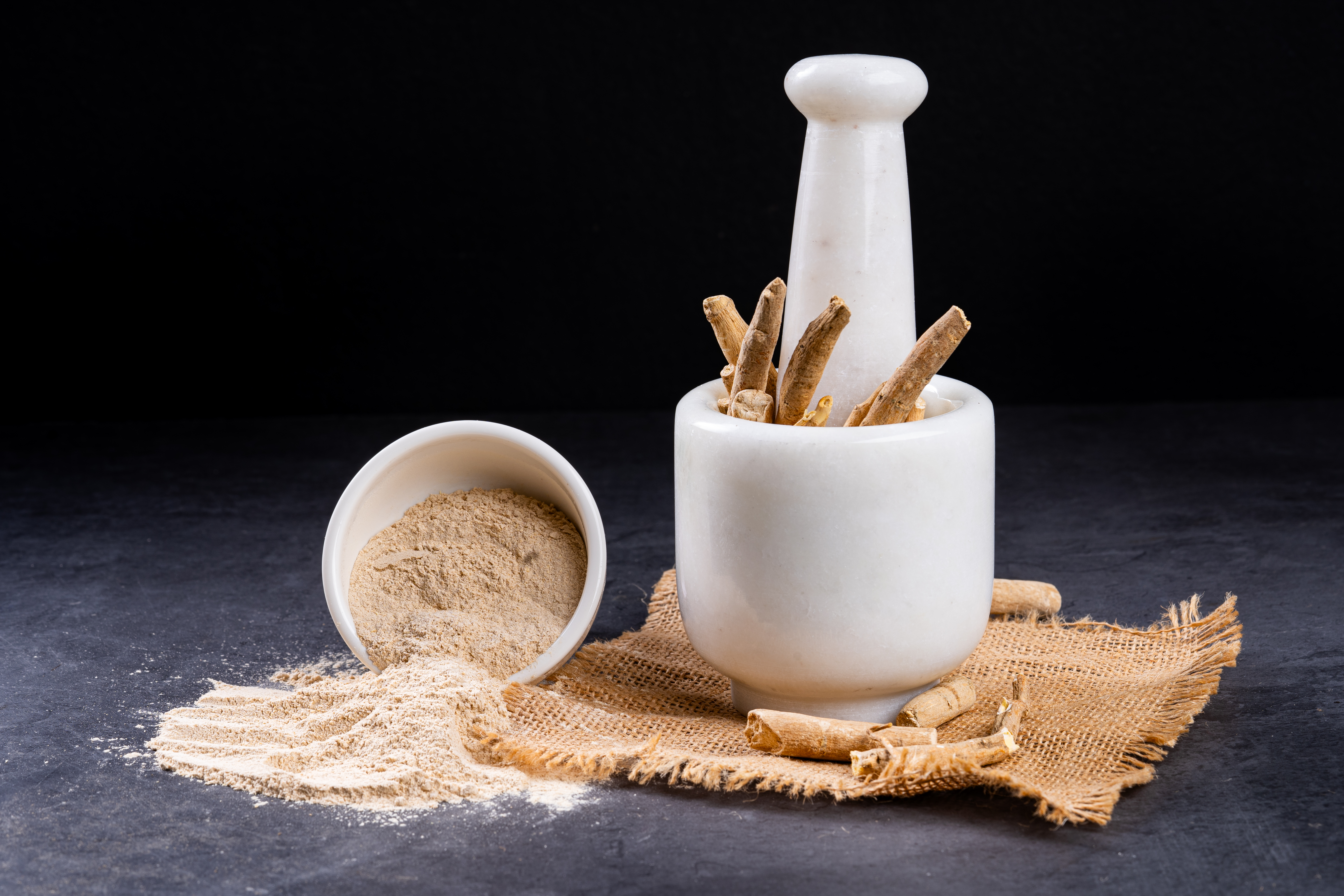
Another standout: Ashwagandha is among the most well-studied adaptogens, renowned for its ability to regulate the body’s cortisol response. Ixoreal offers root-only ashwagandha, branded as KSM-66. This ingredient is proven to ease stress and improve sleep. In one randomized, placebo-controlled study, those who took 600mg/day saw a 44% reduction in percieved stress scale scores. Learn more in From Root to Relief: Ashwagandha’s Impact on Stress. On the brand side, Elevate Organic offers Regenerative Organic Certified Fermented KSM-66 Ashwagandha.
Sabinsa offers Shagandha, a standardized, clinically studied ashwagandha root extract, says Shaheen Majeed, Global CEO & Managing Director, Sabinsa. “In a 60-day randomized, double-blind, multicenter, placebo-controlled trial in healthy adults with mild to moderate stress, participants taking 500 mg of Shagandha daily saw stress scores improve by 45.8% and anxiety scores improve by 33.9%, alongside a significant reduction in morning cortisol and a 33% increase in serotonin levels. That kind of biomarker-level evidence is exactly what this category needs to move forward credibly.”
Shah points to Nutrieventia’s Ashwanova (also known as Prolanza). “Using gold-standard cognitive assessment tools such as CANTAB (Cambridge Neuropsychological Test Automated Battery), we’ve observed meaningful improvements in areas like memory recall and visual memory,” says Shah. “Beyond cognition, Ashawanova has demonstrated the ability to reduce perceived stress and cortisol levels, while supporting overall mental and emotional well-being. Interestingly, it also shows benefits in addressing stress-related eating behavior, an often-overlooked consequence of chronic stress that can impact metabolic health over time.”
Historically, a formulation challenges with ashwagandha has been the high dosage required for efficacy, says Keely Johnson, VP of Sales and Marketing, Arjuna Natural, who says Arjuna’s ashwagandha ingredient, Shoden, has shown lasting benefits for stress, sleep, and cognitive function at doses of 60 and 120mg, as reported in 11 published clinical studies. Arjuna also provides a root-only format, Shoden-R, which is water-soluble, odorless, and easy to formulate into traditional and new delivery formats such as functional beverages, chews, and gummies.
While ashwagandha, which Natural Remedies offers as Ashwa.30, remains a gold standard adaptogen, holy basil/tulsi, standardized by Natural Remedies as Holixer, is also a standout, says Dr. Suresh. “Our clinical research shows it significantly reduces cortisol levels at hair follicles up to 66% and improves the ‘stress index’ in just weeks. It works on the HPA axis to help the body ‘unlearn’ its chronic stress response.”
Also look for nervines in formulations, advises Edwards-Maschotta. “Adaptogens work on the physiological stress response over time, helping the body build resilience and regulate cortisol. Nervines work more immediately, supporting the nervous system’s experience of stress—the racing mind, the tension, the inability to wind down. Used together, you get a formula that addresses both dimensions. Our Stress ReLeaf formula is a good example of this dual approach. It combines adaptogenic herbs—ashwagandha and holy basil—with classic nervine herbs including passionflower, milky oats, skullcap, and betony.”
David Winston, RH(AHG), President, Herbalist & Alchemist, adds, “Nervines nourish and support the nervous system; they are especially useful when a person feels depleted, overstimulated, emotionally reactive, or unable to settle. An example of how an experienced herbalist builds a formula is Calm Adapt, which combines calming adaptogens, including ashwagandha, reishi, and schisandra, with nervines such as oat and linden flower.”
Another botanical star: “American ginseng inhibits excitatory neuronal activity and modulates cortisol levels through the hypothalamic-pituitary-adrenal axis,” says James Roza, VP of Technical Services, BioVivo Science. “In addition, through immunomodulation, American ginseng supports homeostasis by balancing both pro-inflammatory and anti-inflammatory actions when the body’s innate immune system is challenged. This is of particular importance when physical manifestations of stress begin to occur.”
Black seed oil (branded as ThymoQuin by TriNutra) is another gem, says Liki Von Oppen-Bezalel, Chief Scientific Officer & Business Development Director, TriNutra. “A published human clinical study found that a daily dose of 500 mg of ThymoQuin taken over four weeks significantly affected cortisol levels. Study participants not only experienced a 44% reduction in cortisol levels but also saw an 11% improvement in mood, a 62% decrease in upper respiratory tract complaints, and 66% higher Streptococcus thermophilus values, suggesting improved immune system regulation.”
AlphaWave L-Theanine is the key recommendation for stress support from Cal Bewicke, CEO, Ethical Naturals Inc. “L-Theanine is naturally present in green tea and is associated with a calm, relaxed level of alertness. AlphaWave is supported by three clinical studies evaluating relaxation, stress management, focus, and mental acuity.”
Minerals are also critical, says Michael Schwartz, N.D., Holistic Naturopath, Founder of Michael’s Health Naturopathic Programs. “Stress can also lower important minerals like calcium, magnesium, and zinc. These minerals help your body send signals and stay balanced. When they are low, your body may not work as well, and this can lead to problems like high blood pressure.”
Maintaining optimal iron levels can also help. "Iron deficiency is the leading nutrient deficiency in the world and often can be a silent contributor to anxiety and stress," explains Vincent Hackel, President/CEO, SloIron Inc. "For individuals who are struggling with anxiety and stress as a direct result of iron deficiency, stress may feel like it is unavoidable even when the external influences are addressed. Fixing the underlying cause in these individuals rather than attempting to treat the symptoms can provide effective and lasting relief."
Hackel notes that iron directly affects the synthesis of three neurotransmitters: dopamine, norepinephrine, and serotonin. "Proper stress response is heavily dependent on these three neurotransmitters working appropriately," Hackel says. "Iron deficiency also impacts proper GABA metabolism resulting in heightened anxiety and an exaggerated stress response that may not have an obvious external cause." SloIron offers a plant-based ferritin iron that improves absorption without the side effects (such as nausea and constipation) that can come with traditional iron supplements. This iron also helps resolve another problem that some face: issues with the gut that inhibit proper absorption of iron even with sufficient supplementation. Hackel explains that SloIron has a unique absorption mechanism that allows the ferritin iron to enter the gut without relying on the DMT1 ion channel while also keeping the reactive Fe encased in the ferritin protein cage and protecting it from irritating the gut.
Another nutrient for added support: “Vitamin B6 works with magnesium to reduce anxiety and stress-induced physical symptoms by boosting GABA and serotonin. This helps balance brain activity and reduces cortisol-induced damage,” says Jay Levy, Director of Sales, Wakunaga of America Co. Kyolic Specialty Series Calm Mood combines vitamin B6 with ashwagandha, l-theanine and magnesium for a comprehensive calming effect.
Supplementing with GABA (Gamma-Aminobutyric Acid) on its own can also have calming effects, says Kim Perkins, Vitamin Brand Manager, NOW. “GABA is naturally produced in the body and its presence within the central nervous system may help promote relaxation and ease nervous tension. The branded ingredient PharmaGABA has been clinically studied to support a calm and focused mind, particularly during periods of normal, everyday stress.”
 Strain-specific probiotics are a growing trend amongst mental health and cognition solutions.
Don't overlook probiotics, adds Caroline Montelius, Senior Department Manager, Global Scientific Affairs and Regulatory Affairs, Probi. “One of the most important trends in stress support is the rise of strain-specific psychobiotics: probiotics that positively affect mental health and cognition.” Probi’s Lactiplantibacillus plantarum HEAL9 (branded as HEAL9) has been shown to support the gut-brain axis and improve cognition, memory function, attention, mood, stress response, sleep, and low-grade inflammation.
More probiotics to note: Lactobacillus helveticus and Bifidobacterium longum, says Brian Craig, CEO, Essential Formulas. “Clinical studies show these strains can reduce cortisol levels and improve the emotional response to stress. Some strains of Lactobacillus and Bifidobacterium are capable of producing GABA, the body’s primary 'relaxing' neurotransmitter, which is key for falling asleep.”
Majeed adds that LactoSpore, Sabinsa’s spore-forming probiotic strain Heyndrickxia coagulans MTCC 5856, also delivers mood and stress benefits.
Keys to Sounder Sleep
The stress hormone cortisol is intricately linked to sleep quality, notes Dr. Nora Khaldi, Founder and CEO, Nuritas. “When cortisol comes down, sleep improves. When sleep improves, the body has the recovery window it’s been missing. Mood, cognition, muscle repair.” PeptiSleep, a proprietary peptide derived from rice, helps reduce cortisol. “PeptiSleep was designed specifically to address the full architecture of sleep. Not just time to fall asleep, but the quality and distribution of the sleep you get,” says Dr. Khaldi. “In our clinical work, we saw improvements in all four phases, including measurable increases in deep sleep and REM.”
The connection between sleep and cognition is receiving more attention, and rightly so, adds Maggie McNamara, VP of Global Marketing, Saanroo. “Consumers want to wake up feeling clear, focused, and restored. Levagen+, Sanroo’s highly bioavailable and clinically backed palmitoylethanolamide (PEA), is a strong example of that shift. Its clinical research shows improvements not only in sleep metrics including improved sleep quality and faster sleep onset but also in next-day cognitive performance, a meaningful differentiator in a crowded sleep category.”
McNamara says Affron, a saffron extract with 11 published clinical studies, is also gaining traction. “It’s particularly interesting for its dual benefit, supporting both mood and sleep. That combination resonates with consumers who are dealing with stress that affects emotional well-being as much as it does rest.”
Dr, Lorts also sees saffron as a key growth driver in the category. The ingredient is a star player in Rainbow Light Saffron + Magnesium Glycinate with Methyl B12, which combines mood support with energy metabolism in one formula.
Michael Anthonavage, VP of Innovation & Product Development, Vitaquest International, notes emerging interest in ingredients like apigenin (a flavonoid found in chamomile) and low-dose melatonin combinations that reflects a shift toward more nuanced sleep support that avoids next-day grogginess. “Nootropic compounds such as citicoline and Bacopa monnieri are also being incorporated into nighttime or dual-phase formulations to support memory, attention, and long-term cognitive function.”
Herbs are a good option for those looking to avoid melatonin, says Edwards-Maschotta. “Our Deep Sleep formula is built on a synergistic blend of fresh California poppy, fresh valerian root, fresh passionflower, fresh chamomile, fresh lemon balm, and fresh milky oats. These herbs help the body fall asleep, stay asleep, and wake up feeling genuinely restored. It’s melatonin-free and non-habit-forming, which matters to many consumers who are wary of dependency.”
Winston developed Phytocalm, which combines hops, California poppy, valerian, skullcap, passionflower, and oat milky seed, to promote relaxation and support healthy sleep patterns. Several of the herbs have mild antispasmodic, anxiolytic and analgesic activity, he says, which can be useful when tension interferes with rest.
And from NOW: Sleep combines standardized extracts of valerian root, hops, and passionflower with GABA. Perkins says, “This formulation is intended to relax the nervous system, helping people drift into a restful sleep, enjoy a tranquil night, and wake up refreshed and energized in the morning.”
Powered Up Cognition
Mental sharpness can help keep stress at bay, notes Maria Stanieich, Senior Marketing Manager, Kyowa Hakko USA. “One-third of the consumers we surveyed said long hours and feeling overwhelmed were having a real negative effect on their well-being. That’s a lot of people just trying to get through their day. Finding ingredients that can help them address distraction, fogginess, and overall productivity can help people feel like they have more control over that stress.” Kyowa Hakko’s branded citicoline can help. “Cognizin has been studied for over 30 years, with research showing it supports productivity through focus, reaction time, and accuracy in healthy adults.”
Carboni points to SAMe (branded as Adonat Premium SAMe) as another critical ingredient. “SAMe protects cognitive function through supporting neurological health. It increases phospholipid methylation, critical for healthy neuron production and the regulation of brain-derived neurotrophic factor, a protein associated with learning, memory formation, and neuronal survival. SAMe is indirectly involved in regulating acetylcholine, a neurotransmitter involved in memory, attention, learning faculties and cognition.”
MenaQ7 (vitamin K2) also offers benefits, adds Carboni. “Although clinical evidence remains limited, observational studies have linked higher dietary vitamin K intake and greater brain levels of vitamin K2 to better cognitive performance. An emerging field of research is investigating the potential role for vitamin K2 in supporting brain health during aging.”
Collins sees rising demand for “calm performance” ingredients that support cognitive function without the sleep-disrupting effects of stimulants. Enter sageXtra. “SageXtra is clinically proven to boost memory and attention within one hour at a very low 333 mg dose that can easily be incorporated into different delivery formats such as gummies, ready-mix powders, and RTDs. SageXtra is particularly well-suited for afternoon or evening use, allowing consumers to maintain mental clarity and productivity without compromising their sleep-wake cycles.”
Other botanical options to consider are MENTALIFY (derived from Aloysia) for children and teens and CONCENTAL (from Sideritis) for older adults, says Suarez-Rizzo. “These ingredients are designed to target neurotransmitter systems involved in attention, memory, and mental clarity, particularly pathways affected by stress-related cognitive fatigue.”
French oak wood extract (patented as Robuvit) has also been shown to support physical and mental energy without caffeine, says Sébastien Bornet, VP Global Sales & Marketing, Horphag Research. “Clinical studies highlight Robuvit’s ability to improve sleep quality, reduce symptoms of burnout, and enhance resilience against psychological strain. In a study involving individuals with chronic fatigue syndrome, participants reported a 48% improvement in energy levels and a significant reduction in symptoms like mood swings and unrefreshing sleep. Another study on healthcare professionals under high occupational stress showed notable improvements in work-related burnout, emotional stability, and resilience after only four weeks of supplementation. Robuvit has also shown effectiveness in post-convalescence care, helping to improve mood and sleep during recovery from illness or surgery.”
 Companies are relying on the latest proven research to provide customers with genuine solutions.
 Yet another long-studied option: Bacopa monnieri, says Majeed. “It has been used in Ayurveda for nearly 3,000 years as a brain tonic and has well-documented anti-anxiety properties. Clinical and preclinical research shows that Bacopa monnieri lowers the stress-related secretion of adrenal hormones and supports cognitive performance under load, including memory, attention, and learning. The bacosides, its active compounds, repair damaged neurons and enhance synaptic transmission, which is directly relevant to the cognitive deterioration that accompanies chronic stress.”
Sabinsa offers the standardized Bacopa monnieri extract Bacopin. And from Natural Remedies comes the standardized extract Bacomind.
Majeed notes that Centellin, Sabinsa’s Centella asiatica extract, is another ingredient he consistently recommends. “It modulates both the cholinergic and GABAergic systems, which are directly involved in anxiety and mood regulation. It stimulates dendritic growth, supports memory and learning, and delivers meaningful anti-anxiety and anti-stress effects. It is one of the more versatile ingredients in our portfolio because it simultaneously supports cognition and emotional resilience. Sabroxy, our standardized extract of Oroxylum indicum, is another good example: It has been shown in a randomized, double-blind, placebo-controlled clinical trial to improve episodic memory, working memory, and learning rate while also increasing BDNF, the brain’s key neurotrophic growth factor, in a dose-dependent manner.”
Don't leave out medicinal mushrooms, adds Levy. “Lion’s Mane is a medicinal mushroom that forms the backbone of Kyolic Specialty Series Smart Mushrooms+. Studies suggest that this natural nootropic can improve mild cognitive impairment, reduce anxiety, and support nerve health by stimulating nerve growth factor synthesis. Because more than half of all adults experience significant daily stress, we have also fortified all of our Mushroom+ supplements with aged garlic extract. Research has shown that AGE not only reduces perceived mental stress and fatigue, it also protects against stress-induced immune suppression, making it an ideal complement to the medicinal properties mushrooms provide.”
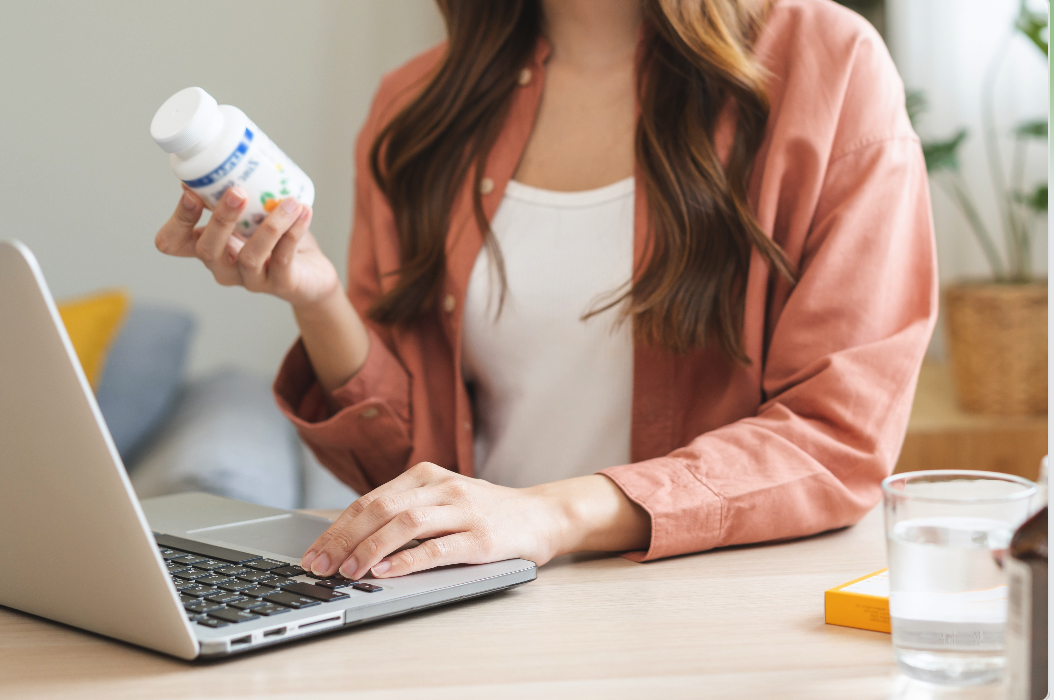 More consumers are reading labels and understanding what exactly goes into the products they are purchasing.Smart Advice
More consumers are reading labels and understanding what exactly goes into the products they are purchasing.Smart AdviceWhile options abound, knowledge is key. “Consumers are more informed than they used to be; they’re asking about mechanisms, not just benefits,” says Edwards-Maschotta. “They want to understand why ashwagandha or skullcap works, not just that it’s ‘calming.’ That shift raises the bar for quality, transparency, and formulation across the category.”
For retailers, Hackel advises: "As with all supplements, it’s important to ensure retailers provide products with clinical research supporting their efficacy and claims. There is a tremendous opportunity to help their customers meet their basic nutritional needs, which often manifest in conditions that seem unrelated." WF