RSS
RSS
Quicklinks
WholeFoods Magazine
What's Up with the Arctic Apple Avoiding Gene Silencing
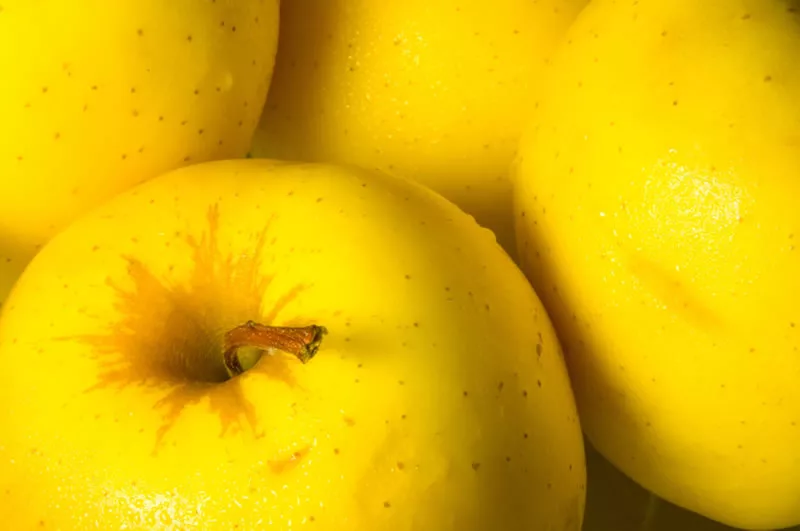
In 2015, Canadian-based Okanagan Specialty Fruits (OSF) announced the introduction of genetically engineered Arctic Granny Smith and Arctic Golden Delicious apples into the U.S. market, as a result of a $41-million dollar merger with Intrexon, a Maryland-based synthetic biology company with interests in the genetically engineered salmon and livestock industry. The two new varieties use controversial gene silencing to prohibit browning.
OSF has been planting as many trees as possible in the United States while employing biotechnology and gene silencing to improve other varieties of apples. OSF scientists also seek to genetically engineer peaches, pears and cherries to make them scab and fire blight resistant, resist browning and improve dwarfing and canopy shape. In response to OSF targeting the largest apple-producing states (Washington State, Michigan and New York), surveyed growers, manufacturers and consumers have been asserting that no one wants a non-browning apple, The apple was released despite on-going protests from the British Columbia Fruit Growers' Association (BCFGA) and various anti-biotechnology consumer and industry groups both in Canada and the U.S.
The demand for non-browning apples comes from food service who desire long shelf life for food products. Children seem to prefer pre-cut fruits, however silencing the fruit-browning phenomena creates the risk that the apples will still rot without consumers and manufacturers being able to tell whether or not the produce is fresh. Okanagan's U.S. grown apples are expected to be on the shelves in late 2016 and could also affect supplements and apple ingredients.
Manufacturers, food service and restaurants must be alert to avoid gene-silenced produce and ingredients. As a result of an industry outreach and more than 250,000 consumer signatures, three major food companies have confirmed that they have no plans to sell the gene silenced fruit. This includes Wendy's, which sells apple slices in kids meals, as well as McDonald's restaurant chain and Gerber, a leading baby foods manufacturer.
Apples turn brown because of a reaction between polyphenol oxidase enzymes and oxygen. When the apple is cut, oxygen activates the enzyme and creates melanin, which is the cause of the brown color. When polyphenol enzymes are silenced, melanin is not produced and the apple does not turn brown.
According to The Center for Food Safety, RNA interference or RNAi is based on the manipulation of RNA molecules in order to dial back the expression of or "silence" genes. CFS scientists explain that the Arctic Apple has been engineered to reduce polyphenol oxidase (PPO) enzymes responsible for browning in apple flesh after bruising. The polyphenol enzymes are also found throughout the tree where impacts of genetic engineering have not been determined. Recent studies reveal that genetic interference that targets one gene might unpredictably turn off or turn down unrelated genes. CFS scientists also explain that in other plants, PPO genes are known to bolster pest and stress resistance. This suggests that non-browning apple trees may be more vulnerable to disease and require more pesticides than conventional apples. From this perspective, controversial gene silencing may not be beneficial for the environment and may be a huge risk for normal human gene functioning.
Apples consumption has been correlated with important health benefits. In many cases, this can be attributed to the well-researched health-promoting action of polyphenol enzymes. Conversely, silencing polyphenols could prohibit positive health benefits and inhibit the effectiveness of supplements and other health-promoting foods. Inhibiting melanin production may also affect skin color, hair color, eyesight and overall good health.
Overwhelming numbers of surveyed consumers (90%) are now reporting that they do not favor GE foods and that at the very least, mandatory labeling of all GMO foods and ingredients is needed. There is no guarantee that the two new gene-silenced apple varieties are safe for human health or the environment, with BCFGA advising consumers and manufacturers to avoid all Granny Smith and Golden Delicious apples.
Apples are a widely used ingredient in packaged foods, infant foods, supplements, cosmetics, personal care and household products. For manufacturers and formulators wishing to protect the organic standard and address consumer demands to avoid GMOs, vigilance in supply chain verification and testing may be necessary.
Simi Summer, Ph.D. is an organic advocate, independent researcher, educator, and freelance writer. She is a strong proponent of organic consumer education and informed consumer choices.
NOTE: The opinions expressed in bylined articles are not necessarily those of the publisher.
Posted on WholeFoods Magazine Online, 1/8/2016
OSF has been planting as many trees as possible in the United States while employing biotechnology and gene silencing to improve other varieties of apples. OSF scientists also seek to genetically engineer peaches, pears and cherries to make them scab and fire blight resistant, resist browning and improve dwarfing and canopy shape. In response to OSF targeting the largest apple-producing states (Washington State, Michigan and New York), surveyed growers, manufacturers and consumers have been asserting that no one wants a non-browning apple, The apple was released despite on-going protests from the British Columbia Fruit Growers' Association (BCFGA) and various anti-biotechnology consumer and industry groups both in Canada and the U.S.
The demand for non-browning apples comes from food service who desire long shelf life for food products. Children seem to prefer pre-cut fruits, however silencing the fruit-browning phenomena creates the risk that the apples will still rot without consumers and manufacturers being able to tell whether or not the produce is fresh. Okanagan's U.S. grown apples are expected to be on the shelves in late 2016 and could also affect supplements and apple ingredients.
Manufacturers, food service and restaurants must be alert to avoid gene-silenced produce and ingredients. As a result of an industry outreach and more than 250,000 consumer signatures, three major food companies have confirmed that they have no plans to sell the gene silenced fruit. This includes Wendy's, which sells apple slices in kids meals, as well as McDonald's restaurant chain and Gerber, a leading baby foods manufacturer.
Apples turn brown because of a reaction between polyphenol oxidase enzymes and oxygen. When the apple is cut, oxygen activates the enzyme and creates melanin, which is the cause of the brown color. When polyphenol enzymes are silenced, melanin is not produced and the apple does not turn brown.
According to The Center for Food Safety, RNA interference or RNAi is based on the manipulation of RNA molecules in order to dial back the expression of or "silence" genes. CFS scientists explain that the Arctic Apple has been engineered to reduce polyphenol oxidase (PPO) enzymes responsible for browning in apple flesh after bruising. The polyphenol enzymes are also found throughout the tree where impacts of genetic engineering have not been determined. Recent studies reveal that genetic interference that targets one gene might unpredictably turn off or turn down unrelated genes. CFS scientists also explain that in other plants, PPO genes are known to bolster pest and stress resistance. This suggests that non-browning apple trees may be more vulnerable to disease and require more pesticides than conventional apples. From this perspective, controversial gene silencing may not be beneficial for the environment and may be a huge risk for normal human gene functioning.
Apples consumption has been correlated with important health benefits. In many cases, this can be attributed to the well-researched health-promoting action of polyphenol enzymes. Conversely, silencing polyphenols could prohibit positive health benefits and inhibit the effectiveness of supplements and other health-promoting foods. Inhibiting melanin production may also affect skin color, hair color, eyesight and overall good health.
Overwhelming numbers of surveyed consumers (90%) are now reporting that they do not favor GE foods and that at the very least, mandatory labeling of all GMO foods and ingredients is needed. There is no guarantee that the two new gene-silenced apple varieties are safe for human health or the environment, with BCFGA advising consumers and manufacturers to avoid all Granny Smith and Golden Delicious apples.
Apples are a widely used ingredient in packaged foods, infant foods, supplements, cosmetics, personal care and household products. For manufacturers and formulators wishing to protect the organic standard and address consumer demands to avoid GMOs, vigilance in supply chain verification and testing may be necessary.
Simi Summer, Ph.D. is an organic advocate, independent researcher, educator, and freelance writer. She is a strong proponent of organic consumer education and informed consumer choices.
NOTE: The opinions expressed in bylined articles are not necessarily those of the publisher.
Posted on WholeFoods Magazine Online, 1/8/2016
Recommended For You
Latest Publication

June/July 2026

2026 Deep Dive Cardiovascular Health

May 2026

2026 Mastering the Microbiome Market