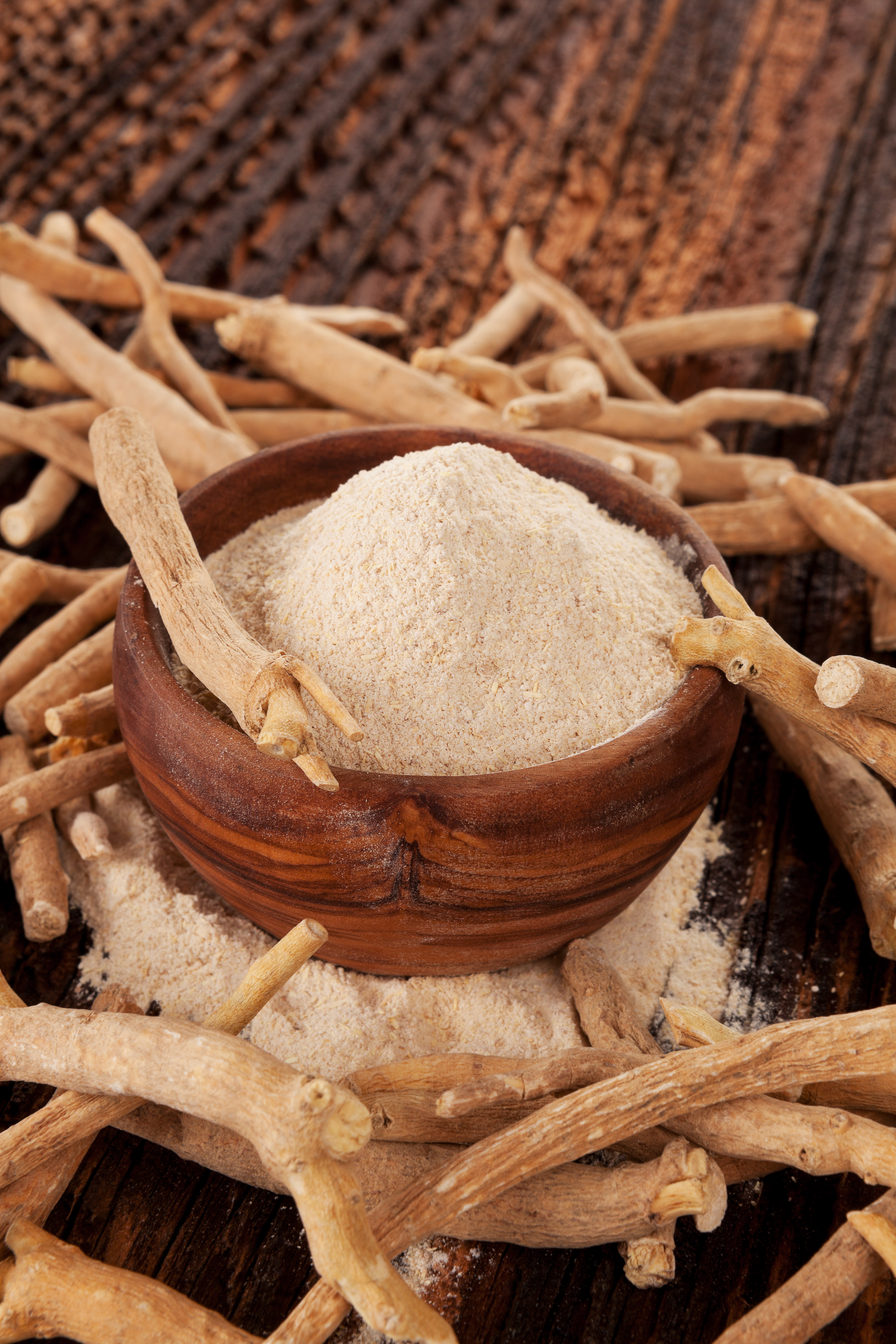
Los Angeles, CA—Ixoreal Biomed Inc., manufacturer of KSM-66 Ashwagandha, shared news of the first high-dose clinical study to systematically evaluate the safety of KSM-66 Ashwagandha root extract at 2,000 mg per day. This dose if more than three times the most commonly studied therapeutic dose of 600 mg/day, the company reports.
The findings, published in Frontiers in Nutrition, confirm a favorable safety and tolerability profile across all primary organ systems assessed over a 12-week period. No clinically significant changes in liver, kidney, or thyroid function were seen in the prospective, non-comparative (single-arm, uncontrolled) clinical study (details below).
"KSM-66 Ashwagandha has an established safety record at the standard 600 mg/day dose across multiple rigorous clinical trials," said Kartikeya Baldwa, CEO, Ixoreal Biomed Inc. "This study takes that evidence meaningfully further. Even at 2,000 mg/day over a 12-week period, KSM-66 was well tolerated, with no clinically significant changes observed in liver, kidney, or thyroid function in this group of healthy adults. For brands and formulators evaluating high-potency formats, these are encouraging safety data."
About the study
145 healthy adults aged 18–65 received 2,000 mg/day of KSM-66 Ashwagandha root extract for 12 weeks. This is the highest-dose safety evaluation of any standardized ashwagandha extract published to date, according to Ixoreal Biomed. Primary safety outcomes covered comprehensive laboratory monitoring of hepatic, renal, and thyroid function at baseline, week 4, week 8, and week 12.
The findings
- Across all hepatic markers assessed, including AST, ALT, alkaline phosphatase, and bilirubin, no clinically meaningful changes were observed.
- All values remained within established reference ranges throughout the 12-week study period. The same held for renal markers, with creatinine and blood urea nitrogen remaining within normal limits, and for the full thyroid panel, including TSH, T3, and T4.
- No serious adverse events were reported at any point during the study.
- Among the 145 participants, the large majority experienced no adverse events at all; those that were reported were mild and transient in nature, resolving without medical intervention.
- No participant was withdrawn from the study due to a safety concern.
- As a secondary (exploratory) outcome, health-related quality of life assessed via the validated SF-36 questionnaire showed within-group changes across several domains over 12 weeks. Because the study was uncontrolled and not designed to measure efficacy, Ixoreal Biomed siad the secondary findings are exploratory and should not be read as evidence of a treatment effect.
Ixoreal Biomed said these latest findings add to an extensive clinical safety portfolio, with more than 50 published studies and a body of evidence that positions KSM-66 as the most comprehensively safety-characterized ashwagandha extract available to the global ingredient market. Some highlights of the KSM-66's clinical safety portfolio:
- KSM-66 has a consistent record of favorable safety and tolerability, with all studies monitoring adverse events.
- More than 10 studies have included dedicated evaluation of organ-system parameters, namely liver, kidney, and thyroid function, with no clinically significant findings reported across any of them.
- Research includes 12-month continuous administration study, which Ixoreal Biomed said it the longest duration safety evaluation of any ashwagandha extract to date.
FAQ: Ashwagandha safety
What dose of KSM-66 Ashwagandha was studied?
Researchers evaluated 2,000 mg per day of KSM-66 Ashwagandha root extract in 145 healthy adults over a 12-week period.
Did the study find any liver safety concerns?
No. Liver health markers including AST, ALT, alkaline phosphatase, and bilirubin remained within normal reference ranges throughout the study.
Did high-dose KSM-66 affect thyroid function in the study?
The study reported no clinically significant changes in thyroid markers including TSH, T3, and T4 during the 12-week intervention.
Were there any serious adverse events related to the higher dose of ashwagandha?
No serious adverse events were reported, and no participants were withdrawn because of safety concerns.
How does 2,000 mg compare with common ashwagandha doses?
According to Ixoreal Biomed, 2,000 mg per day is more than three times the commonly studied therapeutic dose of 600 mg daily.