Mosser: How can retailers and manufacturers fight misinformation about supplements and natural foods on social media?
 Andrew Therrien, VP Business Development, Sampler Inc: By replacing volume with credibility. Misinformation spreads because social platforms reward extreme claims and oversimplification. Retailers and manufacturers do not win by being louder. They win by becoming trusted translators. That means leading with transparency, explaining sourcing formulation and testing standards, and being honest about what a product does and what it does not do. It also means using the store as a place of clarity. When a customer hears one thing online but experiences calm, informed guidance in person, trust shifts naturally. The goal is not to argue, the goal is to lower confusion and raise understanding.
 Alina Hornfeldt & Lauren Gaffney, Co-Owners of Mastel’s:
 We have to show up—consistently, calmly, and with clarity. Not by arguing, but by educating. We share evidence-informed information in approachable language, correct myths gently, and highlight our in-house expertise. Retailers like us can offer “Here’s what we’re seeing clinically” or “Here’s how our customers actually respond.” People trust real-world experience when it’s paired with responsible information. Manufacturers need to support this by providing transparent research, clean educational materials, and prompt clarification when misinformation spreads.
 Emily Ehinger, General Manager, Organic Marketplace: Retailers need to gently educate our consumers to counter all the misinformation and gimmicks they see. Originally, we had to only fight print, television, and word of mouth; now we have to fight all of those plus all the social media. I’ve found it helpful to use manufacturers’ literature and even other stores’ social media posts like TikToks to help guide our customers to what they are really looking for.
Mosser: What innovative in-store experiences could draw younger shoppers into natural product stores?
Therrien: Younger shoppers do not want to be sold to, they want to learn without pressure. What works is human interaction, sampling, demonstrations, and short real conversations. Education should be experiential: Taste, Touch, Compare. Discovery should feel safe: Small trial sizes, starter bundles, and guided first steps. Design even matters: Clear layouts, simple signage, and technology that supports learning without replacing people. The store becomes a trusted space not a transaction zone.
Hornfeldt & Gaffney: Create experiences worth leaving the house for:
- Try-before-you-buy supplements (safe, single-serve samples)
- Workshops: adaptogenic drinks, gut health basics, clean skincare
- Pop-up brand takeovers with free gifts and demos
- Aesthetic, Instagrammable displays (they do matter)
Younger shoppers want education plus experience plus community.
Ehinger: We’ve had a great reception from Gen X to Millennials doing in-store HBA consultation and weekly sampling at a tea station where we provide hot water to make tea or try beverages in store, like a staff and customer favorite BioCoffee. We also offer children a health sucker or treat at the end of the shopping experience; many of them look forward to it.
Mosser: How can retailers better train staff to become product educators, and not just salespeople?
Ehinger: Education is key for growth in our sales staff. We have taken some full staff field trips and dinner training to allow for a deeper training in products—like our trip to Gaia to have the staff touch, feel, and see how some of our supplements are made. It was a fun and exciting way for them to learn. We took that trip in the summer and they still talk about it and share the knowledge they gained on the farm to the customers.
Therrien: Stop training for scripts, start training for understanding. Great educators know why a product exists, not just how to sell it. Training should focus on: The problem, The solution, The limitation. Staff should feel comfortable saying, “I do not know, but I can find out.” Success should be measured in trust, not pressure and not speed. When education is honest, sales follow naturally.
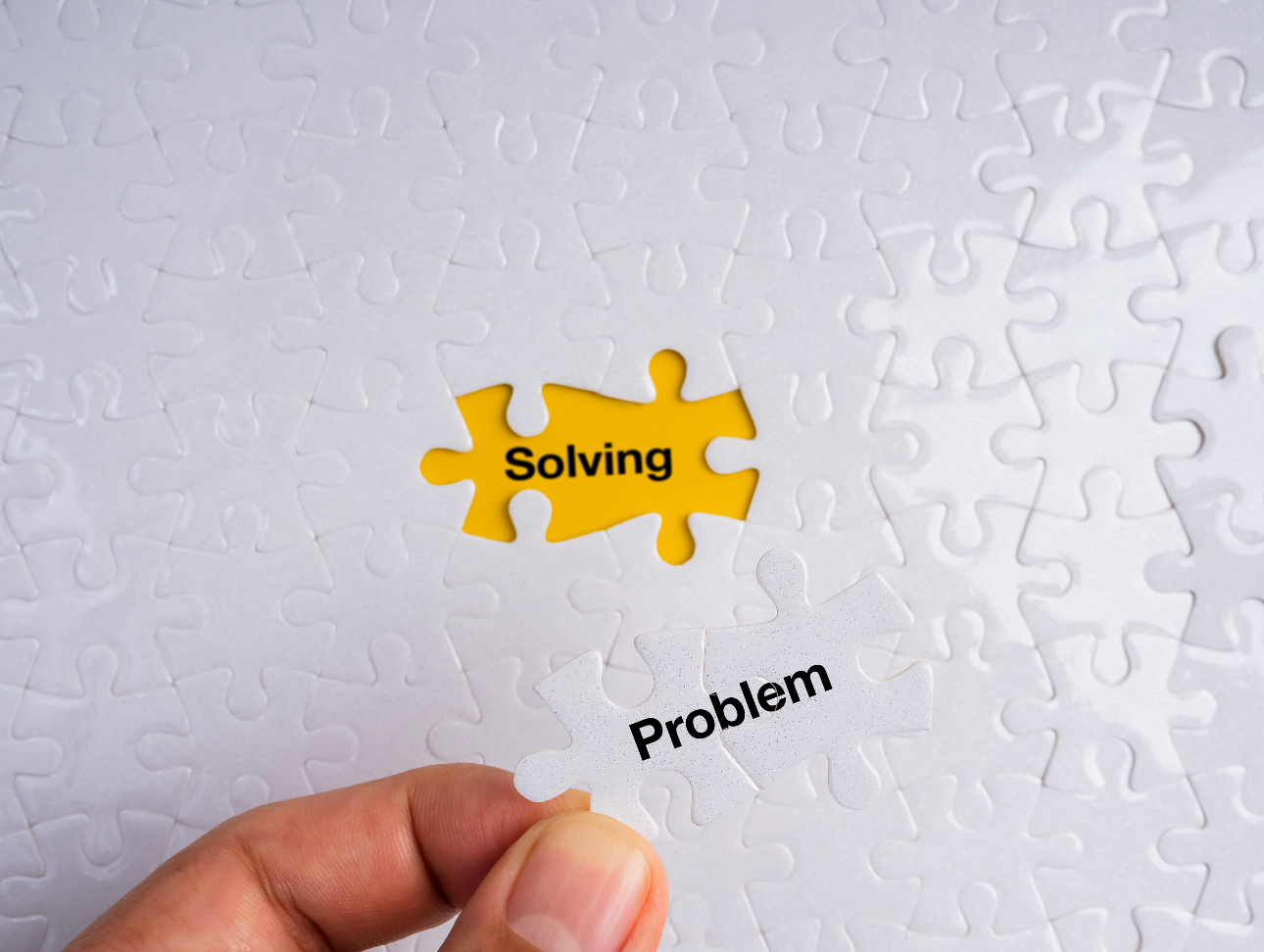 Hornfeldt & Gaffney: Education has to become part of the job—not an extra. We set aside dedicated training time, use a consultation model, and teach staff why a product works, not just what it’s for. Cheat sheets, vendor trainings, and ongoing discussions about real customer scenarios. When staff understand that their job is to solve problems, not push products, everything changes. WF