RSS
RSS
Quicklinks
WholeFoods Magazine

The Environmental and Social Issues Around Palm Oil Production
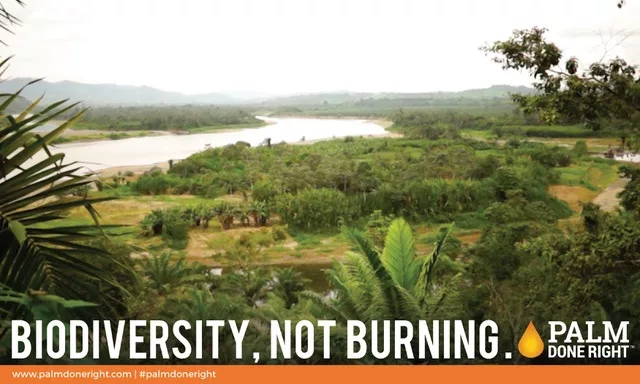
This is the second post in a series uncovering Palm Oil – what it is, where it comes from, how and where it’s used, the health benefits and the often-confusing controversy around the topic. Given that it’s so prevalent in the supply chain, it’s important to understand the impact of palm oil in order to make informed choices, for the environment, for social justice, and for your health. Learn more about the positive benefits of sustainably sourced palm oil by visiting www.palmdoneright.com.
Palm oil is an extremely versatile and pervasive ingredient found in everything from food and cosmetics to cleaning products. However, palm oil that is not grown sustainably — known as “conflict palm” — wreaks havoc on the environment, animals and communities. This includes large-scale destruction of forest biodiversity as well as loss of critical habitat for animals including endangered species. Additional impacts such as soil erosion, air pollution, soil and water pollution and climate change are also damaging.
The people behind the international campaign, Palm Done Right™ are committed to finding a better way to produce palm oil. Done right, palm oil can be one of the most sustainable oils in the world, nurturing animals, people, communities and the environment. Our goal is to raise awareness, increase education and maximize the practice of growing palm for good.
The development of large single crop oil palm plantations has led to clear cutting primal rainforest in much of the conventional palm industry in Indonesia and Malaysia. These practices displace (or kill) native species — like the Sumatran tiger, the Asian rhinoceros and the Sumatran Orangutan — putting them at high risk for extinction and causing a negative effect to the ecosystem as a whole.
Palm Done Right is about “just saying no” to clear-cutting, burning or planting in virgin or second growth rain forests. Instead, Palm Done Right farmers and smaller plantations with multi-cropping build up degraded land through organic agriculture practices, often on small plots surrounded by other complementary crops, while leaving a portion of the land uncultivated to foster biodiversity.
Industrial palm plantations use conventional growing methods with a focus on high volume and low cost. These growers rely on chemical fertilizers, pesticides and herbicides, and heavy machinery for planting and harvesting. This creates a vicious cycle, where fertilizers contaminate water sources, increase the salinity of the soil and kill off micronutrients, requiring more and more fertilizer for plants to grow. Pesticides kill not only pests, but beneficial insects as well, requiring more and more powerful pesticides.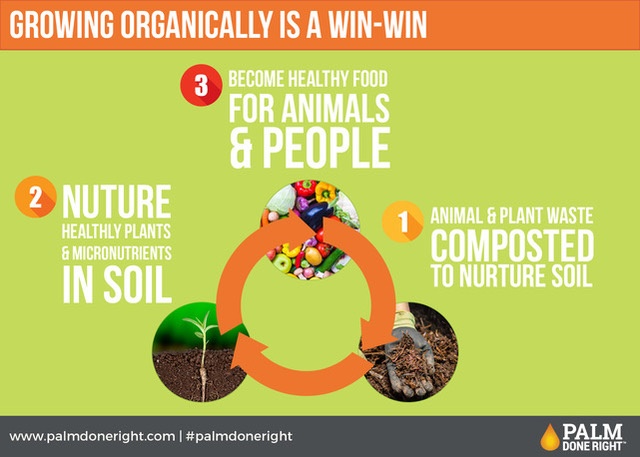
Not only is this detrimental to the soil and the ecosystem, but more and more evidence is showing that these chemicals have negative effects on our health too. Palm Done Right supports organic and sustainable practices, which means growing without synthetic pesticides, herbicides or fertilizers.
Farmers who grow organically become stewards of the land and soil.
Palm Done Right combines experience and wisdom from indigenous cultures with the technical know-how of professional agronomists to empower farmers with the knowledge, support and resources they need to grow organically.
Organic and sustainable practices used for Palm Done Right include:
We believe in the value of sustainable agriculture and support rehabilitation of land. On our farms, agronomists adapt best practices to the landscape. Farmers use green manure and employ cover crops that build healthy soil and attract beneficial insects. Traps made with natural materials control less helpful bugs. This helps regenerate native crops and encourage wildlife.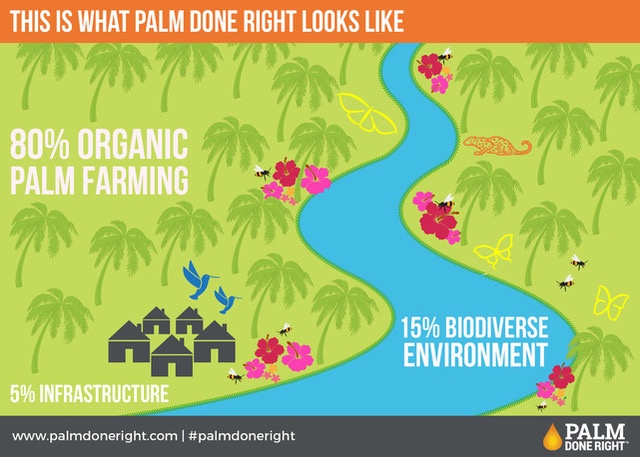
Palm Done Right also believes in supporting regional communities in cooperation with Fair for Life fair trade funds, partnering with the farmers and members of a community to jointly develop programs that address what community members believe are key areas of concern, like:
Our goal is to create positive impact through economic empowerment, environmental integrity and programs to support social well-being. To learn more, watch https://www.youtube.com/watch?v=vc0uvc9YJ6U or visit http://www.palmdoneright.com/en/home/.
Stay tuned for our next post where we will talk about the many benefits of cooking with palm oil.
Neil Blomquist has over 40 years of hands-on success building brands and companies in the natural products industry. Neil has practical experience in retailing, distribution, brand marketing, product sourcing, product development and organizational management. Formerly President and CEO of Spectrum Organic Products, Neil is the current Managing Director for Natural Habitats USA.![Neil_Headshot[1]](https://wholefoodsmagazine.com/wp-content/uploads/2017/04/Neil_Headshot1.jpg) An expert in in the development and marketing of sustainable business solutions for natural products, Neil provides oversight of all business activities in the U.S. for the Natural Habitats Group. An expert in fats and oils as well as sustainable business practices, Neil is the spokesperson for Palm Done Right, an international campaign on a mission to change the conversation around palm oil and working to prove that palm can be grown for good.
An expert in in the development and marketing of sustainable business solutions for natural products, Neil provides oversight of all business activities in the U.S. for the Natural Habitats Group. An expert in fats and oils as well as sustainable business practices, Neil is the spokesperson for Palm Done Right, an international campaign on a mission to change the conversation around palm oil and working to prove that palm can be grown for good.
NOTE: The statements presented in this blog should not be considered medical advice or a way to diagnose or treat any disease or illness. Dietary supplements do not treat, cure or prevent any disease. Always seek the advice of a medical professional before adding a dietary supplement to (or removing one from) your daily regimen. WholeFoods Magazine does not endorse any specific brand or product. The opinions expressed in bylined articles are not necessarily those of the publisher.
Palm oil is an extremely versatile and pervasive ingredient found in everything from food and cosmetics to cleaning products. However, palm oil that is not grown sustainably — known as “conflict palm” — wreaks havoc on the environment, animals and communities. This includes large-scale destruction of forest biodiversity as well as loss of critical habitat for animals including endangered species. Additional impacts such as soil erosion, air pollution, soil and water pollution and climate change are also damaging.
The people behind the international campaign, Palm Done Right™ are committed to finding a better way to produce palm oil. Done right, palm oil can be one of the most sustainable oils in the world, nurturing animals, people, communities and the environment. Our goal is to raise awareness, increase education and maximize the practice of growing palm for good.
The development of large single crop oil palm plantations has led to clear cutting primal rainforest in much of the conventional palm industry in Indonesia and Malaysia. These practices displace (or kill) native species — like the Sumatran tiger, the Asian rhinoceros and the Sumatran Orangutan — putting them at high risk for extinction and causing a negative effect to the ecosystem as a whole.
Palm Done Right is about “just saying no” to clear-cutting, burning or planting in virgin or second growth rain forests. Instead, Palm Done Right farmers and smaller plantations with multi-cropping build up degraded land through organic agriculture practices, often on small plots surrounded by other complementary crops, while leaving a portion of the land uncultivated to foster biodiversity.
Industrial palm plantations use conventional growing methods with a focus on high volume and low cost. These growers rely on chemical fertilizers, pesticides and herbicides, and heavy machinery for planting and harvesting. This creates a vicious cycle, where fertilizers contaminate water sources, increase the salinity of the soil and kill off micronutrients, requiring more and more fertilizer for plants to grow. Pesticides kill not only pests, but beneficial insects as well, requiring more and more powerful pesticides.
Not only is this detrimental to the soil and the ecosystem, but more and more evidence is showing that these chemicals have negative effects on our health too. Palm Done Right supports organic and sustainable practices, which means growing without synthetic pesticides, herbicides or fertilizers.
Farmers who grow organically become stewards of the land and soil.
Palm Done Right combines experience and wisdom from indigenous cultures with the technical know-how of professional agronomists to empower farmers with the knowledge, support and resources they need to grow organically.
Organic and sustainable practices used for Palm Done Right include:
- Cultivating diverse, non-commercial crops to attract beneficial insects.
- Planting leguminous (i.e., "nitrogen fixing") cover crops to nurture the soil and provide “green compost.”
- Multi-cropping for both biodiversity and economic stability.
- Reusing palm leaves and cuttings for mulch and compost to naturally increase the soil's micro biological activity.
- Managing waste water from the oil mill to create a recyclable resource.
- Opting for non-fossil fuel-run equipment and transportation — like mules and oxen — as much as possible.
- Using empty palm bunches as a nutrient-rich mulch.
- Palm fiber that is produced when the fruit is pressed into oil, is used as fuel to fire the boiler system for the oil plant.
We believe in the value of sustainable agriculture and support rehabilitation of land. On our farms, agronomists adapt best practices to the landscape. Farmers use green manure and employ cover crops that build healthy soil and attract beneficial insects. Traps made with natural materials control less helpful bugs. This helps regenerate native crops and encourage wildlife.
Palm Done Right also believes in supporting regional communities in cooperation with Fair for Life fair trade funds, partnering with the farmers and members of a community to jointly develop programs that address what community members believe are key areas of concern, like:
- Building and staffing a medical clinic.
- Improving critical local infrastructure, such as footbridges and culverts.
- Developing sports programs for local children.
- Supporting local schools.
- Establishing sources of potable water.
- Nutrition education
- Supporting local youth groups with materials for community improvement projects.
- Conducting sessions on garbage disposal and recycling.
Our goal is to create positive impact through economic empowerment, environmental integrity and programs to support social well-being. To learn more, watch https://www.youtube.com/watch?v=vc0uvc9YJ6U or visit http://www.palmdoneright.com/en/home/.
Stay tuned for our next post where we will talk about the many benefits of cooking with palm oil.
Neil Blomquist has over 40 years of hands-on success building brands and companies in the natural products industry. Neil has practical experience in retailing, distribution, brand marketing, product sourcing, product development and organizational management. Formerly President and CEO of Spectrum Organic Products, Neil is the current Managing Director for Natural Habitats USA.
An expert in in the development and marketing of sustainable business solutions for natural products, Neil provides oversight of all business activities in the U.S. for the Natural Habitats Group. An expert in fats and oils as well as sustainable business practices, Neil is the spokesperson for Palm Done Right, an international campaign on a mission to change the conversation around palm oil and working to prove that palm can be grown for good.NOTE: The statements presented in this blog should not be considered medical advice or a way to diagnose or treat any disease or illness. Dietary supplements do not treat, cure or prevent any disease. Always seek the advice of a medical professional before adding a dietary supplement to (or removing one from) your daily regimen. WholeFoods Magazine does not endorse any specific brand or product. The opinions expressed in bylined articles are not necessarily those of the publisher.
Recommended For You
Latest Publication
June/July 2026
2026 Deep Dive Active Nutrition Market

2026 Deep Dive Cardiovascular Health
May 2026