Some want to get well fast. Others want to avoid those sneezes and coughs before they start. Still others want to improve their core immune strength from the digestive tract down to the cellular level. When dealing with a category as broad as immune support, it can be hard for retailers and supplement companies to pin down what the majority of consumers are looking for. But with strategic marketing and a solid foundation in science, they stand a great chance of making that connection and, in the process, delivering products that will help shoppers achieve a healthier tomorrow.
Immunity Ins and Outs
Scientific backing is helping to elevate the immune support category in the eyes of consumers while also placing it on a firmer footing with regulators. “Quality clinical research can earn credibility among consumers and support compelling marketing claims that can help better define the product, withstand regulatory scrutiny, and ultimately drive consumer value,” says Richard Mueller, president of Biothera Health, Inc., Eagan, MN.
Innovative ingredients with strong research backing can offer simple immune health benefit claims that resonate with shoppers, Mueller explains. He also notes that because many people consider immune health to be the foundation of wellness, claims in this category can encompass a variety of product positions. Mueller says his company’s research found that consumers attribute many benefits to a healthy immune system, including energy, productivity, mood, mental clarity, stress management, athletic performance and quality of life.
 Supplement manufacturers typically deal in relatively general terms when marketing immune support products, according to Jay Levy, director of sales at Wakunaga of America Co., Ltd., Mission Viejo, CA. He notes that terms like “convenience” and “immune boosting” or “immune support” are used most often, without making any explicit disease benefit claims. “Most companies are careful to stick with structure/function claims while still using images and language designed to spark the consumer’s attention,” says Levy. This approach keeps companies on the right side of the U.S. Food and Drug Administration, he explains, though a small handful of companies may push the envelope with product benefit claims.
Stacey Gillespie, director of new products for MegaFood, Derry, NH, says that her company strictly follows the regulations of the Dietary Supplement Health and Education Act of 1994 when it comes to product claims. In the immune health category, she says the company names products with words like Defense, Acute Defense and Immunity Response to get the point across.
This approach in the supplement category stands in contrast to traditional OTC medicines, says Gillespie. These products are frequently labeled with phrases like “Cold & Flu Relief” in boldface type. “From a marketing perspective, I think products labeled ‘Cold & Flu’ certainly jump off the shelf to a consumer that’s not feeling well and is desperate for a quick fix,” says Gillespie. But most often, these products merely mask symptoms by suppressing the natural inflammatory response of the body during illness, she points out.
Quick-relief vs. year-round support. Of course, there is no shortage of natural options that can help those looking for a timely immune boost, and these products are sought-after commodities among shoppers. Sandra Carter, MPH, Ph.D., founder of Mushroom Matrix, Carlsbad, CA, acknowledges that quick-relief immune boosters are an easier sell than products with a longer-term focus. But she feels consumers are getting smarter and are beginning to round out their immune support regimens with year-round products.
In agreement is Elyse Lovett, marketing manager at Kyowa Hakko U.S.A., Inc., New York, NY. She says seasonal and year-round supplements each have a place in the market. “I think both types of products will be good sellers in the future, as in the winter months many consumers want to see a quick boost in immunity and those consumers that are educated on the topic want year-round immune supporting products,” Lovett says.
One vitamin tends to stand out in this conversation. “Immune health doesn’t go on vacation. That is why taking vitamin C every day provides the ‘good insurance’ customers are looking for to support immune health, regardless of the season,” says Susan Hazels Mitmesser, Ph.D., director of nutrition research for American Health, Ronkonkoma, NY.
She explains that vitamin C is water-soluble, so it does not stay in the body for long periods of time. To maintain the levels of vitamin C required for optimal immune support, individuals must continually replenish what is being lost. Hazels Mitmesser notes her company’s patented vitamin C (Ester-C) has been found to remain in white blood cells for up to 24 hours, helping to provide immune support throughout the day and night.
 Vitamin C usage spikes around back-to-school time and throughout the winter and early spring, says Gillespie. But she would like to see people remember to take their vitamin C all year, and simply increase their intake seasonally. She also says that products like vitamin D and probiotics are gaining wider adoption as year-round immune support options.
Consumers are taking a more proactive approach toward their health in general, and this is especially true of the aging population, says Gillespie. Baby Boomers are trying to stave off illness instead of just reaching for OTCs when cold and flu occur, and year-round, natural immune support supplements can be one of the first places they look.
Shaping the immune section. With limited shelf space and a broad, complex category, retailers would do well to optimize their immune health offerings. To keep things simple, Gillespie advises retailers to clearly distinguish and organize immune products under two headings: acute relief and proactive health maintenance. These are two very different “need states,” she says, and consumers may feel overwhelmed when these products are lumped together on the shelf.
Cross-merchandising is also an important strategy. Gillespie says this can involve promoting one immune health product in the vicinity of another: “For example, shelf-talkers next to vitamin D could direct a consumer to check out a probiotic in the refrigerator, and vice versa.” During cold season, table-top displays and end-caps that present the best immune health offerings can help shoppers a great deal, she says, adding, “I love when retailers poll their staff and display everyone’s top recommendations.”
Offering a variety of brands is important, but keep in mind that some brands have multiple options within their line that cater to various needs. Hazels Mitmesser explains that her company’s vitamin C formula is available in several potencies and delivery forms, including capsules, tablets, vegetarian tablets/capsules, powders, liquids, chewables and effervescent options. Many brands also offer synergistic immune health products. For example, Hazels Mitmesser says her company pairs vitamin C with vitamin D3 in one product and vitamin C with probiotics in another. “These formulas also offer a solution for ‘pill fatigue’ as many customers are looking for simple solutions to manage their health,” she says.
 Younger consumers such as millennials are particularly open to novel ingredients and flavors, Gillespie says, as long as they are convenient and taste good. An example of this phenomenon is the popularity of fermented foods and drinks like kombucha. Similarly, she says that her company’s vitamin C booster powder is popular as an add-in for smoothies.
Functional food products are an important option to give consumers in today’s market. Mueller says safe, natural and clinically proven immune ingredients (like his company’s Wellmune) can be found in several interesting food formats. One example Mueller gives is a drinkable yogurt, which combines Wellmune with the probiotics in yogurt.
As always, education can help bridge the gap from interest to sales, and can also lead to satisfied customers. Lovett says if she were a store owner, she would be sure to run programs on the benefits of specific ingredients. Pay attention to manufacturers that offer educational materials and post solid educational content on their Web sites, she says, as they are adding value to their products.
Exercise and Immunity
The connection between intense exercise and weakened immunity is well-established. For example, Hazels Mitmesser says the scientific literature has shown for over 20 years that hard-training athletes are more susceptible to upper respiratory tract infections (URTIs) than those exercising at a more moderate intensity. “This is described as the J-shaped curve, in which individuals working out at a moderate intensity have a decreased susceptibility of URTI compared to sedentary individuals, but individuals working out at very high intensities have the highest risk of URTI overall,” she says (1).
The immune swoon that takes place after heavy bouts of exercise can be explained at the cellular level. Intense physical activity has been found to suppress a number of the immune system’s key molecular components, according to Isaac Eliaz, MD, MS, LAc., medical director of Amitabha Medical Clinic and founder of ecoNugenics, Inc., Santa Rosa, CA. This includes reduced secretion of sIgA in the saliva. An antibody that plays a critical role in mucosal immunity, sIgA is found in the mucous membranes of the mouth, nose, throat and lungs. Eliaz says that low sIgA is partly responsible for findings of increased URTI risk in athletes following heavy exercise.
Other immune cells that can take a hit include phagocytes, natural killer cells and macrophages, says Christopher Martoni, Ph.D., scientific consultant to UAS Laboratories, Madison, WI. The innate arm of the immune system is especially impacted, he says.
 These negative immune health consequences are thought to be triggered by the release of stress hormones, namely cortisol and adrenaline, explains Eliaz. These hormones negatively impact the production of protective antibodies and disease-fighting immune cells. “In addition, intense training increases inflammation and oxidative stress which also suppress immunity,” Eliaz says.
The period of suppressed immunity can be likened to a window. “This window of vulnerability gives bacteria the opportunity to grow unimpeded and cause infection,” says Ainslee Crum, CEO of IgY Nutrition, Oklahoma City, OK. Martoni adds that while the window of altered immunity is only temporary, lasting from three to 72 hours after intense exercise, it lasts long enough for invading pathogens to gain a foothold.
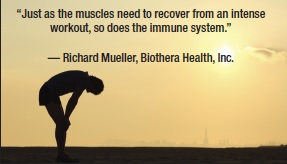
This is a known concern among those who can’t afford to be out of commission, according to Mueller. “Athletes, coaches and trainers are now recognizing that high-intensity exercise can temporarily weaken the immune system, making athletes more susceptible to unwanted downtime and lost training days,” he says. “Just as the muscles need to recover from an intense workout, so does the immune system.” As a result, immune health is front and center in the minds of those with active lifestyles, and Mueller explains that this represents an untapped opportunity in the sports nutrition industry.
Closing the window. How to protect against this altered immunity? Martoni says carbohydrate-rich drinks or food are important before and during a high-endurance workout to help curtail the release of stress hormones. A balanced diet with adequate protein, carbohydrates, healthy fats, vitamins and minerals provides a good baseline for a resilient immune system, he adds.
Natural supplements and ingredients can also help maintain the immune systems of athletes before and after intense exercise, according to Mueller. He cites peer-reviewed clinical research using his company’s Baker’s yeast-derived ingredient, including one study on marathon runners. It found that post-marathon intake of Wellmune reduced the average number of days subjects reported cold or flu symptoms compared to the placebo group (2). This and other results, he says, have fueled the development of products like a combined post-workout recovery and sleep aid supplement.
 Probiotics can help give high-endurance athletes a needed boost, according to Martoni. He describes one of his company’s formulas, which straddles the sports nutrition and immune support markets. It combines the probiotic strains Lactobacillus acidophilus DDS-1 and Bifidobacterium lactis BL-04, the latter of which he says has been found to support healthy immune function in athletes. The formula also contains betaine and vitamin D3, he adds.
Describing the effects of her company’s ingredient (IgYMax), Crum delivers egg-based antibody protection in addition to the protein athletes require for training. The antibody immunoglobulin Y (IgY) may help prevent bacterial adherence in the gastrointestinal system and modulate autoimmune reactions. The ingredient, Crum says, helps the body eliminate 26 common bacterial human pathogens. By helping to balance immune function, this ingredient can support joint, cardiovascular and intestinal health, she says.
Medicinal mushrooms can offer support for athletes, according to Eliaz, as they’ve been shown to promote immune cell activity and functionality. They may also help reduce oxidative stress and inflammation, help regulate glucose and support cardiovascular and respiratory health, he says. Eliaz lists the following mushroom species as noteworthy in the immune category: coriolus, reishi, agaricus, cordyceps, umbellatus and maitake.
According to Levy, plant sterols have also been shown to help balance immune responses. Sterols, he explains, can be defined as the plant equivalent of the cholesterol found in the human body. They’ve been found to help lower cholesterol in humans, and in the past several decades, mounds of evidence have linked plant sterols and sterolins to healthy immune function, he says. “But unlike many immune-specific supplements, phytosterols and sterolins don’t ramp up the immune response. Instead, they balance the body’s natural defenses so that they respond appropriately to threats without keeping the immune system on high alert,” says Levy.
|
Extraction Action Supplement companies dealing in botanicals or mushrooms have to figure out how best to deliver active beneficial compounds in their products. One of the most pivotal decisions in this process is the extraction method. Some nutrients that support immunity are better collected from the whole herb by using one extraction method over another. Isaac Eliaz, MD, MS, LAc., medical director of Amitabha Medical Clinic and founder of ecoNugenics, Inc., Santa Rosa, CA, says that herbs contain hundreds of 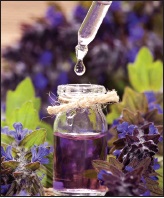 compounds, and some are water soluble (hydrophilic) while others are primarily fat soluble (lipophilic). compounds, and some are water soluble (hydrophilic) while others are primarily fat soluble (lipophilic).The proper solvent needs to be used to most efficiently extract each type of compound, says Eliaz. The extraction method must be selected with careful consideration for which active ingredients are to be emphasized in the end product. He says that his company conducts extensive research when formulating products to ensure that the extracts being used contain the appropriate active compounds. Many extracts available on the market are standardized to a particular concentration of active compounds to ensure consistency, Eliaz notes. “Hot water extraction is a traditional method for processing mushrooms and we follow this procedure for the majority of our mushroom extracts,” says Jeff Chilton, president and founder of Nammex, Gibsons, BC, Canada. Some mushrooms, like reishi and chaga, have important compounds for which water extraction is not ideal. Chilton says that in those cases, water extraction is followed with ethanol extraction. Using this dual extraction method assures the complete removal of the active compounds from the fibrous cell walls. Chilton believes shoppers should look carefully at supplement facts panels to see which plant part has been used and how the active compounds stack up to those in other products. Beyond alcohol vs. water solubility, Sandra Carter, MPH, Ph.D., founder of Mushroom Matrix, Carlsbad, CA, notes several other characteristics of the active compounds in mushrooms that supplement makers must consider. Some compounds prove to be insoluble, while others have varying degrees of sensitivity to temperature. “In the world of medicinal mushrooms and herbs, there are two basic approaches as to how to best process and use the products,” says Carter. One involves isolating and concentrating one or two active ingredients. As a consequence of the extraction process, other compounds not deemed necessary to the formula are discarded. The other approach, Carter says, focuses on harvesting and preparing the whole herb or mushroom and all of its nutritional compounds. The goal is for the acids, enzymes and probiotics in our digestive tracts to carry out the “extraction” and for the body to select the nutrients it needs. Carter says her company embraces the “whole food” concept with its mushroom products. There are compromises involved in either approach, she says. For example, unextracted mushroom products require larger daily doses than extracted products. |
Sterols have been shown to improve the balance of Th1 and Th2 immune cells, modulate inflammation, help combat fever and aid in the destruction of abnormal cells. Levy says sterols also help maintain the ratio of the adrenal hormones cortisol and DHEA, which helps prevent the negative immune consequences of stress.
Healthy athletes can certainly benefit from these effects of plant sterols. To be effective, the ratio of sterol to sterolin intake should be around 100:1, according to Levy. “The recommended dosage for immunity is typically 20 mg of plant sterols and 0.2 mg of plant sterolins three times per day,” he says.
Called the “master antioxidant,” Lovett explains that glutathione helps protect cells from the damage caused by toxins and oxidative stress. Her company’s glutathione ingredient (Setria) has been studied for its ability to replenish the body’s reserves, which she says can become depleted due to poor lifestyle choices, aging and stress. A new study in the Journal of the International Society of Sports Nutrition showed that supplementing with both Setria glutathione and L-citrulline increased post-exercise benefits (3). “Study participants showed increased and longer-lasting levels of nitric oxide in only seven days,” says Lovett.
Though physical activity is integral to maintaining health, Gillespie says it’s important that people understand how strenuous intense activity can be on the body, and that we need to give it recovery time. Vitamins like D and C, she says, are key in this recovery process. She adds that the need to support post-exercise recovery extends beyond the competitive athlete. “For example, the aging Boomer population is more active than ever and knows that daily physical activity is key to a vibrant life, but that should be balanced with supplements that support recovery, getting enough sleep and managing stress,” Gillespie says.
Probiotics and Enzymes
As probiotics become more entrenched in the mainstream, shoppers should be made aware of the major connection between probiotics and immunity. “It’s no secret that probiotics are an effective way to support digestive health. But these beneficial bacteria are also critical for a healthy immune response,” says Levy.
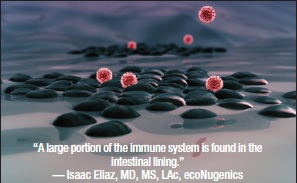
Probiotics colonize the intestinal tract, and this is primarily where they work their magic. “This makes sense, since a large proportion of the immune system is found in the intestinal lining, where outside meets inside,” says Eliaz. The average adult intestine has a population of over 400 distinct species of bacteria, he explains, most of which haven’t been identified yet.
More than a mere factor in immunity, the gut can be considered the largest immune organ in the body, according to Martoni. Similarly, the microflora of the gut have been called “the forgotten body organ” because of their vital yet underappreciated impact on health, he says. Bacteria like lactobacilli and bifidobacteria help the body resist bad bacteria, while also aiding digestion and nutrient absorption. Part of the role they play in immunity involves assisting in the maturation of immune cells, says Martoni.
Probiotics also help strengthen the barrier function of the intestinal wall, Levy explains, and they can help enhance immunity by stimulating production of natural killer and T cells. Beneficial bacteria also produce organic compounds like lactic acid, acetic acid and hydrogen peroxide. These compounds increase intestinal acidity, which helps prevent “bad” bugs from proliferating, according to Levy.
Another way probiotics promote immunity is by releasing bacteriocin, a natural antibiotic that kills harmful bacteria. Studies show supplementing with probiotics can help protect against many pathogens, such as E. coli, salmonella, and even the anti-biotic resistant Clostridium difficile, says Levy.
Studies have identified several of the genes modulated by probiotics and compounds derived from probiotics that are responsible for these immune benefits, according to Martoni. He says probiotics have been shown to regulate systemic and mucosal immune cell function, as well as the function of intestinal epithelial cells. As a result of these and other mechanisms, he says, probiotics have shown the potential to help with immune-related conditions like allergy and eczema. They have even been found to promote the effectiveness of vaccinations.
A recent study cited by Levy found that ingesting a specific trio of probiotic strains (Lactobacillus gasseri, Bifidobacterium bifidum and Bifidobacterium longum) promotes a beneficial shift in the bacterial profile of the gut, enhancing immunity in older adults (4).
One of the primary probiotic strains found to regulate immunity, Lactobacillus acidophilus, produces vitamin K and lactase. Most commonly found in the upper digestive tract, according to Crum, it can help the body fight viral, bacterial and fungal infections as well as alleviate allergy symptoms and decrease the likelihood of kidney stones.
Another key strain in the context of immunity is Bifidobacterium lactis, says Crum. It inhabits the intestines and colon, a nd its primary role in breaking down waste and helping to absorb vitamins and minerals. B. lactis has been found to help reduce intestinal permeability, improve oral health by fighting dental cavities and enhance immunity by reducing the frequency and severity of respiratory conditions, according to Crum.
nd its primary role in breaking down waste and helping to absorb vitamins and minerals. B. lactis has been found to help reduce intestinal permeability, improve oral health by fighting dental cavities and enhance immunity by reducing the frequency and severity of respiratory conditions, according to Crum.
To cover all bases in terms of strains and benefits, Gillespie recommends people invest in full spectrum probiotics that reside in both the small and large intestine. Because it can be difficult to identify which probiotics an individual might benefit from, she says choosing broad spectrum products is the safest bet.
Not all probiotic supplements are created equal, however. Levy notes that some commercial probiotics aren’t made to survive the acidity of the digestive system. He recommends that consumers look for specially cultured, non-dairy, heat-stable and stomach acid-resistant probiotics.
Levy also suggests that those taking antibiotics, dealing with digestive problems or suffering from Candida or frequent urinary tract infections may want to boost their probiotic intake higher than the average person.
Consumers are catching up to the reality that probiotics are fundamental to immune support, Hazels Mitmesser believes. She says that many products in the market, like her company’s chewable and liquid probiotics for adults and children, are now designed to deliver both digestive and immune health benefits.
Customers should know that probiotics are not the only way to target the digestion-immunity connection. “Probiotics introduce good bacteria but this is only one side of the equation. Prebiotics are also important yet less talked about,” says Crum.
Prebiotics, which include certain types of carbohydrates like fructooligosaccharides, are substances that encourage the growth and maintenance of probiotics, according to Eliaz.
“Imagine the gut flora like a garden: weeds compete with flowers for space and nutrients; inside the digestive tract, bad bacteria compete with good bacteria. If the gut environment is healthy, the bad bacteria will struggle to flourish,” says Crum. In this context, she explains that the targeted immunoglobulins in her company’s egg powder immune ingredient help make things hard on bad bacteria. In helping the body eliminate bacterial pathogens, IgY also promotes probiotic activity, she says. The ingredient “builds a roadmap for the immune system, and rebuilds the barriers inside the gut to prevent bad bacteria from spreading. IgY antibodies will also coat the mucosal membrane and make a protective barrier for bacteria entering both from the nose and the mouth,” says Crum.
Enzymatic action. Like probiotics, consumers may think of digestion when they hear enzymes. But also like probiotics, there is much to be said for the role enzymes in immunity. “Digestive enzymes can also provide important support, especially as we age and our own enzyme production slows,” says Eliaz.
Undigested food in the intestines, Eliaz explains, deprives the body of nutrients and also supports overgrowth of harmful bacteria. Furthermore, poor digestion fuels inflammation, degrades the lining of the gastrointestinal tract, and can generally wreak havoc on immunity, he says.
Hank Cheatham, vice president, marketing and sales at Daiwa Health Development, Gardena, CA, adds, “When the digestive system is not functioning properly, it impacts the body’s ability to digest protein, which is an essential component of the immune cells. A malfunctioning digestive system also allows pathogens to pass into the small intestines where they are absorbed into the bloodstream.”
A broad spectrum enzyme supplement, taken before meals, can support proper digestion and assimilation of nutrients, thereby reducing gut inflammation. Eliaz adds that the enzyme bromelain, derived from pineapples, can be taken in between meals for anti-inflammatory support.
Preliminary research indicates that digestive enzymes may benefit those with rheumatic conditions, and may assist with weight management as well, according to Levy. He sees enzymes as a partner to probiotics, calling them “a wonderful addition to probiotic formulas.” He says that enzymes can also work in conjunction with multivitamin supplements to promote immunity. Since research suggests that the body is less able to absorb vital nutrients as it ages, taking enzymes to help close this gap makes a lot of sense. “It’s a very smart and convenient way to supplement for optimal health,” says Levy.
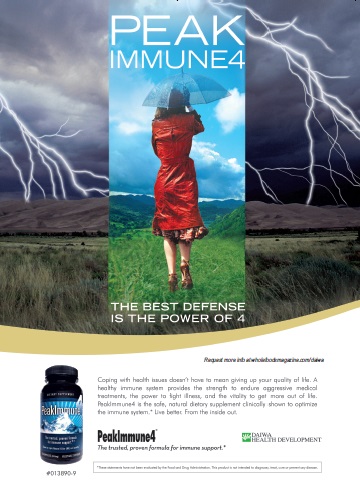
Another unique enzyme retailers should take note of is shiitake mushroom enzyme. Cheatham says his company produces the extract through a proprietary process to make an immune-support product (PeakImmune4, with Rice Bran Arabinoxylan Compound [RBAC] as the active ingredient).
“RBAC is a distinctive molecule made up of rice bran modified with the enzyme from shiitake mushroom,” he explains, noting that research suggests the supplement increases the activity and the count of white blood cells.
The shiitake mushroom enzyme breaks down certain bonds in the rice bran ingredient lowering its molecular weight, which allows it to be more bioavailable, better absorbed and have a better effect on the immune system.
“In clinical trials, RBAC in PeakImmune4 has shown that the activity of the NK cells and some of the other white blood cells has tripled or more than doubled,” says Cheatham.
Herb al Options
al Options
Herbs are met with strong shopper recognition in the immune support category. “Consumers are very familiar with immune-boosting herbs like echinacea or astragalus that stimulate an immune response,” says Levy. Tasked with suggesting an overlooked herb in the immune support space, Levy points to garlic.
Aging garlic is a means of enhancing its immune-stimulating capacity, according to Levy. His company uses a proprietary process in which organic garlic cloves are aged for up to 20 months. This converts unstable organosulfur compounds into odorless, non-irritating, and bioavailable compounds.
Preliminary evidence indicates that aged garlic extract (AGE) contains compounds that boost glutathione, which helps optimize macrophage function and protect disease-fighting lymphocytes from oxidative damage and cell death, says Levy. Glutathione accomplishes this in part by recycling vitamin C supplies, he adds.
Researchers found AGE reduces the duration of the common cold or flu by as much as 61 percent. In the same study, Levy says that 120 cold and flu sufferers also experienced a 21 percent reduction in the number of symptoms, and 58 percent of all participants had fewer missed days of work due to illness(5).
For her most overlooked herb, Gillespie points to andrographis. An Indian Ayurvedic herb used to help with infections and weakened immune systems, she says it is great for overall immune response. For all-around immune support, Gillespie says elderberry rises above the pack. “There is a wide body of research around its efficacy,” she says, adding that her company offers a formula combining elderberry and andrographis, as well as echinacea, vitamin C and zinc.
Eliaz turns our attention to modified citrus pectin (MCP), a “unique botanical” that counts immune support among its many benefits. He says MCP provides anti-inflammatory action and can assist with detoxification of heavy metals and environmental toxins. MCP, derived from the pith of citrus peels, is a specialized form of pectin that is absorbed into the bloodstream rather than passing through the intestines as normal pectin does, according to Eliaz.
Evidence exists that MCP can enhance the function of natural killer and other immune cells. MCP helps with detox by safely binding to and removing heavy metals, radioactive particles and other toxins, says Eliaz. “Most importantly, MCP is the subject of numerous studies demonstrating its ability to block the harmful effects of excess galectin-3, an inflammatory protein that drives a diverse array of degenerative conditions including cardiovascular disease, cancer, autoimmune disease, diabetes, liver and kidney fibrosis, and others,” he says (6).
Mushrooms. While they aren’t “herbs” by definition, mushrooms, particularly certain species, are stars of the immune health space, according to Carter. “Blends of several species of medicinal mushrooms can support a broad-based immune response and provide synergies that further enhance immune function,” says Carter.
Mushrooms can deliver immune benefits in part through their prebiotic qualities. Carter explains that the dietary fibers (soluble and insoluble) in mushrooms function as prebiotics to support a diverse and balanced probiotic community.
But the main mushroom attraction when it comes to immunity is their beta-glucan content. “Beta-glucan (long-chain polysaccharide) compounds in mushrooms enhance the activity of several types of immune cells including natural killer cells that attack and destroy pathogens and infected cells,” says Carter (7).
Advances in beta-glucan science have enhanced the mushroom supplement space. “For years, mushroom beta-glucans were difficult to analyze, but that has changed, and it’s now possible to measure the amount of beta-glucans in mushroom products,” says Jeff Chilton, president and founder of Nammex, Gibsons, BC, Canada.
H e explains that this breakthrough comes at a time when mushrooms are finally gaining mainstream acceptance. This makes it all the more important, he believes, for mushroom supplements to be fully supported by scientific quality control standards. Proper labeling of medicinal mushrooms is important, Chilton argues, because different preparations have different levels of active compounds. Choice of cultivation method, he says, can directly impact beta-glucan production.
e explains that this breakthrough comes at a time when mushrooms are finally gaining mainstream acceptance. This makes it all the more important, he believes, for mushroom supplements to be fully supported by scientific quality control standards. Proper labeling of medicinal mushrooms is important, Chilton argues, because different preparations have different levels of active compounds. Choice of cultivation method, he says, can directly impact beta-glucan production.
Beyond immune support, a 2013 study demonstrated the potential application of the Maitake mushroom extract, Maitake D-Fraction, a product of Mushroom Wisdom, in breast cancer chemoprevention and treatment. According to the study, data showed that D-Fraction, “suppresses the breast tumoral phenotype through a putative molecular mechanism modifying the expression of certain genes… involved in apoptosis stimulation, inhibition of cell growth and proliferation, cell cycle arrest, blocking migration and metastasis of tumoral cells, and inducing multidrug sensitivity.” (8) To use apoptosis as an example, through the activation of genes such as BAK1, D-Fraction was found to induce apoptosis—the programmed cell death of unnecessary or threatening cells—of MCF-7 breast cancer cells. By inducing the overexpression of proapoptotic genes and downregulating P13K-AKT signaling, associated with the formation and progression of a variety of tumors, D-Fraction can potentially prevent the formation or slow the progress of breast cancer.
Other active ingredients contained in mushrooms, per Carter, include vitamin D2, selenium compounds and an array of immune-supporting antioxidants. Supplemental enzymes can also be extracted from mushrooms. Carter says mushroom mycelium (the “roots” of mushrooms) produces enzymes including protease, lipase, xylanase, amylase, pectinase, cellulase and hemicellulase. She says that mycelial biomass can be processed to preserve the activity of these enzymes, making it a valuable source of supplemental enzymes. WF
References
1. Z. Ahmadinejad, et al., “Common Sports-related Infections: A Review on Clinical Pictures, Management and Time to Return to Sports,” Asian J Sports Med. 5(1):1-9 (2014).
2. B.K. McFarlin, et al., “Baker’s Yeast Beta Glucan Supplementation Increase Salivary IgA and Decreases Cold/Flu Symptomatic Days After Intense Exercise,” Journal of Dietary Supplements 10:171-183 (2013).
3. S. McKinley-Barnard, et al., “Combined L-citrulline and Glutathione Supplementation Increases the Concentration of Markers Indicative of Nitric Oxide Synthesis,” J. Int. Soc. Sports Nutr. 12:27 (2015).
4. S.J. Spaiser, et al., “Lactobacillus gasseri KS-13, Bifidobacterium bifidum G9-1, and Bifidobacterium longum MM-2 Ingestion Induces a Less Inflammatory Cytokine Profile and a Potentially Beneficial Shift in Gut Microbiota in Older Adults: A Randomized, Double-Blind, Placebo-Controlled, Crossover Study,” J. Am. Coll. Nutr. 24:1-11 (2015) [Epub ahead of print].
5. M.P. Nantz, et al. “Supplementation with Aged Garlic Extract Improves both NK and gamma delta T cell Function and Reduces the Severity of Cold and Flu Symptoms: A Randomized, Double-Blind, Placebo-Controlled Nutrition Intervention,” 31:337-344 (2012).
6. M. Kolatsi-Joannou, et al. “Modified citrus pectin reduces galectin-3 expression and disease severity in experimental acute kidney injury,” PLoS One 6(4):e18683 (2011).
7. L. Vannucci, et al. “Immunostimulatory Properties and Antitumor Activities of Glucans (Review),” Int. J. Oncol. 43:357-364 (2013).
8. Noelia Alonso, Eliana et al. “Genes Related to Suppression of Malignant Phenotype Induced by Maitake D-Fraction in Breast Cancer Cells,” J Med Food 16 (7):602–617 (2013)
1. Z. Ahmadinejad, et al., “Common Sports-related Infections: A Review on Clinical Pictures, Management and Time to Return to Sports,” Asian J Sports Med. 5(1):1-9 (2014).
2. B.K. McFarlin, et al., “Baker’s Yeast Beta Glucan Supplementation Increase Salivary IgA and Decreases Cold/Flu Symptomatic Days After Intense Exercise,” Journal of Dietary Supplements 10:171-183 (2013).
3. S. McKinley-Barnard, et al., “Combined L-citrulline and Glutathione Supplementation Increases the Concentration of Markers Indicative of Nitric Oxide Synthesis,” J. Int. Soc. Sports Nutr. 12:27 (2015).
4. S.J. Spaiser, et al., “Lactobacillus gasseri KS-13, Bifidobacterium bifidum G9-1, and Bifidobacterium longum MM-2 Ingestion Induces a Less Inflammatory Cytokine Profile and a Potentially Beneficial Shift in Gut Microbiota in Older Adults: A Randomized, Double-Blind, Placebo-Controlled, Crossover Study,” J. Am. Coll. Nutr. 24:1-11 (2015) [Epub ahead of print].
5. M.P. Nantz, et al. “Supplementation with Aged Garlic Extract Improves both NK and gamma delta T cell Function and Reduces the Severity of Cold and Flu Symptoms: A Randomized, Double-Blind, Placebo-Controlled Nutrition Intervention,” 31:337-344 (2012).
6. M. Kolatsi-Joannou, et al. “Modified citrus pectin reduces galectin-3 expression and disease severity in experimental acute kidney injury,” PLoS One 6(4):e18683 (2011).
7. L. Vannucci, et al. “Immunostimulatory Properties and Antitumor Activities of Glucans (Review),” Int. J. Oncol. 43:357-364 (2013).
8. Noelia Alonso, Eliana et al. “Genes Related to Suppression of Malignant Phenotype Induced by Maitake D-Fraction in Breast Cancer Cells,” J Med Food 16 (7):602–617 (2013)
Published in WholeFoods Magazine, November 2015