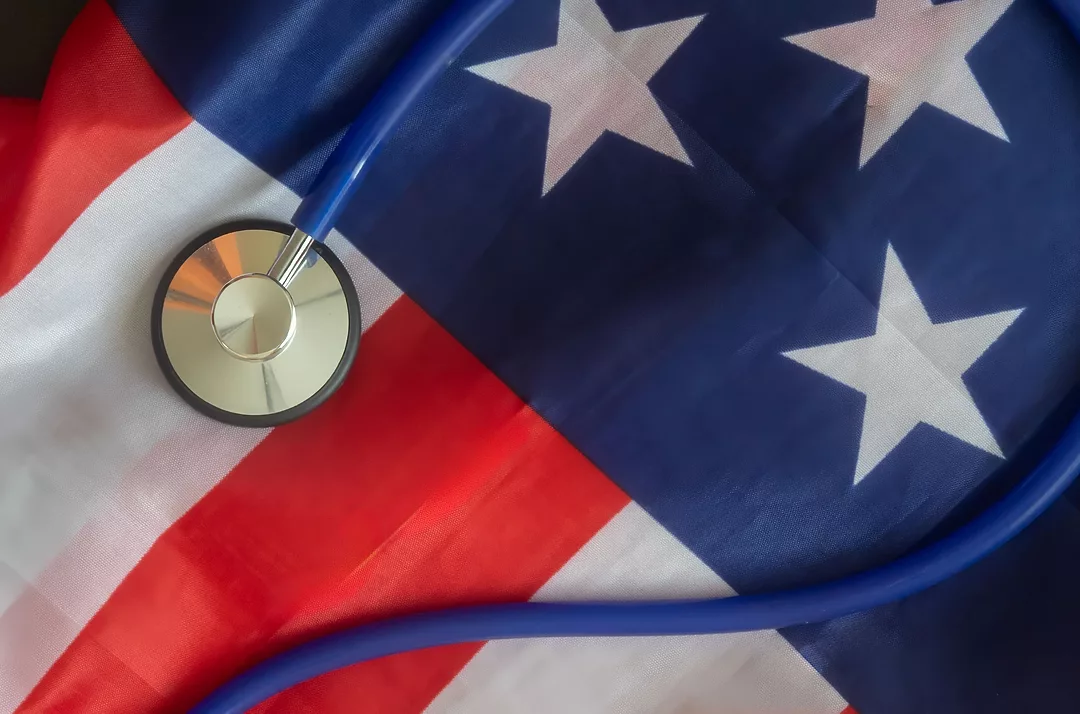
There’s a movement going around, ostensibly designed to improve the health of Americans. A few people on Capitol Hill still refer to it as Make America Healthy Again (MAHA). You likely remember that highly anticipated MAHA report that arrived on the Hill in May, whose primary author appears to be the Department of Agriculture. The report’s substantive recommendations rest primarily with the elimination of newly branded Ultra-Processed Foods, or UPFs. It’s catchy enough that states, like Florida, are picking up the banner and working on bills to ban UPFs. And yes, there is also a continued effort to ban vaccines under a redefined version of the Health Freedom movement mantle.
SNAP benefits are front and center these days. It has become quite the target for States seeking fast remedies that enable generation after generation cheap access to junk food in the SNAP program. Iowa, Indiana, Utah, and Arkansas, among others, are taking the lead here. Texas has legislation to Make Texas Healthy Again. It includes restriction of SNAP benefits for the purchase of “junk food,” and banning certain chemicals and additives from public school lunches. Legislation has already passed creating a “Texas Nutrition Advisory Committee.” Interestingly, the law also mandates 30 minutes of exercise for Pre-K through 8th grade public school students.
States have been enabled by the government’s decision to approve waivers that “amend the definition of 'food' for purchase” with SNAP benefits to exclude items deemed “unhealthy.” This includes soda, candy, sweetened beverages and prepared desserts. A moot point at the time of this writing, given the U.S. Congress preparation to withhold SNAP benefits because of a government shutdown. It must be noted the lack of urgency related to ensuring parents are able to provide food on the table because of a government stand-off is beyond the pale. It's also incongruent with publicly stated objectives to improve health outcomes.
At the same time some “healthcare reformers” are seeking an investment in preventive care and expansion of training. There is legislation in California to fund master’s-level nurse-midwifery programs aimed to strengthen the maternity/ midwifery workforce. They also hope to expand tele-health. California has already expanded state government oversight. And to that end, Washington, Illinois, Virginia, and Maryland all have bills to prohibit the sale of weight loss and muscle building supplements for minors.
Same day, different problems? Perhaps. Chaotic? Of course. An opportunity? Indeed. It is easy to bucket the issues into red and blue state packages. However, it’s not a useful approach. Perhaps it's time to reframe the seemingly disparate concepts of federal and state and dust off the old “you are what you eat.”
How must an industry committed to wellness through a healthy diet, clean air and water, and dietary supplementation that supports a healthy immune system, respond to 50+ disparate strategies being imposed on more than 341 million citizens? It’s time to meet people where they are and quit telling them what to do, or not do.
Adopt a State
Hear me out. Corporations have been sponsoring highway clean-up, funding public school infrastructure initiatives, and underwriting health care events and races for decades. What if we utilized our state-based resources to create a collaborative conversation that results in a thoughtful, open-minded, data-driven platform for defining what is needed to secure a healthy future for the constituents of (insert state name). There is absolutely no need for our industry to tell people what is wrong. Legislators, regulators, and health practitioners know what the problems are. What they may not know is what our industry has to offer in ways of expertise and knowledge.
Our local retailers are the front line to changing health outcomes for individuals. Our local skilled practitioners can articulate the health challenges their constituents face better than anyone. Our local supply chain members understand the power of supplementation and its relationship to healthy food, and can articulate how we define quality and ensure consumer safety. Collectively we understand the financial impact of health and disease on the economy. State legislators need to have outcomes-driven data to create rational policy. We have the research, technology and data they need. We can, and must, support them in their efforts to improve health outcomes in measurable and meaningful ways.
We all need to be creating relationships. Upset may be optional, but co-habitating on Earth is not. Let’s enable success by putting our differences aside and finding common ground in our love for health and humanity. Let’s leave the wins and losses to the professional athletes. Let’s instead reinvigorate our relationships with our neighbors, constituents, communities and support informed leaders who are doing the best they can, in a frankly chaotic world. For the sake of “what” will you teach, strengthen, and improve life in your community?