Ingredient labels are under heightened scrutiny from consumers and regulators alike, and that’s creating opportunities for companies in the natural space. “Demand has shifted toward simpler, more natural ingredients, with consumers seeking products made with components they can recognize, pronounce, and understand,” says Elizabeth Horvath, Vice President of Global Marketing at Kerry. “Although this movement isn’t new, it has intensified.While cost and convenience will continue to drive choices for many, there’s growing space and desire for brands to reformulate with natural flavours, reduced sugar, and cleaner labels.”
Indeed, 27% of consumers are trying to limit intake of ingredients perceived as bad for them, including artificial preservatives, sweeteners, and additives, Innova Market Insights reports. The U.S. Food and Drug Administration (FDA) added to the pressure in April, when it announced a ban on FD&C Red No. 3 starting in 2027.
“It’s an exciting time,” says Philip Caputo, Marketing & Consumer Insights Manager, Virginia Dare. “Shifts in consumer demands are pushing developers to be more creative than ever. We’re seeing innovation not only in the kinds of flavors used but also in strategies for achieving familiar and appealing sweetness and color.”
Savvy product developers are reformulating with clean-label ingredients that deliver functional benefits, adds Kash Rocheleau, CEO, Icon Foods. “At Icon, we’ve seen a sharp shift in demand toward natural alternatives, especially those that are multifunctional. It’s not just about cleaning up the label anymore—it’s about making ingredients work harder. Brands want sweeteners that don’t spike blood sugar, fibers that support gut health and deliver on texture, and flavor systems that elevate the product without masking anything. From where I sit, some of the most exciting innovation is happening in how we rethink the role of sweeteners, flavors and colors—not just as standalone ingredients, but as part of a broader functional system.”
Transparency is critical, Rocheleau adds. “Consumers want to understand what’s in their food and why it’s there.Brands that can decode the label for them and offer real clarity are going to win.”
Consumers also continue to be concerned with sustainability, says Mauro Trevisani, General Manager North America and Division Manager Taste Modulation Solutions, HTBA. “Traceability and low environmental impact are shifting from differentiators to non-negotiables, making natural, responsibly sourced ingredients essential for global brands.”
Fortunately, brands looking to meet these consumer demands have an abundance of innovative offerings in natural colors, sweeteners, and flavors to experiment with in R&D. Read on for a look at the latest clean label ingredients and trends that are fueling growth.
Plant-Powered Colors
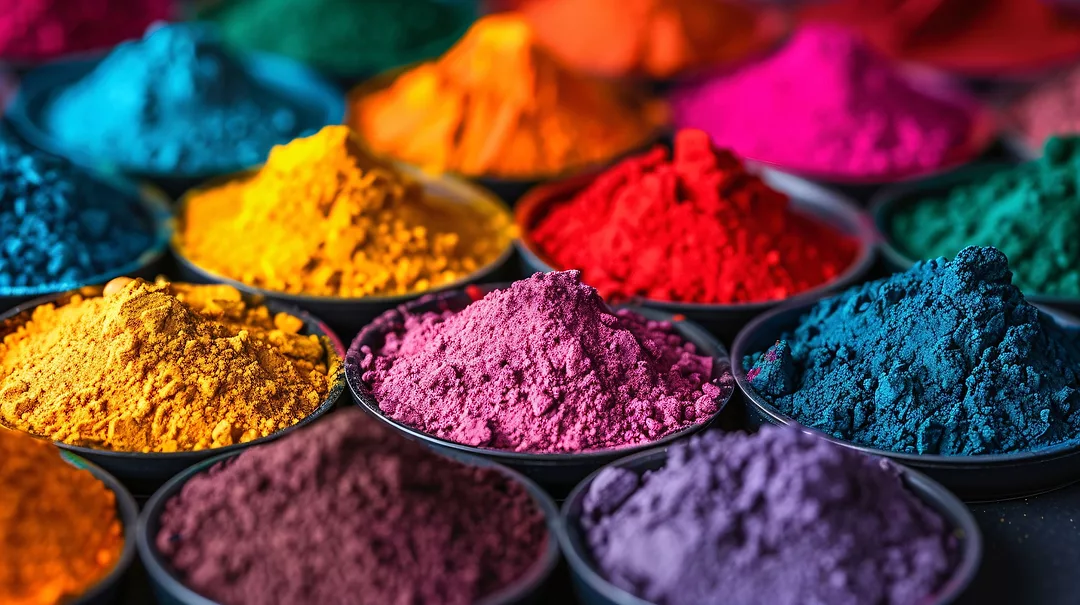
Natural colors hold greater appeal than ever as CPG brands look to future-proof their products against additional regulations. That said, working with natural colors can pose challenges. “The simple idea is that where FDA may take away some or all artificial colors, it will approve other natural colors to use in their place. While this simple idea looks straight forward, it is anything but. Natural colors are not as heat-stable, light stable, or pH stable as artificial colors,” says Stephen J Lauro, President of colorMaker, Inc. “In addition, natural colors are far weaker than artificial colors, making their cost-of-use significantly higher. In fact, natural colors may cost as much as 10x higher than artificial colors. Such are the challenges for 2026!”
Differences in how natural colors function require formulators to consider color at the start of the development cycle. “In the past, artificial colors were an end-of-cycle decision,” says Lauro. “At the end of the product development cycle, the processor would simply add an artificial color to visually improve the appearance of the product. This does not work with natural colors. Finally, processors understand this critical difference and invite colorMaker to participate in the beginning of the product development project, rather than the end.”
Adding good news for innovation: “Ongoing research has led to a broader range of sources for use as food color," says Dana Osborn, Marketing Manager, California Natural Color. "Advances in technology will continue to improve stabilization and pigment strength of natural colors. The technology we use at California Natural Color delivers a unique crystal format that’s stable and results in color that is about five- to 10-times the strength of liquid color. Solutions like our crystal colors help simplify logistics—they do not require refrigeration and are shelf stable at ambient temperature for up to five years—giving brands the flexibility when operating on a global scale.”
Natural color manufacturers are equipped with the expertise to help brands find the right color solution for their products, adds Alice Lee, Technical Marketing Manager, GNT USA. The shift isn’t about swapping one dye for another—it requires rethinking which color performs best for a given product and process. "At our application labs and Customer Experience Center in Dallas, NC, we replicate recipes, run accelerated and real-time stability testing, and work side-by-side with manufacturers to speed development and reduce risk. For example, a red from black carrot performs beautifully in an acidic beverage but requires a different approach in dairy. We also pioneered the use of spirulina for blue shades over 30 years ago. It’s naturally vibrant, but its sensitivity to heat and acid limited its use in beverages in particular. That challenge led us to develop our patented Blue for Beverages technology, which stabilizes spirulina and enables it to be used in a wide range of drink applications.”
Smarter Clean Label Sweeteners & Flavors
“Consumers are increasingly aware of the link between diet and long-term health,” says Kelli Heinz, VP of Marketing & Industry Affairs, Bell Flavors & Fragrances. “According to Mintel, 74% of consumers believe a healthy diet is low in sugar; 67% are actively trying to reduce their sugar intake. This shift has created strong opportunities for solutions like Bell Flavors & Fragrances’ BellTech SweeTech. This flavor technology is designed to reduce sugar while maintaining full flavor, enabling brands to meet consumer expectations, while also aligning with guidance from organizations such as the World Health Organization, which recommends a 54% reduction in sugar consumption for the average consumer.”
Naturally derived solutions like sweet proteins, fruit concentrates, and custom taste modulation systems also help reduce added sugars without compromising flavor, Caputo says. “Services like ours let brands meet the call for ‘less sugar’ while still delivering products people enjoy and want to continue purchasing.”
Another proprietary sugar reduction ingredient: “Kerry’s Tastesense Advanced, the latest innovation in our Sweetness Optimisation portfolio, enables beverage manufacturers to achieve ‘No Added Sugar’ or ‘Zero Sugar’ claims while maintaining the sweetness perception, mouthfeel, and clean label requirements that drive repeat purchase,” says Horvath.
Stevia is still a reigning natural sweetener, and new tech helps improve the taste and cost, maintains Amber McKinzie, Marketing Manager, Cargill. “We use fermentation to produce our EverSweet stevia sweetener, enabling us to access the best-tasting stevia components in a scalable, cost-effective and sustainable way.”
Allulose shows promise for more widespread adoption, says Ravi Arora, Director of Sales & Marketing, Global Organics. “Recent innovations focus on producing organic allulose from agave through enzymatic processes. Broader adoption, however, has been limited by regulatory barriers—most notably in Canada, where it is classified as a ‘novel food’ and not yet approved for sale.”
Also making waves: “I’m especially intrigued by enzymatically modified steviol glycosides and next-gen rare sugars,” muses Rocheleau. “The goal isn’t just to match sugar’s sweetness anymore but to match the experience: the mouthfeel, the onset, the clean finish, all without the metabolic chaos.”
Honey, maple syrup, coconut sugar, and date syrup also will see increased adoption, particularly in products positioned as ‘natural’ or ‘clean label,’ adds Caputo. “These ingredients are often highlighted for their additional nutritional benefits and familiar image.”
On the flavor front: “Natural flavor modulators are evolving beyond taste, offering added benefits such as gut health and metabolic support. Solutions that support mood and cognitive support are also continuing to grow in popularity, so taste modulators that work seamlessly with adaptogens and nootropics will be in high demand,” says Trevisani. “Another breakthrough on the horizon is precision taste design. Powered by advances in sensory science and AI, it enables more targeted use of modulators, reducing trial-and-error and accelerating the path to market.”
Horvath adds: "Looking ahead, we’re equally energized by emerging savory flavour science with advancements in kokumi, umami, and fermentation to unlock newer, richer and more complex flavor experiences when salt is reduced. Kerry’s Tastesense Salt technology typically helps brands cut sodium by 25-30%, and up to 60% in some applications without compromising on taste.”
Brands may also need to explore solutions to counter taste issues that come with natural colors, adds Leanne Pinsonneault, Senior Food Scientist, Cargill. “Derived from fruits, vegetables and spices, many natural colors bring along flavors that clash with a product’s intended taste profile. Reformulating can help manage those effects. For example, Cargill offers a range of complementary ingredients that can be used in lower Flavors with Modifying Properties (FMP) levels to help mask their bitter, astringent, metallic ovegetative notes.”
Supply Chain Challenges
Natural flavors can help brands navigate supply chain issues. “As we move into 2026, brands should anticipate continued volatility in key commodities such as cocoa, citrus, and coffee, driven by crop diseases, climate change, and rising global demand,” warns Horvath. “According to the International Cocoa Organization (ICCO), the cocoa industry experienced a 15% shortfall in the 2023/2024 season, contributing to highly volatile prices that are now nearly triple those in 2023, placing pressure on manufacturers to maintain both cost efficiency and product quality. Similarly, citrus supply has been disrupted by greening disease, poor harvests, and extreme weather events, with orange juice prices experiencing significant volatility since 2019. These challenges affect the availability, quality and consistency of commodity ingredients and flavours, forcing brands to reformulate while balancing cost, taste, supply and sustainability considerations.”
Kerry offers taste solutions Cocoa Boosters to enable customers to reduce cocoa powder content by up to 50% without compromising the sensory profile consumers associate with chocolate flavor profiles. In addition to cost saving, it enables up to 48% carbon emission reductions compared to cocoa powder, Horvath says.
“Similarly, our Sustainable Citrus Extenders to replicate authentic citrus taste while lowering citrus oil content by up to 75%,” adds Horvath. “In response to reduced quality and availability, our JuiceXcel solutions enable brands to reduce juice content in beverages by up to 50% without compromising the juicy, citrus taste, aroma, and mouthfeel, while supporting cost-efficiency, supply chain pressures and product quality.”
Looking ahead, one of the biggest hurdles we’ll all have to navigate—whether formulating snacks, beverages, supplements—is the growing challenge of tariffs, notes Rocheleau. “There’s no getting around it anymore. As much as we’d all love to play ‘ingredient Tetris’ and source around them, in many cases the functional ingredients, natural colors or specialized flavor compounds we need only come from a handful of countries. And some of those countries don’t have favorable tariff rates. That’s just the reality we’re up against.”
As a formulator, Rocheleau advises, you’re not just thinking about taste, texture and label claims anymore. You’re running cost models, understanding origin-based duties and figuring out where you have wiggle room. It’s going to force a strategy shift. “We’ll start to see more ‘dual source’ formulations, where brands develop Plan A and Plan B specs based on availability and economic feasibility. We’ll also see more transparent communication between suppliers and brands about what’s realistic in this climate.”
The good news, Rocheleau adds, is there’s still a huge appetite for better-for-you innovation. “The brands who get scrappy—who work with their supply chain partners, understand the economic landscape and don’t wait for the perfect scenario—will be the ones who win. The playing field is changing, but the opportunity is still there.” WF
Sweeteners: Deep Dive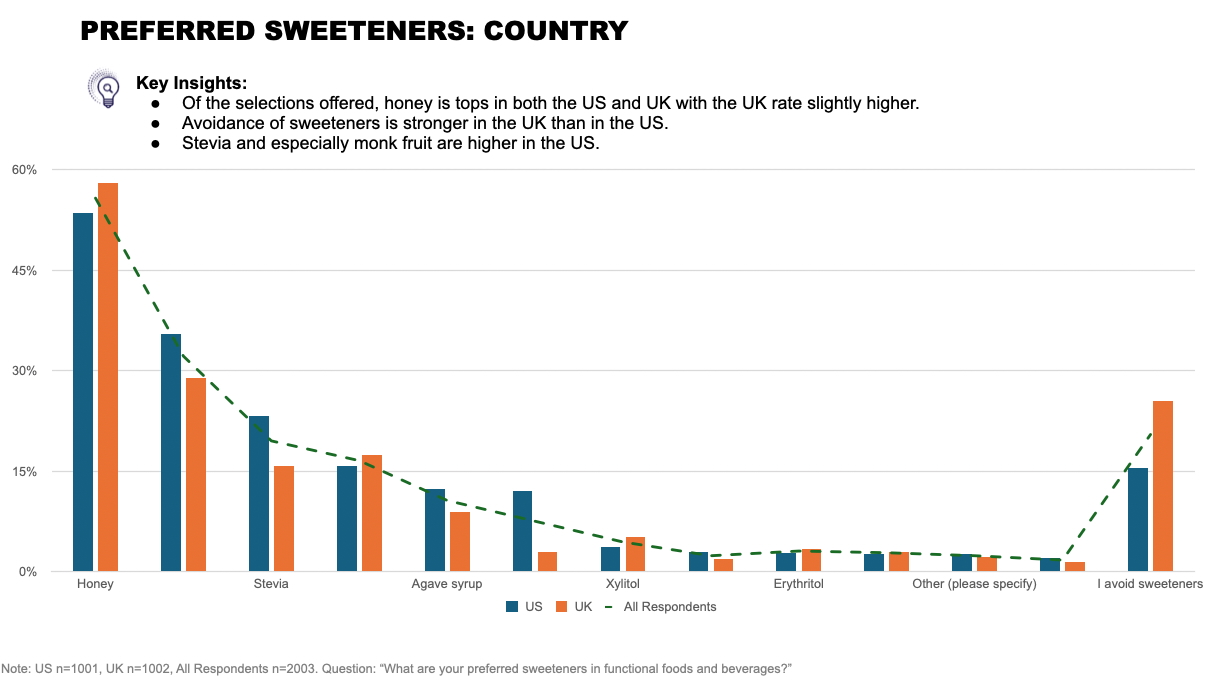
Source: Industry Transparency Center