RSS
RSS
Sweets, Snacks, and the New Better-for-You Mood
July 3, 2026
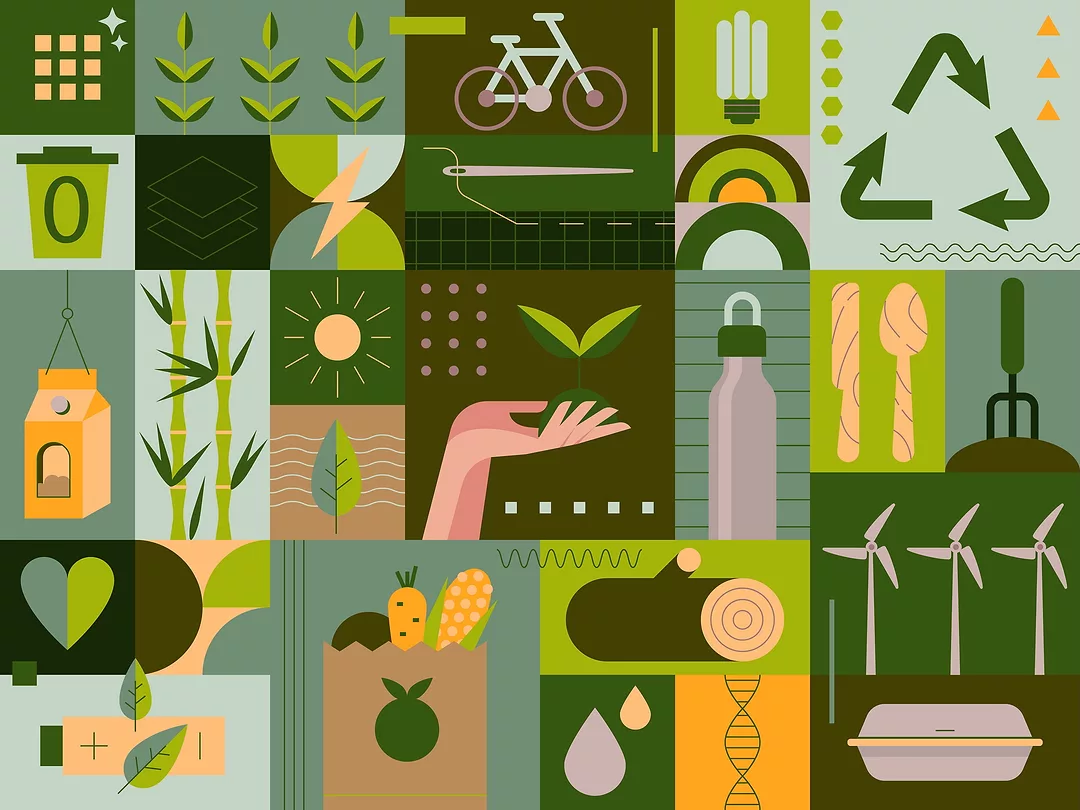
This year’s Climate Week NYC marked a turning point for the food industry. For the first time, food systems were not a side conversation; they were the center of climate solutions. After attending dozens of food-focused events throughout the week, I saw a new maturity in the dialogue: The world is finally recognizing that transforming food systems is inseparable from tackling climate change and safeguarding human health.
Historically, food was a peripheral topic in climate discussions, despite accounting for nearly 30% of global greenhouse gas emissions and using almost half of the world’s habitable land. The reason? The food sector is deeply fragmented with thousands of actors, from farmers to retailers and every step in between, each holding a piece of the puzzle. Unlike energy, where a handful of companies can shift the landscape, no single food company, or even the top 20, can solve this alone. Partnerships across the entire value chain, from farm to fork, are not just necessary; they are fundamental.
Let me offer an analogy: Think of nature as the human body, and climate change as the viruses that attack us. If our immune system is weak – if biodiversity, soil health, and water systems are degraded – then the body (our planet) cannot function. When nature’s immunity is compromised, climate shocks hit harder and threatens food security, affordability, and ultimately, our survival. We can live without the newest technology, but not without food.
The food industry must ground its narratives in science: nutrition science, environmental science, and the science of taste. This was a hot topic across conversations happening in every corner during Climate Week. Transparency is key – and science is proof. For example, Kerry created the Kerry Health and Nutrition Institute (KHNI) to ensure our work is rooted in evidence, not opinion. Tackling disinformation and greenwashing is essential. Only with credible, transparent storytelling can we build trust and drive real change.
The conversation has shifted into action. It’s no longer enough to make commitments; we must invest, act, and measure progress. Sustainability is now a core value driver in business, not a “nice to have.” Investors are looking for ROI-driven sustainability. Companies must embed these principles into their strategies, operations, and deal-making. I personally noticed a marked increase in investor attendance at food-focused events, surpassing last year’s turnout.
Kerry is scaling regenerative ingredient sourcing, innovating in upcycled and alternative proteins, reducing food waste, enabling eco-design, and circularity in food systems. Our work in regenerative dairy in Ireland and the U.S., our food freshness solutions, upcycled cheese taste and stocks & broths businesses, and our focus on making alternative proteins delicious and nutritious are just a few examples. We are committed to supporting farmers, partnering across the value chain, and using science to guide our journey.
The health of our planet and people are intertwined. To succeed, we must nourish both. The food industry has a unique opportunity, and responsibility, to lead on climate. Let’s move from talk to action, from fragmentation to collaboration, from pledges to measurable progress. Echoing the theme at this year’s Climate Week NYC: The time is now.