RSS
RSS
Sweets, Snacks, and the New Better-for-You Mood
July 3, 2026

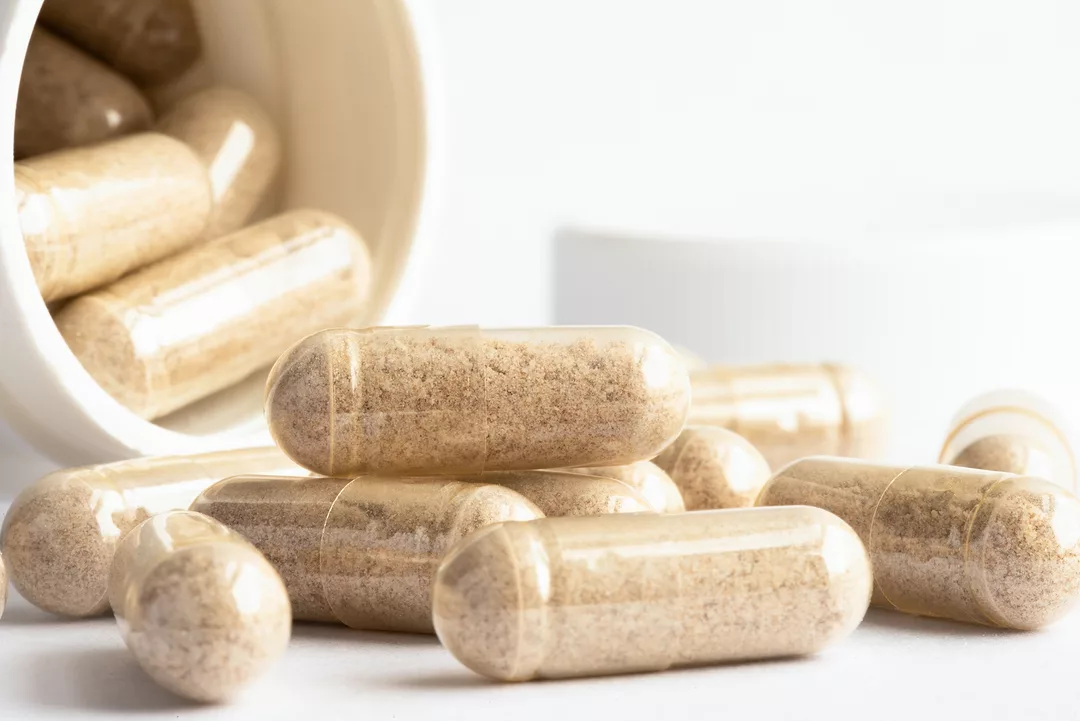
While September is Prostate Awareness Month, much of the spotlight will be on prostate enlargement, known as Benign Prostatic Hyperplasia, and related Lower Urinary Tract Symptoms (LUTS), which are closely interrelated. BPH causes LUTS, which is a cluster of symptoms, not a diagnosis like BPH. Experiencing LUTS can signify other prostate disorders.
There were approximately 94 million cases of benign prostatic hyperplasia in 2019, according to a 2022 study published in The Lancet Healthy Longevity, compared with 51.1 million in 2000. The authors assert, “The absolute burden of benign prostatic hyperplasia is rising at an alarming rate in most of the world.”
Prevalence of BPH cases in men in their 70s is 50%, research shows. The prostate volume increases with age, with a growth rate of 2 to 2.5% per year.
As men enter middle age, hormones begin to fluctuate, specifically dihydrotestosterone (DHT), which converts to testosterone through the enzyme 5-alpha-reductase in the prostate gland. In the prostate’s transition zone, the excess DHT binds to androgen receptors normally occupied by testosterone, a process that leads to cell proliferation and decreased apoptosis. This reaction creates an abundant of prostate cells that cause the gland to enlarge.
As the prostate grows, it puts pressure on the urethra, which increases the feelings of urinary urgency leading to frequent urination. Other symptoms men will notice include a weak urine stream, urination initiation hesitancy, which may cause straining, incomplete bladder emptying, and dribbling.
Increased frequency day and night—specifically having to get out of bed many times to urinate—is also a key symptom. Men with enlarged prostates will likely experience the urge to urinate three times or more per night.
Urologists diagnose BPH or LUTS by assessing symptom questionnaire responses, medical and lifestyle history, along with a digital rectal exam.
When BPH is diagnosed, doctors often turn to prescription options such as tamsulosin, which helps relax the prostate and bladder muscles, or finasteride, which works by shrinking the prostate. While these medications can be effective, they sometimes come with unwanted side effects—tamsulosin may cause dizziness and sexual side effects such as difficulty with ejaculation, while finasteride has been linked to lower sex drive and erectile dysfunction.
An intriguing alternative for many men is supplementing with saw palmetto (Serenoa repens). Market research data from Fact.MR suggests that up to 20% of men with prostate issues in urology clinics use saw palmetto alone or with other therapies. Based on studies done on European herbal drug Permixon and high quality USP-verified saw palmetto that meets the USP monograph, there is strong evidence on the clinical benefits of fatty acids in saw palmetto inhibiting excessive DHT from binding to androgen receptors in prostate and also reduces inflammation. A USP Verified Saw Palmetto extract like USPlus will improve urinary flow and reduce urgency and frequency to boost quality of life in men. The fatty acids in saw palmetto are also known to relax smooth muscles such as the urethral muscles and bladder. This will results in less straining and better emptying of bladder for men.
Because saw palmetto has no known adverse effects, men seem to be gravitating to incorporating it into their daily supplement regimens. The Fact.MR research projects that sales of the herb may likely reach $358.5 million by 2033, from an estimated $156.4 million last year. Further, North America is expected to account for approximately 27% of the global saw palmetto market by 2034.
The key challenge to growth, according to the same report, is “controversies surrounding efficacy and safety of saw palmetto supplements.” Indeed, saw palmetto supplement quality varies. ConsumerLab has tested saw palmetto products several times since 2000 and has found consistently that some have failed because they lacked sufficient active ingredients and/or exhibited presence of contaminants and residual pesticides. One product was likely spiked with undeclared oils to increase fatty acid and sterol levels.
A 2023 study published in the Journal of Urology Open Plus noted that “inconsistency in product standards” is the top reason why physicians are reluctant to recommend saw palmetto products for men concerned about BPH and prostate health. Further, a 2023 Dietary Supplement Verification Program (DSVP) Brand Tracker report (unpublished) finds that supplements with USP verification are the number-one quality-approved products recommended by physicians, pharmacists, dietitians, and nutritionists.
Science has shown that authentic lipidosterolic extracts of saw palmetto can help support prostate health, but only if the extract meets clinical and pharmacopeial standards. There is evidence that some products sold as “saw palmetto” are diluted or made with cheaper oils that mimic the plant’s profile but fail to deliver results.
American Botanical Council (ABC) Chief Science Officer Stefan Gafner, Ph.D., cautioned that some dietary supplement products claiming to contain saw palmetto are sometimes made from lower-cost adulterated ingredients that do not deliver their claimed or implied health benefits. “ABC has documented such fraudulent health practices in publications from the ABC-AHP-NCNPR Botanical Adulterants Prevention Program (BAPP), a 14-year program that has published extensively peer-reviewed and authoritative technical documents that provide industry quality control and regulatory experts proper guidance on identifying and preventing the sale of fraudulent ingredients, including saw palmetto,” he said.
“BAPP’s Saw Palmetto Botanical Adulterants Prevention Bulletin documents the presence of low-cost fraudulent ingredients in some so-called saw palmetto extracts and dietary supplement products. Such adulterants include low-cost vegetable oils, as well as animal fats that are combined to try to mimic the natural component ratios of true saw palmetto extract,” added Dr. Gafner.
A 2024 study published in The Canadian Journal of Urology found that men who supplemented with a lipidosterolic extract of saw palmetto began to see results in as early as six weeks and for 12 weeks experienced significant improvements in uroflowmetry parameters with increased flow rates and well as improved quality of life scores. Positive findings have led the authors to conclude that the USP-verified saw palmetto extract “shows some promise in reducing LUTS and improving uroflowmetry parameters especially (in men) with baseline moderate symptoms.”