Dr. C. Michael White, Pharm.D., FCP, FCCP, FASHP, is a distinguished professor and department head of the University of Connecticut School of Pharmacy, where his teaching focuses on clinical pharmacology, natural products, ethics, and leadership. He serves as chair of the Kratom Consumer Advisory Council, an independent body of the Global Kratom Coalition.
FDA is Right to Restrict 7-hydroxymitragynine (7-OH) Products
Here's why FDA’s intent to schedule 7-OH products is smart, science-based policy.
On July 29, the FDA announced it would seek to restrict 7-OH under the Controlled Substances Act, two weeks after the Administration issued warning letters to seven 7-OH manufacturers.
The FDA’s intent to schedule 7-hydroxymitragynine products is smart, science-based policy. As a clinical pharmacologist who’s studied kratom and its alkaloids extensively, 7-OH products are potent, opioid-like compounds, with a high potential for abuse—wholly distinct from natural leaf kratom with its natural balance of active ingredients.
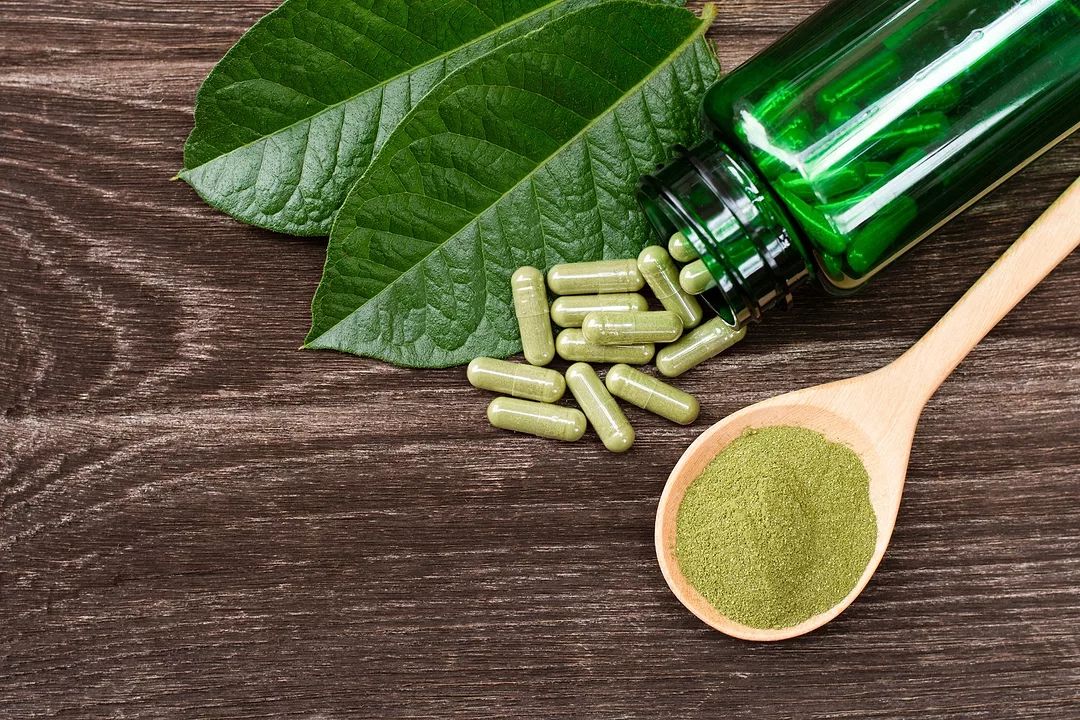
Occurring naturally, kratom is teeming with alkaloids that do a variety of things in the body. They mostly boost serotonin and alpha-adrenergic receptors with very little opioid-like effects. 7-OH appears only in trace amounts in dried kratom leaf material. In contrast, “7” products chemically convert the low risk alkaloid mitragynine in kratom leaves into the highly potent opioid receptor stimulating 7-OH and isolate and concentrate it in these products.
Recent regulations on kratom are meant to reflect this reality, limiting 7-OH to 1% to 2% of a kratom product’s alkaloid content. This way, kratom products follow the lead of the plant (Mitragyna speciosa) and its hundreds of years of safe and traditional use in Southeast Asia.
“These products may not be clearly or accurately labeled as to their 7-OH content,” the FDA’s press release reads, “and are sometimes disguised or marketed as kratom.”
Under the Controlled Substances Act, drugs, substances, and certain chemicals are placed into one of five schedules based on medical use, potential for abuse, and safety or dependence liability. The Drug Enforcement Agency reviews the FDA’s recommendations and has the final authority on scheduling—a process that includes a period for the public to provide comments.
It’s encouraging to see proposed federal regulations reflect the general consensus of kratom consumers and major kratom researchers, and not conflate natural leaf kratom with 7-OH. Per the press release, “The FDA is specifically targeting 7-OH, a concentrated byproduct of the kratom plant; it is not focused on natural kratom leaf products.” The FDA actually conducted a human study of natural kratom leaf and even at doses of 12g (much more than the 1-3g people overwhelmingly use), therapy was very well tolerated.
As chair of the Kratom Consumer Advisory Council (KCAC)—an independent board of the Global Kratom Coalition, using the best available evidence to produce position statements that promote evidence-based policy—I’ve followed the rise of “7” and other “gas-station-heroin” products.
The KCAC published a statement on the “Status and Legality” of 7-OH products in November 2024. Subsequent position papers have refuted claims that 7-OH reduces opioid-related mortality; that beagle dogs’ consumption of 7-OH shows preliminary evidence of safety; and that “7” products have been proven safe generally—three unsubstantiated claims originating from the Holistic Alternative Recovery Trust (HART), a group representing 7-OH manufacturers.
In July, HART announced the results of a study in which researchers administered doses of 7-OH to beagles, and recorded the dogs’ reactions. Despite HART’s positive characterization of the research—adding to a purported “body of evidence” behind 7-OH—actual analysis of the study’s methodology and outcomes shows a scary reality.
Researchers reduced their dosing protocol to 1/20th of their initial plan after the first beagle suffered severe central nervous system excitation, followed by severe central nervous system depression. That was at 10mg of 7-OH, which the FDA believes is the same as 30mg in a human (doses that a single tablet of several “7” products deliver to patients). Further, researchers noted even at 1/20th the daily dose there were five instances, from two dogs, of excessive drooling—characterized as “probably” related to 7-OH—which can be an early marker of sedation or drug toxicity.
The truth is, there is insufficient evidence to suggest that 7-OH provides any health benefits. Conversely, studies of rodents suggest it causes addiction, rapid tolerance, withdrawal, and respiratory depression—especially at higher doses. The magnitude of these effects are very similar to what is seen with prescription or illegal opioids and very different then what is seen with mitragynine from natural leaf kratom.
The FDA should be commended for its scrutiny of 7-OH. Its potential scheduling is only one action to control the prevalence of “7,” and the risks these products represent. But any regulatory action is sorely needed, and the announcement—coming from the FDA—should greatly raise awareness of the issue of 7-OH in this country.
Manufacturers of “7” products need to follow the normal drug approval process for experimental drugs and conduct clinical trials. There may be a place for 7-OH, under a prescriber’s care and with control of duration of therapy and dosing. But right now, it’s encouraging to see a federal intent to limit the prevalence of apparently dangerous products in gas stations, convenience stores, and smoke shops with no restrictions on the dosages that can be purchased or the duration of therapy that can be used. Unfettered access to highly addictive drugs is simply a recipe for disaster.


 RSS
RSS