Continue To Site >
Quicklinks
  • Ask Whole Foods Mag
  • Magazine Subscription
  • View Back Issues
  • Advertise
  • Education Center
  • Ashwagandha / Shatavari Experience
  • Naturally Informed
  • Move Nutrition
  • India-America Boardroom Series
Free Newsletter Subscription
Ask WholeFoods Mag
  • News
    • All News
    • In Case You Missed It
    • Breaking News
    • Grocery News
    • Dietary Supplements News
    • Supplier News
    • Health & Beauty Aid News
    • Green News
    • Research
  • Features
    • Supplements
    • Grocery
    • Health & Beauty Aids
    • Suppliers
  • Columns
    • Debates
    • Editorial
    • Good Health Reads
    • Happy Customer
    • Herb of the Month
    • Leadership Profiles
    • Legal Tips
    • Mentors
    • Merchandising Insights
    • Recipes
    • Naturally Informed Education
    • The Nutrition Mythbuster
    • Trade Secrets
    • Vitamin Connection
    • What's Selling
    • WholeFoods Blogs
  • Products
    • Dietary Supplements
    • Grocery Products
    • Gourmet Products
    • Health & Beauty Aid Products
    • New Product Reviews
      • 2021 Archives
      • 2019 Archives
      • 2018 Archives
    • Suppliers
  • Multimedia
    • Videos
    • Podcast
    • The Natural View
  • Directory
Ask WholeFoods Mag
  • Log In
  • Register
  • Log Out
  • My Account
Free Newsletter Subscription
Quicklinks
  • Ask Whole Foods Mag
  • Magazine Subscription
  • View Back Issues
  • Advertise
  • Education Center
  • Ashwagandha / Shatavari Experience
  • Naturally Informed
  • Move Nutrition
  • India-America Boardroom Series
Home » Blogs » WholeFoods Magazine » FDA’s Red 3 Ban Opens Doors for Nature-Based Colors

WholeFoods Magazine
WholeFoods Magazine RSS FeedRSS

Elaine lee

Elaine has been working with Lycored for over 12 years as Application Manager, heading up the applications laboratory in the UK, supporting customers globally with application projects, and leading key studies for Lycored colors in applications such as beverages, surimi seafood, UHT dairy/plant based, and plant-based meat applications including sliced meats and sausages. Elaine has worked in the food & beverage industry for more than 30 years after achieving her BSc in Food Science from Reading University in the UK. Elaine started her career in the dairy industry, managing the quality control department for the manufacture of cream, milk and juices at Abbott’s Dairies, before moving to the beverage industry where she set up the quality, R & D and technical divisions at Silver Spring Soft Drinks and managed the introduction of new products for major brands and retailers.

FDA’s Red 3 Ban Opens Doors for Nature-Based Colors

This ban is the latest action in the global trend of shifting away from synthetic colors and ingredients.

February 27, 2025
Elaine Lee, Application Manager, Lycored
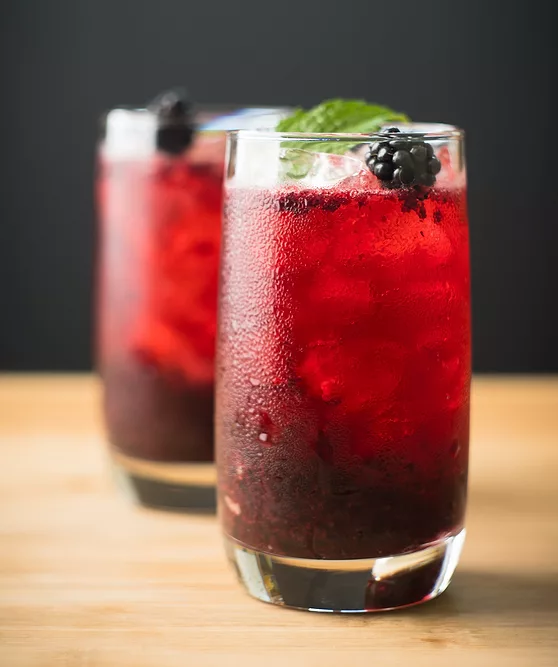
Red-beverage-GettyImages-1344202250-copy.jpg
Getty Images/iStockphoto

The U.S. Food & Drug Administration’s (FDA) recent ban of Erythrosine, known as Red Dye No. 3 (Red 3), will require food and beverage companies to reformulate products that use the synthetic color by early 2027. This ban is the latest action in the global trend of shifting away from synthetic colors and ingredients in foods and beverages and is creating new opportunities for naturally derived colors.

Expanding Restrictions on Synthetic Colors

Red 3 has long been banned in other countries. The European Union prohibited the use of Red 3 in 1994, with similar restrictions in place in the UK, Australia, and New Zealand (1). Though some countries still allow the use of the synthetic color in foods and beverages, the FDA’s Red 3 ban will extend to foods imported into the United States, creating a broader effect on the global industry, as manufacturers who import products into the country are forced to reformulate to comply with new regulations. 

Within the United States, California recently enacted restrictions on other synthetic colors used in food. Beginning in 2027, foods in California schools will not be allowed to contain Red 40, Yellow 5 and 6, Blue 1 and 2, or Green 3 (2). More states are considering similar restrictions on synthetic colors. Illinois, New York, Washington, and Pennsylvania are all working to enact regulations on the state level (3).

Consumers Push Towards Wholesome, Clean Label Ingredients

Reformulation of products to comply with the Red 3 ban gives food and beverage companies an opportunity to upgrade to naturally derived alternatives, something that studies show consumers already have an appetite for. According to Innova Market Insights, 35% of consumers are trying to limit their intake of synthetic ingredients (4). By opting for nature-based alternatives to synthetic colors, companies can avoid future reformulation if other colors face similar bans.  

The combined pressure from bans and restrictions on synthetic colors, along with consumer preferences, point toward growth in the nature-based food color market. Future Market Insights indicates the global nature-based food colors market is expected to grow by 7.2% from 2023 through 2033 and surpass US $3.3 billion in 2033 (5).  

Projected growth in nature-based colors can be attributed to an increasing desire for wholesome, more natural food products, as well as rising awareness for potential adverse effects caused by artificial food colors. Reformulation may seem like an unnecessary burden on manufacturers, but the benefits of shifting away from synthetic ingredients toward nature-based outweigh the initial challenges. Many food and beverage manufacturers have already adapted nature-based ingredients, widening their market reach and even reaching more premium markets.

Nature-Based Solutions to the Red 3 Challenge

Though necessary, the switch from Red 3 to naturally derived alternatives may feel daunting for manufacturers, who are often reluctant to switch from synthetic to naturally derived options due to traditionally held views surrounding stability concerns throughout the manufacturing process and the product’s shelf-life. While some nature-based color sources are prone to fading or degradation during processing, the industry has come a long way with nature-based color innovation.

For example, Lycored has drawn on years of lycopene-based color research to produce stable, clean label-friendly, and consumer-embraced color solutions, including alternatives to Red 3, that offer outstanding technical performance in challenging applications. Lycored’s range of nature-based red shades are proven to be stable in intense conditions. Lycored’s ResoluteRuby A and ResilientRed BF showed superior stability against artificial Red 3 when subjected to the harsh parameters of direct injection, packaging, storage and display conditions in UHT dairy and plant-based UHT. This innovation makes the ability to switch to reliable, nature-based hues easier than ever before.  With particular appeal to wellness-minded consumers, Lycored’s lycopene-based red colors can simply be declared as “lycopene from red tomatoes” or “lycopene” on ingredient labels, and they are vegan-friendly. What’s more, the shades made possible by Lycored’s portfolio were favored over artificial alternatives in a survey commissioned on moms about colored milk options (6). Lycored’s portfolio is uniquely suited to stand in for Red 3 as more manufacturers make the switch—to appeal to consumers, and now to comply with new regulations.

Sources:

  1. Aleccia, J. (2025, January 15). FDA bans red dye No. 3 from foods, nearly 35 years after it was barred from cosmetics because of potential cancer risk. PBS. https://www.pbs.org/newshour/health/fda-bans-red-dye-no-3-from-foods-nearly-35-years-after-it-was-barred-from-cosmetics-because-of-potential-cancer-risk
  2. California School Food Safety Act. Assembly Bill No. 2316 Chapter 914. (2024, September 28).  https://leginfo.legislature.ca.gov/faces/billTextClient.xhtml?bill_id=202320240AB2316
  3. Henderson, B. (2024, March 21). Pennsylvania is latest state to introduce food additives legislation, while Kentucky urges FDA to take control. Food Safety Magazine. https://www.food-safety.com/articles/9331-pennsylvania-is-latest-state-to-introduce-food-additives-legislation-while-kentucky-urges-fda-to-take-control
  4. Innova Market Insights. (2022, July). Ingredients Insider: Trends in Color Ingredients 
  5. Future Market Insights. (2023, February). Natural Food Colors Market. https://www.futuremarketinsights.com/reports/global-natural-food-colours-market  
  6. Lippert, C. https://www.lycored.com/wp-content/themes/lycored/dist/images/true-colors-paper.pdf 
Recommended For You
Latest Publication
Screenshot_2026-05-26_at_7.47.16_AM.jpg
June/July 2026
CovHeart.jpg
2026 Deep Dive Cardiovascular Health
Screenshot_2026-04-16_at_11.51.39_AM.png
May 2026
CovMi26.jpg
2026 Mastering the Microbiome Market
Most Popular
  • GettyImages-2260827018.jpg

    Karnataka High Court Issues Interim Stay on Ashwagandha Leaf Ban

    By Richard Ortega, Associate Editor, WholeFoods Magazine
    May 20, 2026
  • Anaheim Convention Center hosted four days of innovation, education, networking, and trendspotting at Expo West 2026.

    Expo West 2026 Trend Report: Innovation, Transparency & Functional Wellness

    By WholeFoods Magazine Staff
    May 26, 2026
  • Fostering mental wellness.

    The Pillars of Mental Resilience

    By Jennifer Joseph
    June 1, 2026

WholeFoods Magazine is your one-stop resource for health and nutrition articles. We provide important information regarding industry news, research, and trends.

The Magazine

  • Current Issue
  • Subscribe
  • Renew
  • Change of Address

Information

  • Source Directory
  • Helpful Resources
  • Job Finder

About Us

  • About Us
  • Contact Us
  • Advertise

Social

NOTE: WholeFoods Magazine is a business-to-business publication. Information on this site should not be considered medical advice or a way to diagnose or treat any disease or illness. Always seek the advice of a medical professional before making lifestyle changes, including taking a dietary supplement. The opinions expressed by contributors and experts quoted in articles are not necessarily those of the publisher or editors of WholeFoods.

© Copyright 2026 WFC, Inc. All Rights Reserved.
Privacy PolicyTerms