Continue To Site >
Quicklinks
  • Ask Whole Foods Mag
  • Magazine Subscription
  • View Back Issues
  • Advertise
  • Education Center
  • Ashwagandha / Shatavari Experience
  • Naturally Informed
  • Move Nutrition
  • India-America Boardroom Series
Free Newsletter Subscription
Ask WholeFoods Mag
  • News
    • All News
    • In Case You Missed It
    • Breaking News
    • Grocery News
    • Dietary Supplements News
    • Supplier News
    • Health & Beauty Aid News
    • Green News
    • Research
  • Features
    • Supplements
    • Grocery
    • Health & Beauty Aids
    • Suppliers
  • Columns
    • Debates
    • Editorial
    • Good Health Reads
    • Happy Customer
    • Herb of the Month
    • Leadership Profiles
    • Legal Tips
    • Mentors
    • Merchandising Insights
    • Recipes
    • Naturally Informed Education
    • The Nutrition Mythbuster
    • Trade Secrets
    • Vitamin Connection
    • What's Selling
    • WholeFoods Blogs
  • Products
    • Dietary Supplements
    • Grocery Products
    • Gourmet Products
    • Health & Beauty Aid Products
    • New Product Reviews
      • 2021 Archives
      • 2019 Archives
      • 2018 Archives
    • Suppliers
  • Multimedia
    • Videos
    • Podcast
    • The Natural View
  • Directory
Ask WholeFoods Mag
  • Log In
  • Register
  • Log Out
  • My Account
Free Newsletter Subscription
Quicklinks
  • Ask Whole Foods Mag
  • Magazine Subscription
  • View Back Issues
  • Advertise
  • Education Center
  • Ashwagandha / Shatavari Experience
  • Naturally Informed
  • Move Nutrition
  • India-America Boardroom Series
Home » Blogs » WholeFoods Magazine » OUT OF STOCK: How to Avoid These Dreaded Three Words

WholeFoods Magazine
WholeFoods Magazine RSS FeedRSS

Sevanti headshot 1

As President of Unibar Corporation, Mr. Sevanti Mehta was raised to value good health through diet and Ayurvedic tradition. He has made it his lifelong goal to help improve health through scientifically evidenced, differentiated plant-based solutions and brings over 30 years of experience to the natural products industry. Mr. Mehta specializes in discovering unique ingredients to support functional areas such as eye health, sports nutrition, weight management, and cosmeceuticals holistically and is passionate about aiding and educating underserved communities in India.

OUT OF STOCK: How to Avoid These Dreaded Three Words

How diversifying supply chain and embracing sustainability initiatives are a win all-around.

February 26, 2024
Sevanti Mehta, President, Unibar
Out_Of_Stock_Supply_Chain_GettyImages-1221535043.jpg
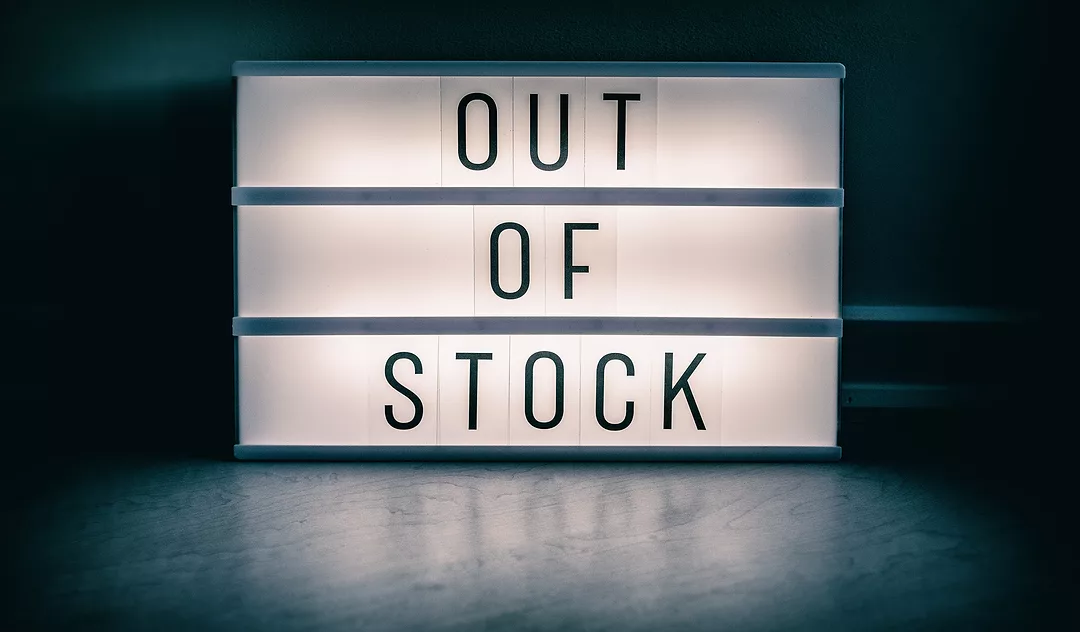
OUT OF STOCK store lightbox sign showing text message for shortage of supplies. | Getty Images

Out of stock.” These three words are shoppers’ least favorite words to see when purchasing their go-to products, especially when it’s an item that supports their everyday healthcare routine. This issue can come down to several factors, a critical one being the ability of raw materials suppliers to keep up with market demand seen by finished product manufacturers and retailers. We can all attest to the significant supply chain issues that the pandemic caused, some of which are still wreaking havoc. For instance, problems with shipping increased container prices, material shortages and overall rising costs are still very relevant for many of today’s manufacturers, and combining these while also trying to meet the heightened consumer demand can create quite an imbalance. Look no further than NutraIngredients USA's 2023 annual ‘State of the Industry’ report to back up this assertion.  It found that shipping costs and delays still accounted for key disruptions for 80% of the respondents (1).

While the natural products supply chain remains volatile, these disruptions aren’t stopping consumers from wanting their dietary supplements. According to the 2023 Council for Responsible Nutrition’s (CRN) Consumer Survey on Dietary Supplements, 74% of Americans take dietary supplements, with 55% reporting they are regular users (2). In another report, the CRN found that the dietary supplement industry provided $158 billion to the U.S. economy, up 23% from 2016 (3).

These statistics support that the demand is there, but the question remains: What innovative solutions are raw materials suppliers and finished product manufacturers implementing to keep up? 

Interestingly enough, the NutraIngredients USA survey went on to reveal that 12% of finished product manufacturers said they added a second qualified supplier, 9% had to find a new provider of their raw material, and in some cases (5%) discounted the SKU(s) or reformulated the product entirely. It also reported that 36% adopted a combination of these approaches, and 18% said they had to implement all four (1). 

As brands become more savvy with their supply chain strategy, how can raw material suppliers better support their brand manufacturers and retailers and meet consumers’ demands and expectations, all while improving and preparing for unexpected challenges? One way is to diversify. 

Supply Diversity, Sustainability, and Transparency

Diversifying the supply chain offers adaptability to the ever-evolving landscape of global commerce and helps prepare for unexpected world issues. It positively impacts inventory and, over time, can improve cost management.

Take, for example, lutein, one of the most popular eye health ingredients in the natural products industry. Its global market size was estimated at $365 million in 2022 and is expected to reach a value of $548 million by 2032, growing at an impressive CAGR of 7.2% (4). Recently, Unibar Corporation and its suppliers partnered with farmers in Africa to sustainably source marigold flowers (a key source of lutein) and opened its second operations facility based in Africa (its original operations facility is based in India). This supply chain diversification strategy of sourcing from India and Africa allows the company to combat any potential issues or shortages. But it also goes further than that. Transparency and sustainability initiatives are no longer a trend but rather an expectation.

People want quality, value, and trust in their products, and to increase that brand loyalty (or emotional connection), consumers want to know about the environmental and ethical standards the company promotes.

These initiatives can encompass understanding the processes involved from seed to shelf, and if you are able to go into details, that’s even better. For instance, can you share if the product supports a safe and healthy environment for the farmers in addition to fair social wages? Once the product is ready for extraction, can the supplier provide a roadmap demonstrating its environmental and sustainable practices?  
Suppliers that integrate traceability and sustainability into their operations gain an even bigger competitive edge by attracting the growing market of environmentally aware consumers. It is also worth noting that governments and international bodies are increasingly emphasizing Environmental, Social, and Governance (ESG) standards, so incorporating these practices ensures long-term viability and improves the overall reputation of the supply chain, benefiting both suppliers and consumers.
Overall, diversification and sustainability initiatives in the supply chain create a winning scenario for all involved, fostering resilience and innovation that will support long-term success.


References: 
  1. https://www.nutraingredients-usa.com/Article/2023/03/15/state-of-the-us-dietary-supplements-sector-in-2023 
  2. https://www.wholefoodsmagazine.com/articles/16497-74-of-americans-take-dietary-supplements-crn-consumer-survey-finds
  3. https://www.crnusa.org/newsroom/crn-report-dietary-supplement-companies-pump-158-billion-us-economy-23-2016 
  4. https://www.reportsanddata.com/report-detail/lutein-market 
Recommended For You
Latest Publication
Screenshot_2026-05-26_at_7.47.16_AM.jpg
June/July 2026
CovHeart.jpg
2026 Deep Dive Cardiovascular Health
Screenshot_2026-04-16_at_11.51.39_AM.png
May 2026
CovMi26.jpg
2026 Mastering the Microbiome Market
Most Popular
  • Anaheim Convention Center hosted four days of innovation, education, networking, and trendspotting at Expo West 2026.

    Expo West 2026 Trend Report: Innovation, Transparency & Functional Wellness

    By WholeFoods Magazine Staff
    May 26, 2026
  • Fostering mental wellness.

    The Pillars of Mental Resilience

    By Jennifer Joseph
    June 1, 2026
  • Yogurt-probiotics-GettyImages-2217529941.jpg

    Rethinking Lactose Intolerance: The Role of Probiotics and Prebiotics

    By Clare Fleishman, MS RDN
    May 22, 2026

WholeFoods Magazine is your one-stop resource for health and nutrition articles. We provide important information regarding industry news, research, and trends.

The Magazine

  • Current Issue
  • Subscribe
  • Renew
  • Change of Address

Information

  • Source Directory
  • Helpful Resources
  • Job Finder

About Us

  • About Us
  • Contact Us
  • Advertise

Social

NOTE: WholeFoods Magazine is a business-to-business publication. Information on this site should not be considered medical advice or a way to diagnose or treat any disease or illness. Always seek the advice of a medical professional before making lifestyle changes, including taking a dietary supplement. The opinions expressed by contributors and experts quoted in articles are not necessarily those of the publisher or editors of WholeFoods.

© Copyright 2026 WFC, Inc. All Rights Reserved.
Privacy PolicyTerms