RSS
RSS
Quicklinks
WholeFoods Magazine

A Step in the Right Direction for Ethical, Sustainable Production of Rhodiola rosea
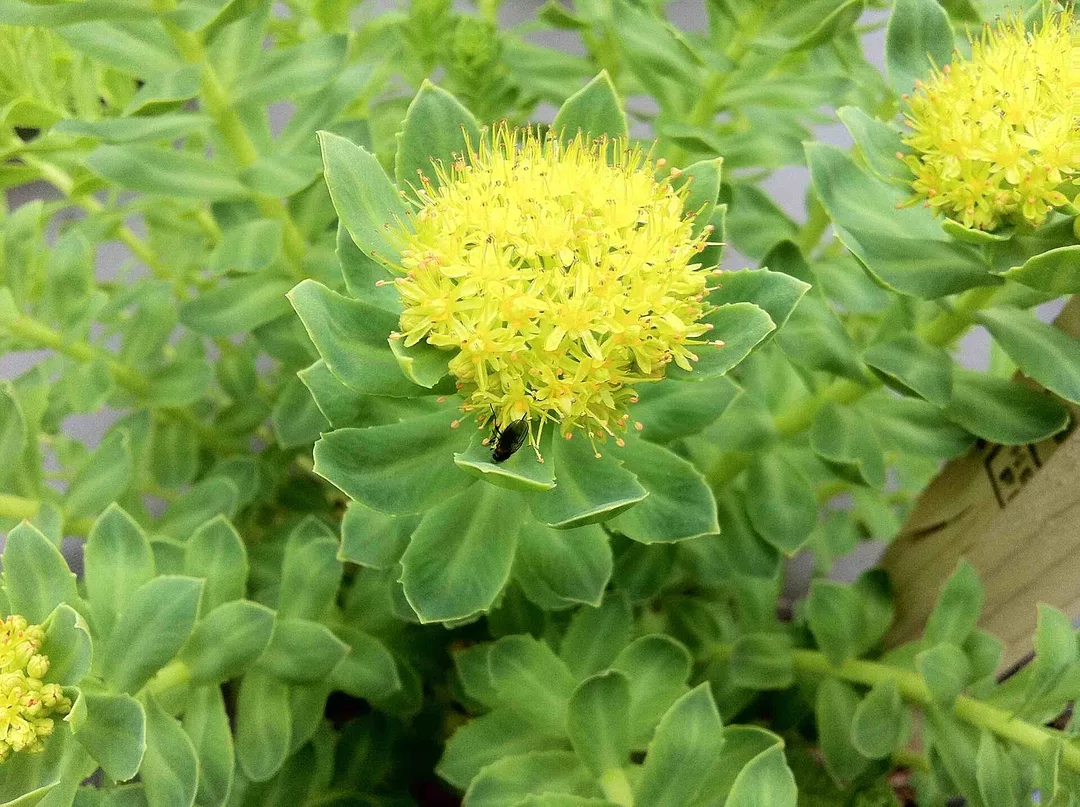
In the 1970s, a growing interest in traditional herbal medicine began to expand beyond what had been a small herbalist subculture. Many herb gardens sprang up around the U.S., and several still thrive today as commercially successful cultivators of medicinal plants. Because many medicinal species cannot be cultivated, there remains an extensive industry throughout the world based on harvesting wild medicinal plants. This creates many ethical issues, such as unfair commercial exploitation of local (usually poor) harvesters and concerns about native species survivability. Botanical companies must also be on the lookout for contamination and adulteration. Still, many consumers value wild-sourced botanicals over cultivated products due to presumed purity, while giving little consideration to ethical production methods.
The underlying principles of purity and freshness that guide most wild harvest endeavors are honorable, but the outcome can be harmful. Such is the case with Rhodiola rosea, a sedum that has been used for centuries by northern peoples to improve mental focus and physical stamina. What once had been an arctic peoples’ medicinal secret became popular among athletes, cosmonauts, and even the Soviet military. As more was learned about its adaptogenic effects, its popularity grew. Today, rhodiola is becoming a mainstream botanical ingredient in many countries.
Most of the world’s rhodiola root supply comes from Siberia or the mountains of northern China. Siberian Rhodiola rosea is considered the best, but its supply is limited due to regulatory restrictions. Chinese rhodiola is often a mixture of different rhodiola species. It has been reputed to be contaminated with heavy metals or microbes. With the current US-Russian relations, importation from Siberia is not likely to occur for some time. Ongoing tariffs on Chinese goods have also raised the price of Chinese rhodiola in the past few years.
Rhodiola rosea’s natural habitat is where other plants cannot grow, so it does not fare well in areas where other plants are more robust. Unless the farm field is seed- and weed-free, it will require significant efforts by the farmer to keep up with weeding throughout the summer. This is the most expensive part of rhodiola farming. Since it is not possible to use chemical herbicides, it requires mechanical (often by hand) weeding. Some growers use plastic sheets to control weeds for the first few years. That, though, comes with its own set of problems. However, with proper attention and luck, a farmer can expect to harvest by the fifth year.
These endeavors produce only a very small fraction of the global rhodiola supply. Still, they are a step in the right direction for ethical and sustainable production of high-quality Rhodiola rosea roots. Good-quality cultivated rhodiola grown in countries that have relatively high labor costs simply cannot compete in price with wild-harvested materials from poorer countries. Therefore, it is important to educate the consumer about the ethical issues associated with products made from wild harvest. Educating consumers is key so they are willing to bear the cost of ethically sourced botanicals.
The underlying principles of purity and freshness that guide most wild harvest endeavors are honorable, but the outcome can be harmful. Such is the case with Rhodiola rosea, a sedum that has been used for centuries by northern peoples to improve mental focus and physical stamina. What once had been an arctic peoples’ medicinal secret became popular among athletes, cosmonauts, and even the Soviet military. As more was learned about its adaptogenic effects, its popularity grew. Today, rhodiola is becoming a mainstream botanical ingredient in many countries.
Adaptogenic Properties
In the wild, Rhodiola rosea grows very slowly. It can be decades old when harvested. These plants struggle mightily to survive in the harsh environments of the subarctic / alpine regions of the north. That is what imparts the adaptogenic and rejuvenating effects. Rhodiola is on the “Red List” of endangered plants worldwide due to overharvesting. Although such efforts do help preserve the species, it also invites a brisk black market. The American Botanical Council has produced an interesting video that describes this dilemma: https://vimeo.com/567505049Most of the world’s rhodiola root supply comes from Siberia or the mountains of northern China. Siberian Rhodiola rosea is considered the best, but its supply is limited due to regulatory restrictions. Chinese rhodiola is often a mixture of different rhodiola species. It has been reputed to be contaminated with heavy metals or microbes. With the current US-Russian relations, importation from Siberia is not likely to occur for some time. Ongoing tariffs on Chinese goods have also raised the price of Chinese rhodiola in the past few years.
Sensible solution for Rhodiola rosea
Cultivate Rhodiola rosea in appropriate northern or alpine environments. Alaska has a similar climate to Siberia in many areas. This is what I envisioned 12 years ago when I decided to grow rhodiola in my front yard in Anchorage. My work with Alaskan farmers has resulted in several acres of certified organic Rhodiola rosea with eight annual harvests so far. It is also commercially cultivated in Canada; the Alberta Rhodiola Rosea Growers Organization (ARRGO) is a cooperative of rhodiola growers to process and market their harvests. There are also farms in Europe and Scandinavia.Rhodiola rosea’s natural habitat is where other plants cannot grow, so it does not fare well in areas where other plants are more robust. Unless the farm field is seed- and weed-free, it will require significant efforts by the farmer to keep up with weeding throughout the summer. This is the most expensive part of rhodiola farming. Since it is not possible to use chemical herbicides, it requires mechanical (often by hand) weeding. Some growers use plastic sheets to control weeds for the first few years. That, though, comes with its own set of problems. However, with proper attention and luck, a farmer can expect to harvest by the fifth year.
These endeavors produce only a very small fraction of the global rhodiola supply. Still, they are a step in the right direction for ethical and sustainable production of high-quality Rhodiola rosea roots. Good-quality cultivated rhodiola grown in countries that have relatively high labor costs simply cannot compete in price with wild-harvested materials from poorer countries. Therefore, it is important to educate the consumer about the ethical issues associated with products made from wild harvest. Educating consumers is key so they are willing to bear the cost of ethically sourced botanicals.
Investing in Quality
Educating the consumer is important to conserve what is left of wild Rhodiola rosea. It is also important to convince botanical companies to invest in cultivated Rhodiola products. They need to be being willing to pay a bit more for quality and sustainability. In order for this to succeed, farmers must be paid enough to motivate them to continue growing a crop that takes five years of hard labor to bring to market. Without the farmer, Rhodiola will remain an exotic niche product, rather than fulfill its potential as a mainstream herbal that can help so many people.Related: Adaptogens: Helping us deal with the 2020s State of the Botanical Supply Chain
Recommended For You
Latest Publication

June/July 2026

2026 Deep Dive Active Nutrition Market

2026 Deep Dive Cardiovascular Health
May 2026