RSS
RSS
Quicklinks
WholeFoods Magazine
The Transparency Conundrum
Note: The views and opinions expressed here are those of the author(s) and contributor(s) and do not necessarily reflect those of the publisher and editors of WholeFoods Magazine.
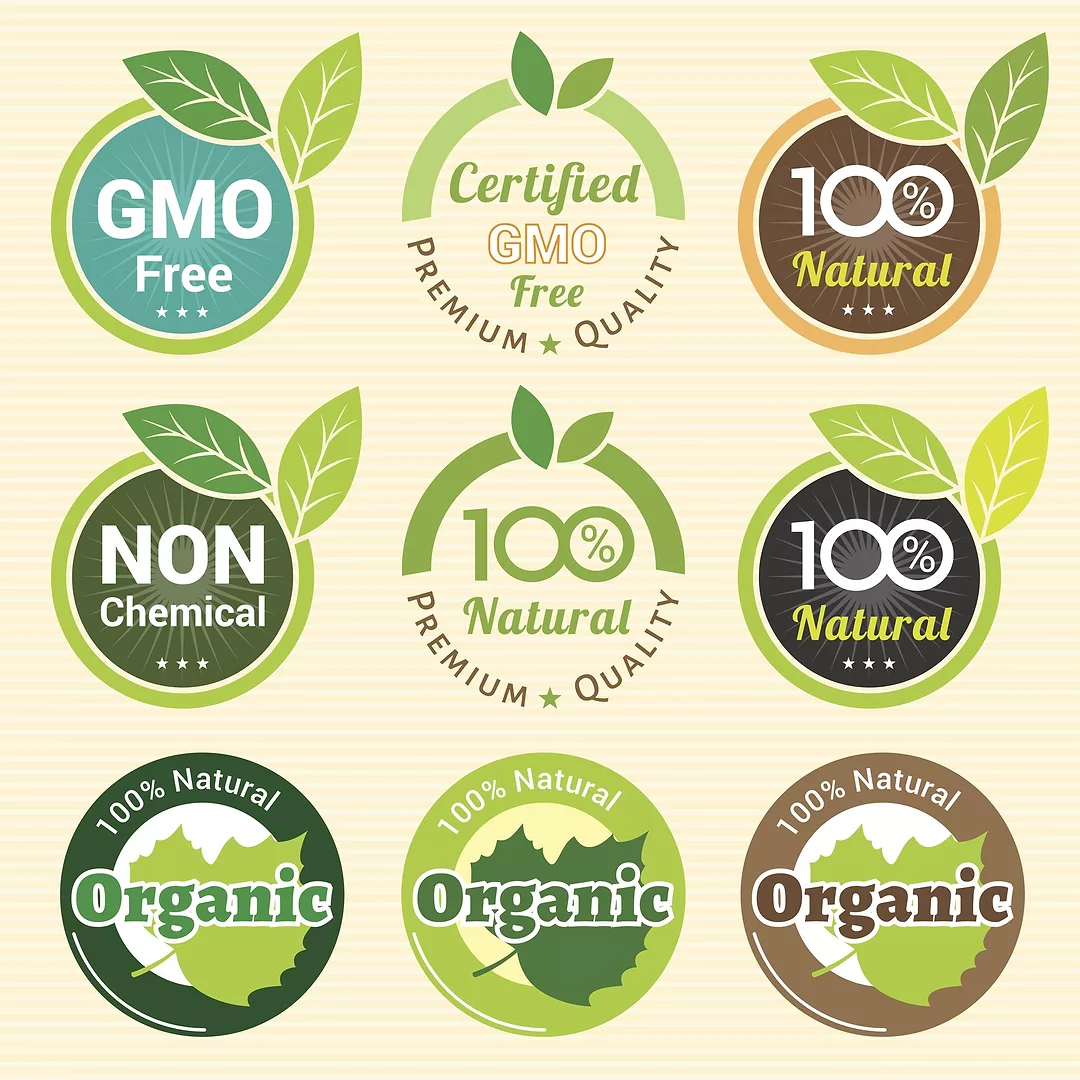
Shoppers are confused, according to a new study produced by the American Heart Association and the International Food Information Council Foundation (IFICF). This is not news, but what is interesting is that the study concludes that there may be too much information out there, and consumers are struggling to filter through it all to find what they want.
“There is a lot of competing information out in the food landscape,” says Alexandra Lewin-Zwerdling, vice president of research and partnerships at the International Food Information Council. “This kind of sea of information causes conflict and doubt.”
"Only 25% of shoppers find it easy to determine which products are good for them." IFICF
The survey found that over 95% of shoppers at least sometimes seek healthy options when grocery shopping. And yet only a little over a quarter said they find it easy to determine which products are good for them and which should stay on the shelves.
In response to this, the Food and Drug Administration (FDA) is considering whether there is an opportunity to simplify the clutter with a global symbol of health. In a June 2018 announcement, the FDA Commissioner Scott Gottlieb, M.D., stated that the FDA will be “soliciting input on whether adding a standard ‘healthy’ icon could be valuable to consumers.”
The idea of simplifying to a single icon is not a new strategy. Two notable examples of this being deployed in the market are the Nuval and Guiding Stars programs. Both these programs strive to simplify health decisions by reducing the health of a product down to a single measure. In the case of Nuval, a product is scored from 1 to 100, whereas with Guiding stars a product is rated between 1 to 3 stars.
In addition to this, individual retailers have launched similar nutrition simplification programs over the years. Walmart launched the “Great For You” health program in 2012, with a simplified icon at shelf edge to help customers to quickly identify healthy products. Other retailers have launched similar simplified programs such as Wegmans “Food you feel good about,” Publix “Better Choice,” and Schnucks “Dietitian Picks.”
So is it a case that more information doesn’t actually lead to transparency? The need for transparency comes from the need to make better decisions about the products that we consume. The point here is to be able to make those decisions effectively and to get to that point there are several steps along the path.
One of those steps is ensuring that information is accurate as well as comprehensive enough to answer all the needs of customers who will be evaluating a product. Another, equally important factor influencing transparency is how the information is delivered, how it is organized and how interactable and filterable it is. Information becomes “too much” when it is badly organized and un-filterable. Thirdly, the shopper needs to trust the source of the information. Trust is highly nebulous and difficult to understand but it would be fair to assume that the context and manner in which the information is delivered, along with the two factors above, will go a long way to influencing whether or not the information is trusted.
There is a movement away from single icon Health & Wellness (H&W) programs over the years with more and more retailers moving towards offering a range of custom attributes to engage shoppers and help them to find what they are looking for. With our work with retailers and their H&W programs, we have specifically worked on this. The aim is to present some standardized information across a retail banner that differentiates that retailer and helps engage their target market with the information they need at the point where they need it.
In a transparent yet fragmented world, those that can offer a range of standardized and trustworthy attribute-driven experiences will win shopper trust, and those that continue to tell shoppers what they think they should know will struggle.
Shoppers are confused, according to a new study produced by the American Heart Association and the International Food Information Council Foundation (IFICF). This is not news, but what is interesting is that the study concludes that there may be too much information out there, and consumers are struggling to filter through it all to find what they want.
“There is a lot of competing information out in the food landscape,” says Alexandra Lewin-Zwerdling, vice president of research and partnerships at the International Food Information Council. “This kind of sea of information causes conflict and doubt.”
"Only 25% of shoppers find it easy to determine which products are good for them." IFICF
The survey found that over 95% of shoppers at least sometimes seek healthy options when grocery shopping. And yet only a little over a quarter said they find it easy to determine which products are good for them and which should stay on the shelves.
Is the solution simplification?
The argument is being made that in a race towards providing more transparency, the industry is flooding consumers with too many attributes and they are struggling to filter the signal from the noise. “You name it, there's a symbol for it,” says Lewin-Zwerdling. But, she says, customers risk being bombarded with too many niche icons on their packaging. “Consumers are looking for a simple way to know if a product is healthy.”In response to this, the Food and Drug Administration (FDA) is considering whether there is an opportunity to simplify the clutter with a global symbol of health. In a June 2018 announcement, the FDA Commissioner Scott Gottlieb, M.D., stated that the FDA will be “soliciting input on whether adding a standard ‘healthy’ icon could be valuable to consumers.”
The idea of simplifying to a single icon is not a new strategy. Two notable examples of this being deployed in the market are the Nuval and Guiding Stars programs. Both these programs strive to simplify health decisions by reducing the health of a product down to a single measure. In the case of Nuval, a product is scored from 1 to 100, whereas with Guiding stars a product is rated between 1 to 3 stars.
In addition to this, individual retailers have launched similar nutrition simplification programs over the years. Walmart launched the “Great For You” health program in 2012, with a simplified icon at shelf edge to help customers to quickly identify healthy products. Other retailers have launched similar simplified programs such as Wegmans “Food you feel good about,” Publix “Better Choice,” and Schnucks “Dietitian Picks.”
The Transparency Conundrum
The conundrum is that on one hand we are being told that the path to future growth and consumer engagement is transparency and that the key to the future is getting organized around our product data. But then on the other hand we are also learning that all this information is actually making shoppers more confused and that trust is still an issue that needs to be addressed.So is it a case that more information doesn’t actually lead to transparency? The need for transparency comes from the need to make better decisions about the products that we consume. The point here is to be able to make those decisions effectively and to get to that point there are several steps along the path.
One of those steps is ensuring that information is accurate as well as comprehensive enough to answer all the needs of customers who will be evaluating a product. Another, equally important factor influencing transparency is how the information is delivered, how it is organized and how interactable and filterable it is. Information becomes “too much” when it is badly organized and un-filterable. Thirdly, the shopper needs to trust the source of the information. Trust is highly nebulous and difficult to understand but it would be fair to assume that the context and manner in which the information is delivered, along with the two factors above, will go a long way to influencing whether or not the information is trusted.
Simplifying health is an oversimplification
Simplifying data to a single binary “healthy” or “not healthy” attribute will serve some people who really don’t have the time or the inclination to understand what they are putting in their bodies. However, in a market where 95% of shoppers are seeking healthier options but only 25% feel satisfied by the information they are receiving, a single icon is not going to help them. The idea that a single icon can state what is healthy and what is not in a world where ideas about health are so fragmented is a mis-understanding of the challenges of transparency. Even the original “single score” program Nuval is now driving towards an attribute-driven approach, and we’re seeing more of that type of movement across the market.There is a movement away from single icon Health & Wellness (H&W) programs over the years with more and more retailers moving towards offering a range of custom attributes to engage shoppers and help them to find what they are looking for. With our work with retailers and their H&W programs, we have specifically worked on this. The aim is to present some standardized information across a retail banner that differentiates that retailer and helps engage their target market with the information they need at the point where they need it.
Transparency will continue to fragment data needs
At the end of the day, the need is to help shoppers to make better decisions. A single icon strategy will help one segment of the market, but judging by the calls to transparency it doesn’t seem like that will address shoppers’ wider needs. Fragmentation of needs will continue as the definition of what is and is not healthy further decentralizes.In a transparent yet fragmented world, those that can offer a range of standardized and trustworthy attribute-driven experiences will win shopper trust, and those that continue to tell shoppers what they think they should know will struggle.
Recommended For You
Latest Publication
June/July 2026
2026 Deep Dive Active Nutrition Market

2026 Deep Dive Cardiovascular Health
May 2026