RSS
RSS
Quicklinks
WholeFoods Magazine

Cutting Through the CBD Confusion
[vc_row][vc_column][vc_column_text]Note: The views and opinions expressed here are those of the author(s) and contributor(s) and do not necessarily reflect those of the publisher and editors of WholeFoods Magazine.
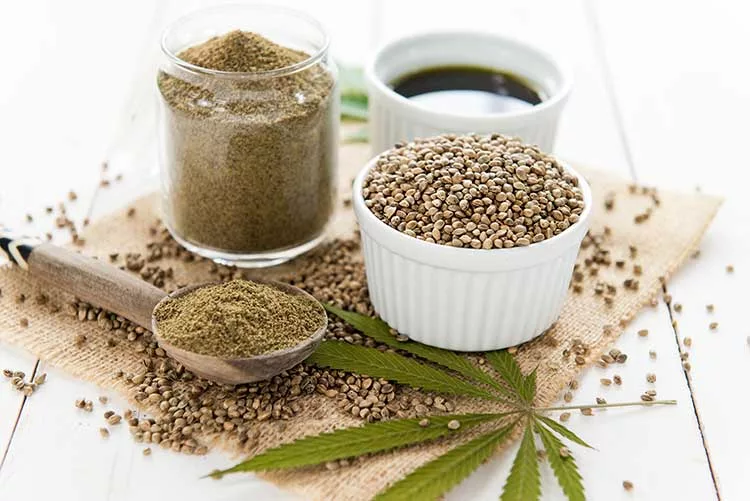
CBD is arguably the single hottest dietary supplement ingredient in the natural products industry — and along with its popularity are a great many questions. For example, according to the FDA, is it even a dietary supplement ingredient, and is it lawful to sell it as a dietary supplement? Is CBD isolate effective, or does it need to be full-spectrum phytocannabinoids? What’s the minimum dosage level that’s considered to be effective? Clearly, there is a great deal of confusion about CBD.
What is CBD?
Let’s start with a definition of CBD. Cannabidiol, or CBD, is a naturally occurring compound found in plants. It belongs to a family of compounds called cannabinoids or, more specifically, phytocannabinoids — which means cannabinoids from plants (phyto = plant). Actually, there are more than 100 different phytocannabinoids, and hemp is a primary source.
What is the lawful status of CBD?
Many people are under the false impression that CBD supplements can be lawfully marketed with passage of the Agriculture Improvement Act of 2018 (the “Farm Bill”). That is not correct. On Dec. 20, 2018, FDA commissioner Scott Gottlieb issued a press release to make their position clear. In the release he said, “It’s unlawful under the FD&C Act to introduce food containing added CBD or THC into interstate commerce, or to market CBD or THC products as, or in, dietary supplements, regardless of whether the substances are hemp-derived.” The given reason for this was that both CBD and THC are active ingredients in FDA-approved drugs and were the subject of substantial clinical investigations before they were marketed as foods or dietary supplements.
The wording of Gottlieb’s statement is interesting. Specifically, it indicated that “added CBD” could not be introduced into a food or dietary supplement. This suggests that CBD isolate cannot be part of a dietary supplement. But what about a plant, such as hemp, that contains naturally-occurring phytocannabinoids — including CBD? The fact is, there are many plants, besides hemp, that contain phytocannabinoids. These include, but are not limited to:
Culinary herbs: Basil, cinnamon, black pepper, cloves, oregano and rosemary (1);
Medicinal herbs: Echinacea spp., Curcuma spp. (turmeric) (2), Glycyrrhiza (licorice) (3);
Foods: Theobroma cacao (from which chocolate is derived), Camellia sinensis (green and black tea), grapes, Brassica spp. (e.g. broccoli, cabbage, etc.), Apiaceae family (e.g. carrot, parsley) (4), Helichrysum spp. (the sunflower family of plants), Amorpha spp. (the pea family of plants) (5).
Clearly these plants are lawful to sell in dietary supplements and/or as foods, despite the fact that they all contain naturally occurring phytocannabinoids. In discussing this with some legal experts, the position is that products containing naturally occurring phytocannabinoids from plant sources such as hemp are not a problem — assuming that the products aren’t positioned as CBD products. CBD isolates, on the other hand, are a clear violation of the FDA’s position.
What is the difference between CBD isolate and full-spectrum phytocannabinoids?
Legal considerations aside, let’s take a look at the difference between CBD isolate and full-spectrum phytocannabinoids. To reiterate an earlier point, CBD is only one of many phytocannabinoids found in hemp — albeit the most prevalent phytocannabinoid. Nevertheless, the presence of the other phytocannabinoids, alongside CBD, results in greater overall synergistic activity. This is referred to as “the entourage effect” in scientific literature. If you’re just using isolated CBD, you’re not getting the benefits of the entourage effect. On the other hand, full-spectrum hemp extract provides a full spectrum of naturally occurring phytocannabinoids — which includes a defined amount of CBD. Full-spectrum phytocannabinoids are exactly what you want, not CBD isolate — even though CBD isolate is less expensive than full-spectrum. But you get what you pay for, since it is also less effective.
What is an effective dose of CBD?
The answer to this question is: It depends upon the results you want. For example, if you want general support for your immune system, a small amount of vitamin C (e.g. 50 mg) will provide it. However, if you want to fight a cold, then research suggests that you need to use several thousand milligrams daily. Likewise, if you just want general support for the endocannabinoid system (the system in your body with which phytocannabinoids exert their effects), then almost any amount will contribute toward such support. If, on the other hand, you want specific therapeutic benefits, then you should use 25 mg of full-spectrum phytocannabinoids daily.
In a large, retrospective series of case studies (6), 103 adult subjects with stress/anxiety and sleep complaints received about 25 mg phytocannabinoids per day in capsule form. Results showed that stress/anxiety and sleep improved for the majority of patients and these improvements were sustained over time. At the first monthly assessment following the start of phytocannabinoid supplementation, 79.2% and 66.7% of subjects experienced an improvement in stress/anxiety and sleep, respectively. Other case studies showed similar results. Additional research has shown similar results(7) (8) (9) (10) (11) (12) (13) (14) (15).
Conclusion
While the addition of CBD isolate to a dietary supplement is not lawful, it appears that it is lawful to sell dietary supplements containing hemp or other plants in which the presence of CBD and other phytocannabinoids that are naturally occurring — assuming that the product is not positioned as a CBD supplement. In any case, full-spectrum phytocannabinoids are preferable to CBD isolate since the full-spectrum results in greater overall synergistic activity known as the entourage effect. Additionally, the phytocannabinoids dose shown in research to be effective is 25 mg. There is no data to support a therapeutic effect at lower levels.
Retailers can recommend “The Science of CBD” video podcast to customers to learn more from Gene Bruno about proper use of hemp, CBD and phytocannabinoids. To view or subscribe go to: www.twinlabcbd.com.[/vc_column_text][/vc_column][/vc_row][vc_row][vc_column][vc_separator][/vc_column][/vc_row][vc_row][vc_column][vc_column_text]References
(1) Fidyt K, Fiedorowicz A, Strządała L, Szumny A. β-caryophyllene and β-caryophyllene oxide-natural compounds of anticancer and analgesic properties. Cancer Med. 2016 Oct;5(10):3007-3017
(2) Gertsch J, Pertwee RG, Di Marzo V. Phytocannabinoids beyond the Cannabis plant - do they exist? Br J Pharmacol. 2010 Jun;160(3):523-9.
(3) Hanuš LO, Meyer SM, Muñoz E, Taglialatela-Scafati O, Appendino G. Phytocannabinoids: a unified critical inventory. Nat Prod Rep. 2016 Nov 23;33(12):1357-1392.
(4) Gertsch J, Pertwee RG, Di Marzo V. Phytocannabinoids beyond the Cannabis plant - do they exist? Br J Pharmacol. 2010 Jun;160(3):523-9.
(5) Hanuš LO, Meyer SM, Muñoz E, Taglialatela-Scafati O, Appendino G. Phytocannabinoids: a unified critical inventory. Nat Prod Rep. 2016 Nov 23;33(12):1357-1392.
(6) Shannon S, Lewis N, Lee H, Hughes S. Cannabidiol (CBD) in Anxiety and Sleep: A large case series. Unpublished. n.d. 10 pgs.
(7) Shannon S, Opila-Lehman J. Cannabidiol Oil for Decreasing Addictive Use of Marijuana: A Case Report. Integrative Medicine. 2015;14(6):31-5.
(8) Fusar-Poli P, Allen P, Bhattacharyya S, Crippa JA, Mechelli A, Borgwardt S, Martin-Santos R, Seal ML, O'Carrol C, Atakan Z, Zuardi AW, McGuire P. Modulation of effective connectivity during emotional processing by Delta 9-tetrahydrocannabinol and cannabidiol. Int J Neuropsychopharmacol. 2010 May;13(4):421-32.
(9) Crippa JA, Derenusson GN, Ferrari TB, Wichert-Ana L, Duran FL, Martin-Santos R, Simões MV, Bhattacharyya S, Fusar-Poli P, Atakan Z, Santos Filho A, Freitas-Ferrari MC, McGuire PK, Zuardi AW, Busatto GF, Hallak JE. Neural basis of anxiolytic effects of cannabidiol (CBD) in generalized social anxiety disorder: a preliminary report. J Psychopharmacol. 2011 Jan;25(1):121-30.
(10) Bergamaschi MM, Queiroz RH, Chagas MH, de Oliveira DC, De Martinis BS, Kapczinski F, Quevedo J, Roesler R, Schröder N, Nardi AE, Martín-Santos R, Hallak JE, Zuardi AW, Crippa JA. Cannabidiol reduces the anxiety induced by simulated public speaking in treatment-naïve social phobia patients. Neuropsychopharmacology. 2011 May;36(6):1219-26.
(11) Das RK, Kamboj SK, Ramadas M, Yogan K, Gupta V, Redman E, Curran HV, Morgan CJ. Cannabidiol enhances consolidation of explicit fear extinction in humans. Psychopharmacology (Berl). 2013 Apr;226(4):781-92.
(12) Carlini EA, Cunha JM. Hypnotic and antiepileptic effects of cannabidiol. J Clin Pharmacol. 1981 Aug-Sep;21(S1):417S-427S.
(13) Zuardi AW, Crippa JA, Hallak JE et al. Cannabidiol for the treatment of psychosis in Parkinson’s disease. J Psychopharmacol, 2009;23(8):979–983.
(14) Chagas MH, Eckeli AL, Zuardi AW, Pena-Pereira MA, Sobreira-Neto MA, Sobreira ET, Camilo MR, Bergamaschi MM, Schenck CH, Hallak JE, Tumas V, Crippa JA. Cannabidiol can improve complex sleep-related behaviours associated with rapid eye movement sleep behaviour disorder in Parkinson's disease patients: a case series. J Clin Pharm Ther. 2014 Oct;39(5):564-6.
(15) Pesantez-Rios G, Armijos-Acurio L, Jimbo-Sotomayor R, Pascual-Pascual SI, Pesantez-Cuesta G. (Cannabidiol: its use in refractory epilepsies). Rev Neurol. 2017 Aug 16;65(4):157-160. (Article in Spanish)
[/vc_column_text][/vc_column][/vc_row]
CBD is arguably the single hottest dietary supplement ingredient in the natural products industry — and along with its popularity are a great many questions. For example, according to the FDA, is it even a dietary supplement ingredient, and is it lawful to sell it as a dietary supplement? Is CBD isolate effective, or does it need to be full-spectrum phytocannabinoids? What’s the minimum dosage level that’s considered to be effective? Clearly, there is a great deal of confusion about CBD.
What is CBD?
Let’s start with a definition of CBD. Cannabidiol, or CBD, is a naturally occurring compound found in plants. It belongs to a family of compounds called cannabinoids or, more specifically, phytocannabinoids — which means cannabinoids from plants (phyto = plant). Actually, there are more than 100 different phytocannabinoids, and hemp is a primary source.
What is the lawful status of CBD?
Many people are under the false impression that CBD supplements can be lawfully marketed with passage of the Agriculture Improvement Act of 2018 (the “Farm Bill”). That is not correct. On Dec. 20, 2018, FDA commissioner Scott Gottlieb issued a press release to make their position clear. In the release he said, “It’s unlawful under the FD&C Act to introduce food containing added CBD or THC into interstate commerce, or to market CBD or THC products as, or in, dietary supplements, regardless of whether the substances are hemp-derived.” The given reason for this was that both CBD and THC are active ingredients in FDA-approved drugs and were the subject of substantial clinical investigations before they were marketed as foods or dietary supplements.
The wording of Gottlieb’s statement is interesting. Specifically, it indicated that “added CBD” could not be introduced into a food or dietary supplement. This suggests that CBD isolate cannot be part of a dietary supplement. But what about a plant, such as hemp, that contains naturally-occurring phytocannabinoids — including CBD? The fact is, there are many plants, besides hemp, that contain phytocannabinoids. These include, but are not limited to:
Culinary herbs: Basil, cinnamon, black pepper, cloves, oregano and rosemary (1);
Medicinal herbs: Echinacea spp., Curcuma spp. (turmeric) (2), Glycyrrhiza (licorice) (3);
Foods: Theobroma cacao (from which chocolate is derived), Camellia sinensis (green and black tea), grapes, Brassica spp. (e.g. broccoli, cabbage, etc.), Apiaceae family (e.g. carrot, parsley) (4), Helichrysum spp. (the sunflower family of plants), Amorpha spp. (the pea family of plants) (5).
Clearly these plants are lawful to sell in dietary supplements and/or as foods, despite the fact that they all contain naturally occurring phytocannabinoids. In discussing this with some legal experts, the position is that products containing naturally occurring phytocannabinoids from plant sources such as hemp are not a problem — assuming that the products aren’t positioned as CBD products. CBD isolates, on the other hand, are a clear violation of the FDA’s position.
What is the difference between CBD isolate and full-spectrum phytocannabinoids?
Legal considerations aside, let’s take a look at the difference between CBD isolate and full-spectrum phytocannabinoids. To reiterate an earlier point, CBD is only one of many phytocannabinoids found in hemp — albeit the most prevalent phytocannabinoid. Nevertheless, the presence of the other phytocannabinoids, alongside CBD, results in greater overall synergistic activity. This is referred to as “the entourage effect” in scientific literature. If you’re just using isolated CBD, you’re not getting the benefits of the entourage effect. On the other hand, full-spectrum hemp extract provides a full spectrum of naturally occurring phytocannabinoids — which includes a defined amount of CBD. Full-spectrum phytocannabinoids are exactly what you want, not CBD isolate — even though CBD isolate is less expensive than full-spectrum. But you get what you pay for, since it is also less effective.
What is an effective dose of CBD?
The answer to this question is: It depends upon the results you want. For example, if you want general support for your immune system, a small amount of vitamin C (e.g. 50 mg) will provide it. However, if you want to fight a cold, then research suggests that you need to use several thousand milligrams daily. Likewise, if you just want general support for the endocannabinoid system (the system in your body with which phytocannabinoids exert their effects), then almost any amount will contribute toward such support. If, on the other hand, you want specific therapeutic benefits, then you should use 25 mg of full-spectrum phytocannabinoids daily.
In a large, retrospective series of case studies (6), 103 adult subjects with stress/anxiety and sleep complaints received about 25 mg phytocannabinoids per day in capsule form. Results showed that stress/anxiety and sleep improved for the majority of patients and these improvements were sustained over time. At the first monthly assessment following the start of phytocannabinoid supplementation, 79.2% and 66.7% of subjects experienced an improvement in stress/anxiety and sleep, respectively. Other case studies showed similar results. Additional research has shown similar results(7) (8) (9) (10) (11) (12) (13) (14) (15).
Conclusion
While the addition of CBD isolate to a dietary supplement is not lawful, it appears that it is lawful to sell dietary supplements containing hemp or other plants in which the presence of CBD and other phytocannabinoids that are naturally occurring — assuming that the product is not positioned as a CBD supplement. In any case, full-spectrum phytocannabinoids are preferable to CBD isolate since the full-spectrum results in greater overall synergistic activity known as the entourage effect. Additionally, the phytocannabinoids dose shown in research to be effective is 25 mg. There is no data to support a therapeutic effect at lower levels.
Retailers can recommend “The Science of CBD” video podcast to customers to learn more from Gene Bruno about proper use of hemp, CBD and phytocannabinoids. To view or subscribe go to: www.twinlabcbd.com.[/vc_column_text][/vc_column][/vc_row][vc_row][vc_column][vc_separator][/vc_column][/vc_row][vc_row][vc_column][vc_column_text]References
(1) Fidyt K, Fiedorowicz A, Strządała L, Szumny A. β-caryophyllene and β-caryophyllene oxide-natural compounds of anticancer and analgesic properties. Cancer Med. 2016 Oct;5(10):3007-3017
(2) Gertsch J, Pertwee RG, Di Marzo V. Phytocannabinoids beyond the Cannabis plant - do they exist? Br J Pharmacol. 2010 Jun;160(3):523-9.
(3) Hanuš LO, Meyer SM, Muñoz E, Taglialatela-Scafati O, Appendino G. Phytocannabinoids: a unified critical inventory. Nat Prod Rep. 2016 Nov 23;33(12):1357-1392.
(4) Gertsch J, Pertwee RG, Di Marzo V. Phytocannabinoids beyond the Cannabis plant - do they exist? Br J Pharmacol. 2010 Jun;160(3):523-9.
(5) Hanuš LO, Meyer SM, Muñoz E, Taglialatela-Scafati O, Appendino G. Phytocannabinoids: a unified critical inventory. Nat Prod Rep. 2016 Nov 23;33(12):1357-1392.
(6) Shannon S, Lewis N, Lee H, Hughes S. Cannabidiol (CBD) in Anxiety and Sleep: A large case series. Unpublished. n.d. 10 pgs.
(7) Shannon S, Opila-Lehman J. Cannabidiol Oil for Decreasing Addictive Use of Marijuana: A Case Report. Integrative Medicine. 2015;14(6):31-5.
(8) Fusar-Poli P, Allen P, Bhattacharyya S, Crippa JA, Mechelli A, Borgwardt S, Martin-Santos R, Seal ML, O'Carrol C, Atakan Z, Zuardi AW, McGuire P. Modulation of effective connectivity during emotional processing by Delta 9-tetrahydrocannabinol and cannabidiol. Int J Neuropsychopharmacol. 2010 May;13(4):421-32.
(9) Crippa JA, Derenusson GN, Ferrari TB, Wichert-Ana L, Duran FL, Martin-Santos R, Simões MV, Bhattacharyya S, Fusar-Poli P, Atakan Z, Santos Filho A, Freitas-Ferrari MC, McGuire PK, Zuardi AW, Busatto GF, Hallak JE. Neural basis of anxiolytic effects of cannabidiol (CBD) in generalized social anxiety disorder: a preliminary report. J Psychopharmacol. 2011 Jan;25(1):121-30.
(10) Bergamaschi MM, Queiroz RH, Chagas MH, de Oliveira DC, De Martinis BS, Kapczinski F, Quevedo J, Roesler R, Schröder N, Nardi AE, Martín-Santos R, Hallak JE, Zuardi AW, Crippa JA. Cannabidiol reduces the anxiety induced by simulated public speaking in treatment-naïve social phobia patients. Neuropsychopharmacology. 2011 May;36(6):1219-26.
(11) Das RK, Kamboj SK, Ramadas M, Yogan K, Gupta V, Redman E, Curran HV, Morgan CJ. Cannabidiol enhances consolidation of explicit fear extinction in humans. Psychopharmacology (Berl). 2013 Apr;226(4):781-92.
(12) Carlini EA, Cunha JM. Hypnotic and antiepileptic effects of cannabidiol. J Clin Pharmacol. 1981 Aug-Sep;21(S1):417S-427S.
(13) Zuardi AW, Crippa JA, Hallak JE et al. Cannabidiol for the treatment of psychosis in Parkinson’s disease. J Psychopharmacol, 2009;23(8):979–983.
(14) Chagas MH, Eckeli AL, Zuardi AW, Pena-Pereira MA, Sobreira-Neto MA, Sobreira ET, Camilo MR, Bergamaschi MM, Schenck CH, Hallak JE, Tumas V, Crippa JA. Cannabidiol can improve complex sleep-related behaviours associated with rapid eye movement sleep behaviour disorder in Parkinson's disease patients: a case series. J Clin Pharm Ther. 2014 Oct;39(5):564-6.
(15) Pesantez-Rios G, Armijos-Acurio L, Jimbo-Sotomayor R, Pascual-Pascual SI, Pesantez-Cuesta G. (Cannabidiol: its use in refractory epilepsies). Rev Neurol. 2017 Aug 16;65(4):157-160. (Article in Spanish)
[/vc_column_text][/vc_column][/vc_row]
Recommended For You
Latest Publication
June/July 2026
2026 Deep Dive Active Nutrition Market

2026 Deep Dive Cardiovascular Health
May 2026