RSS
RSS
Quicklinks
WholeFoods Magazine
What's New with Fair Trade
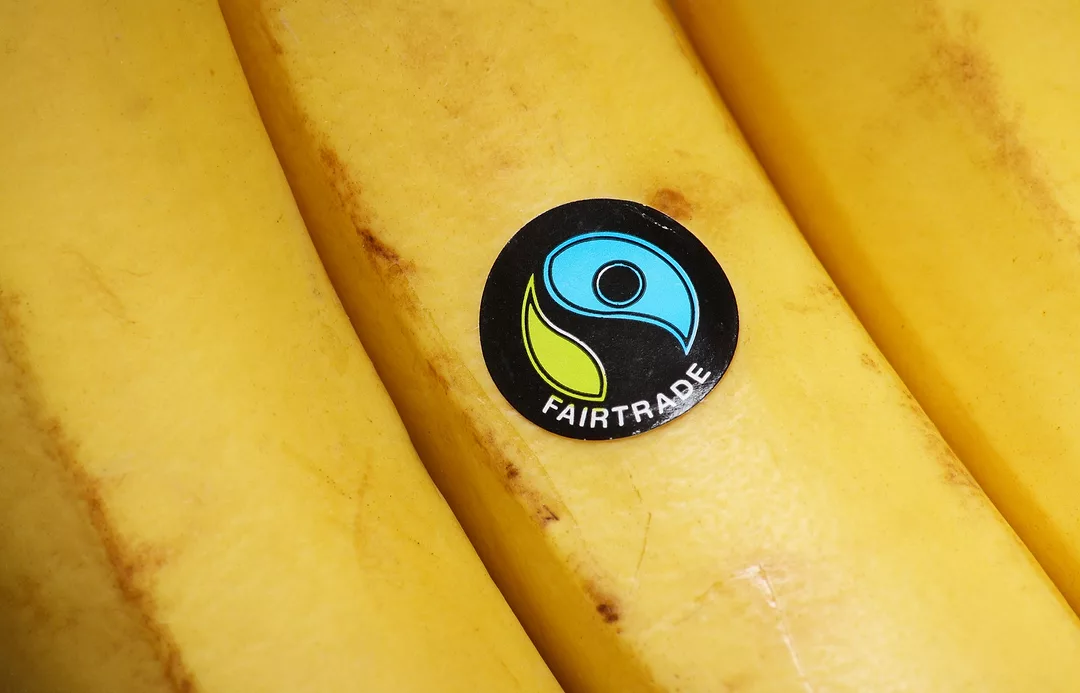
The number of socially conscious consumers is on the rise. Their shopping preferences comprise a good percentage of today's retail sales. As a result, research findings report that surveyed health, environmental and socially conscious shoppers are more likely to purchase a chocolate bar that supports endangered wildlife or a manufacturer that gives a generous portion of the profits to cocoa farmers in developing countries as a preference over similar products and brands. This demonstrates that consumers want to know that products are ethically produced, ethically sourced and supportive to the laborers who produce them. Those with fair trade preferences also tend to favor ethnic goods reflecting the cultural traditions of the world's local indigenous artisans.
Today, increasing numbers of consumers look for the Fair Trade logo. A reputable Fair Trade label ensures fair labor (as opposed to sweat shop or forced child labor) as well as workshop nondiscrimination, safe, healthy working conditions and reasonable work hours. The Fair Trade label also ensures that funds generated by the sale of the products will be invested in community development programs and environmental sustainability in addition to ensuring traceability and transparency of the foods and ingredients produced. Fair Trade labels most commonly seen on ethically sourced products include Fair Trade America, Fair Trade USA (FTUSA), The Fair Trade Federation (FTF) as well as the World Fair Trade Organization (WFTO).
Founding Principles of Fair Trade The Fair Trade movement was founded to establish an alternative global market with the aim of creating a better world. Working to ensure adequate education, food, housing and social standing for small holder farmers, business owners and workers, the following principles are upheld by fair trade worldwide.
• Self-management and participatory democracy i.e. small holder farmers have a say in how their business is conducted. • Self-efficacy, Self-respect and farmer dignity • Gender equality • Justice • Equity • Transparency • Trust • Respect for local cultures
With regard to trade and business practices the Fair Trade movement supports the following.
• Direct trade which connects producers and consumers with no time or money lost • Commitment to top quality goods • Sustainable pricing and commitment to worker/owner compensation that pays fair wages to acknowledge the extra time and effort involved in ensuring the highest level of quality • Favoring small scale operations to benefit local economies throughout the supply chain • Emphasis on strong local economy to provide long range support for producers, workers and their families.
The Fair Trade movement also requires that all products show respect for human health (no toxic substances or production methods) as well as respect for the environment.
Each year World Fair Trade Day is celebrated by small scale farmers, producers, manufacturers and artisans around the world. This year the celebration will emphasize the importance of both innovative and traditional practices.
• Regenerative Agriculture practices including crop rotation, the importance of cover crops, composting and the avoidance of synthetic fertilizers. • Diverse, intercropped forests as important ecosystems. Examples include canopy trees which hold soil in place on hillsides or cultivation of crops which provide sustainable income alternatives to more destructive agricultural practices such as deforestation. • Education for girls and women's empowerment to produce fair trade products and address climate change. • Traditional land management by indigenous communities who protect indigenous land rights.
This supports local employment in harmony with nature and protects cultural traditions. • Fair prices for farmers. Prices which are too low can encourage deforestation as a means of economic survival for underpaid farmers who may seek to expand their farmlands to increase income. Reforestation is important to inhibit climate change. • Premiums to support community development projects for fair trade farmers, laborers and producers. These include schools, health clinics and housing projects. • Educating consumers to choose wisely and to advocate these principles in their local communities in support of fair trade producers world wide.
Look for the Fair Trade label when shopping natural and organic to enjoy a new world of ethically produced products!
Simi Summer, PhD is an independent researcher and freelance writer. She is a strong advocate of organic consumer education and informed consumer choices.
Today, increasing numbers of consumers look for the Fair Trade logo. A reputable Fair Trade label ensures fair labor (as opposed to sweat shop or forced child labor) as well as workshop nondiscrimination, safe, healthy working conditions and reasonable work hours. The Fair Trade label also ensures that funds generated by the sale of the products will be invested in community development programs and environmental sustainability in addition to ensuring traceability and transparency of the foods and ingredients produced. Fair Trade labels most commonly seen on ethically sourced products include Fair Trade America, Fair Trade USA (FTUSA), The Fair Trade Federation (FTF) as well as the World Fair Trade Organization (WFTO).
Founding Principles of Fair Trade The Fair Trade movement was founded to establish an alternative global market with the aim of creating a better world. Working to ensure adequate education, food, housing and social standing for small holder farmers, business owners and workers, the following principles are upheld by fair trade worldwide.
• Self-management and participatory democracy i.e. small holder farmers have a say in how their business is conducted. • Self-efficacy, Self-respect and farmer dignity • Gender equality • Justice • Equity • Transparency • Trust • Respect for local cultures
With regard to trade and business practices the Fair Trade movement supports the following.
• Direct trade which connects producers and consumers with no time or money lost • Commitment to top quality goods • Sustainable pricing and commitment to worker/owner compensation that pays fair wages to acknowledge the extra time and effort involved in ensuring the highest level of quality • Favoring small scale operations to benefit local economies throughout the supply chain • Emphasis on strong local economy to provide long range support for producers, workers and their families.
The Fair Trade movement also requires that all products show respect for human health (no toxic substances or production methods) as well as respect for the environment.
Each year World Fair Trade Day is celebrated by small scale farmers, producers, manufacturers and artisans around the world. This year the celebration will emphasize the importance of both innovative and traditional practices.
• Regenerative Agriculture practices including crop rotation, the importance of cover crops, composting and the avoidance of synthetic fertilizers. • Diverse, intercropped forests as important ecosystems. Examples include canopy trees which hold soil in place on hillsides or cultivation of crops which provide sustainable income alternatives to more destructive agricultural practices such as deforestation. • Education for girls and women's empowerment to produce fair trade products and address climate change. • Traditional land management by indigenous communities who protect indigenous land rights.
This supports local employment in harmony with nature and protects cultural traditions. • Fair prices for farmers. Prices which are too low can encourage deforestation as a means of economic survival for underpaid farmers who may seek to expand their farmlands to increase income. Reforestation is important to inhibit climate change. • Premiums to support community development projects for fair trade farmers, laborers and producers. These include schools, health clinics and housing projects. • Educating consumers to choose wisely and to advocate these principles in their local communities in support of fair trade producers world wide.
Look for the Fair Trade label when shopping natural and organic to enjoy a new world of ethically produced products!
Simi Summer, PhD is an independent researcher and freelance writer. She is a strong advocate of organic consumer education and informed consumer choices.
Recommended For You
Latest Publication

June/July 2026

2026 Deep Dive Active Nutrition Market

2026 Deep Dive Cardiovascular Health
May 2026