RSS
RSS
Quicklinks
WholeFoods Magazine
The Trouble With Strawberries
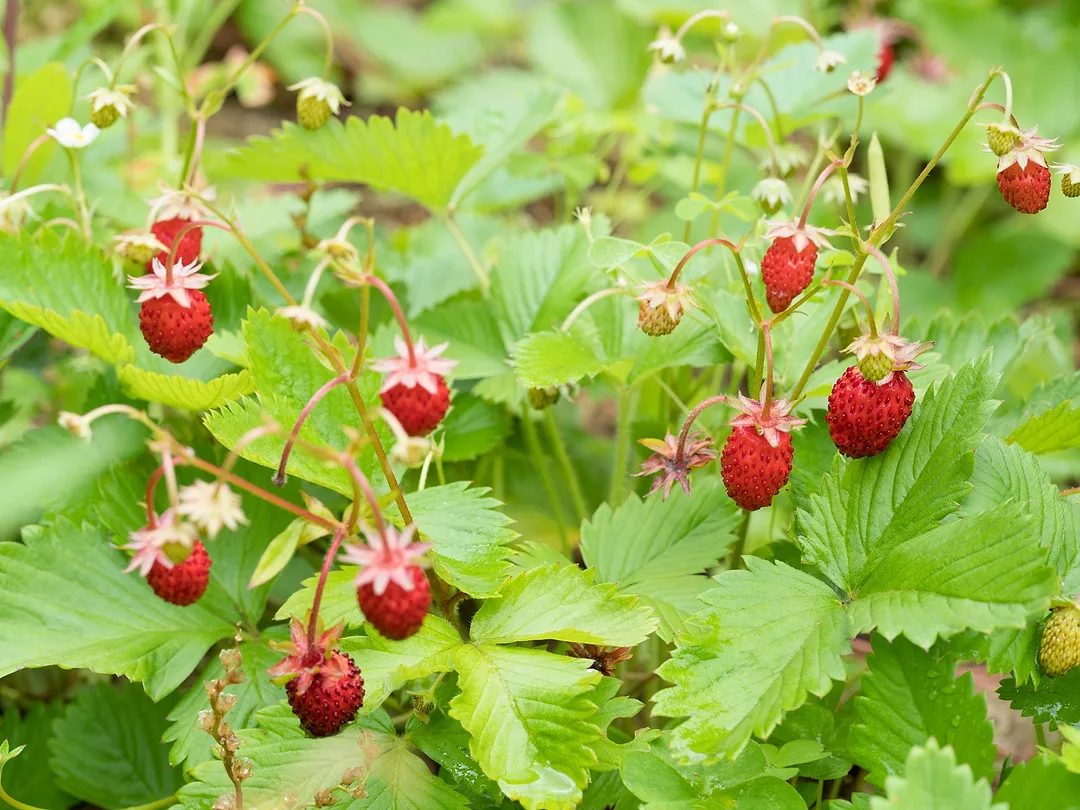
Wild strawberries! Small, red, sweet — the unforgettable flavor of summer. But after decades of cultivation, the berries seem to have lost the memory of their wild origins. Often more white than red, unnaturally large and devoid of the inherent sweetness, texture and flavor of wild berries, strawberries can be a disappointing almost indigestible purchase even when organic.
Perhaps the problem is the fact that strawberries are often shipped long distances or from out of the country. Perhaps it is because the berries are one of the highest ranking fruits for pesticide applications. The Environmental Working Group's annual Dirty Dozen/Clean 15 list reported that conventionally grown strawberries were found to have residues of up to twenty pesticides on one berry.
Or maybe the problem is modified atmosphere packaging (MAP) used to control or modify the atmosphere surrounding fresh produce. This technology substitutes the atmospheric air inside a package with protective gas i.e. the gas in the package helps ensure that the product will stay fresh for as long as possible. Perhaps the berries are also being altered by the use of edible films and coatings. Originally designed to increase shelf life and retard spoilage, these invisible films, promoted as being digestible, are often made from a variety of antimicrobials, plasticizers, texturizers and fruit waxes. Food science research enthusiastically supports the use of such films and coatings.
In the case of strawberries the use of the coatings seems to be a matter of profit. Strawberry retail sales are soaring but because strawberries perish quickly and are susceptible to bruising, they are a prime candidate for the invisible coatings. Research has shown that edible active coatings (EACs) used on strawberries are often composed of pectin, pullulan and chitosan. The pectin may be sourced from non-organic pesticide laden fruit. Chitosan coating made of crustacean shells is not a vegetarian product Pullulan is a polysaccharide polymer produced from starch by a fungus. The EACs may also contain sodium benzoate and potassium sorbet used to reduce microbial growth and fruit softening as they preserve color, flavor and texture as a means to increase shelf life.
The problem is that consumers may not want to ingest these invisible unlabeled substances. Based on trends in FAV coatings, one has to consider that if your produce tastes like plastic EACs may be the causative factor. And because strawberries are extremely fragile and require protection during shipping and storage, the large picture-perfect strawberries which you plan to use for your next strawberry shortcake, may be in fact be coasted with all kinds of things you don't really want to eat.
So what's the remedy? Petitioning the National Organic Standards Board to make substantial changes to protect the purity of the organic standard is a challenge.This includes amending rulings for coatings. For this reason, the only viable solution is to grown your own, buy local from reputable organic growers or ideally find organic growers who offer "pick your own" options to ensure that your produce is fresh picked by you and therefore traceable from field to table.
With this in mind, this spring's priority might be to make space for a mini garden, assuming that the neighbors are not busy spraying glyphosate. Otherwise, you might have to find land for a community garden in a more pristine location. You will need good quality, well draining soil and adequate space to grow at least a couple of rows of berries to produce an adequate quantity. Adding a wire fence is essential to keep the bunnies out as they may be extremely interested in consuming your crop. You can find helpful links on-line with tips for home gardeners for growing your own.
Finding reputable sources of organic seeds and plants is essential. You may be delightfully surprised to see that heirloom seed/plant companies offer an exciting variety of flowers and plants. This is the key to "hard to find" sources of wild and indigenous berries. Favoring the wild varieties rather than today's hybrid cultivated berries will be rewarding in terms of taste and flavor.
Or Try Raspberries On the other hand, you might want to avoid strawberries altogether and instead grow raspberries. In this case both the fruits and the leaves (used for raspberry tea) are edible. A large raspberry patch can be almost maintenance free and will produce an abundant quantity of great tasting fruit. You can add an organic asparagus patch as a border. Blackberries, black raspberries, marion berries and other wild varieties can also be cultivated without much effort. They make flavorful pie, taste great with fresh cream or can be baked into muffins.
When all is said and done, the field of your dreams may be filled with homegrown berries. Choose certified soil-grown organic, fresh local, fresh-picked for your family's health and the health of the planet.
Simi Summer, PhD is an independent researcher and freelance writer. She is a strong proponent of organic consumer education and informed consumer choices.
Perhaps the problem is the fact that strawberries are often shipped long distances or from out of the country. Perhaps it is because the berries are one of the highest ranking fruits for pesticide applications. The Environmental Working Group's annual Dirty Dozen/Clean 15 list reported that conventionally grown strawberries were found to have residues of up to twenty pesticides on one berry.
Or maybe the problem is modified atmosphere packaging (MAP) used to control or modify the atmosphere surrounding fresh produce. This technology substitutes the atmospheric air inside a package with protective gas i.e. the gas in the package helps ensure that the product will stay fresh for as long as possible. Perhaps the berries are also being altered by the use of edible films and coatings. Originally designed to increase shelf life and retard spoilage, these invisible films, promoted as being digestible, are often made from a variety of antimicrobials, plasticizers, texturizers and fruit waxes. Food science research enthusiastically supports the use of such films and coatings.
In the case of strawberries the use of the coatings seems to be a matter of profit. Strawberry retail sales are soaring but because strawberries perish quickly and are susceptible to bruising, they are a prime candidate for the invisible coatings. Research has shown that edible active coatings (EACs) used on strawberries are often composed of pectin, pullulan and chitosan. The pectin may be sourced from non-organic pesticide laden fruit. Chitosan coating made of crustacean shells is not a vegetarian product Pullulan is a polysaccharide polymer produced from starch by a fungus. The EACs may also contain sodium benzoate and potassium sorbet used to reduce microbial growth and fruit softening as they preserve color, flavor and texture as a means to increase shelf life.
The problem is that consumers may not want to ingest these invisible unlabeled substances. Based on trends in FAV coatings, one has to consider that if your produce tastes like plastic EACs may be the causative factor. And because strawberries are extremely fragile and require protection during shipping and storage, the large picture-perfect strawberries which you plan to use for your next strawberry shortcake, may be in fact be coasted with all kinds of things you don't really want to eat.
So what's the remedy? Petitioning the National Organic Standards Board to make substantial changes to protect the purity of the organic standard is a challenge.This includes amending rulings for coatings. For this reason, the only viable solution is to grown your own, buy local from reputable organic growers or ideally find organic growers who offer "pick your own" options to ensure that your produce is fresh picked by you and therefore traceable from field to table.
With this in mind, this spring's priority might be to make space for a mini garden, assuming that the neighbors are not busy spraying glyphosate. Otherwise, you might have to find land for a community garden in a more pristine location. You will need good quality, well draining soil and adequate space to grow at least a couple of rows of berries to produce an adequate quantity. Adding a wire fence is essential to keep the bunnies out as they may be extremely interested in consuming your crop. You can find helpful links on-line with tips for home gardeners for growing your own.
Finding reputable sources of organic seeds and plants is essential. You may be delightfully surprised to see that heirloom seed/plant companies offer an exciting variety of flowers and plants. This is the key to "hard to find" sources of wild and indigenous berries. Favoring the wild varieties rather than today's hybrid cultivated berries will be rewarding in terms of taste and flavor.
Or Try Raspberries On the other hand, you might want to avoid strawberries altogether and instead grow raspberries. In this case both the fruits and the leaves (used for raspberry tea) are edible. A large raspberry patch can be almost maintenance free and will produce an abundant quantity of great tasting fruit. You can add an organic asparagus patch as a border. Blackberries, black raspberries, marion berries and other wild varieties can also be cultivated without much effort. They make flavorful pie, taste great with fresh cream or can be baked into muffins.
When all is said and done, the field of your dreams may be filled with homegrown berries. Choose certified soil-grown organic, fresh local, fresh-picked for your family's health and the health of the planet.
Simi Summer, PhD is an independent researcher and freelance writer. She is a strong proponent of organic consumer education and informed consumer choices.
Recommended For You
Latest Publication

August 2026

June/July 2026
2026 Deep Dive Active Nutrition Market

2026 Deep Dive Cardiovascular Health