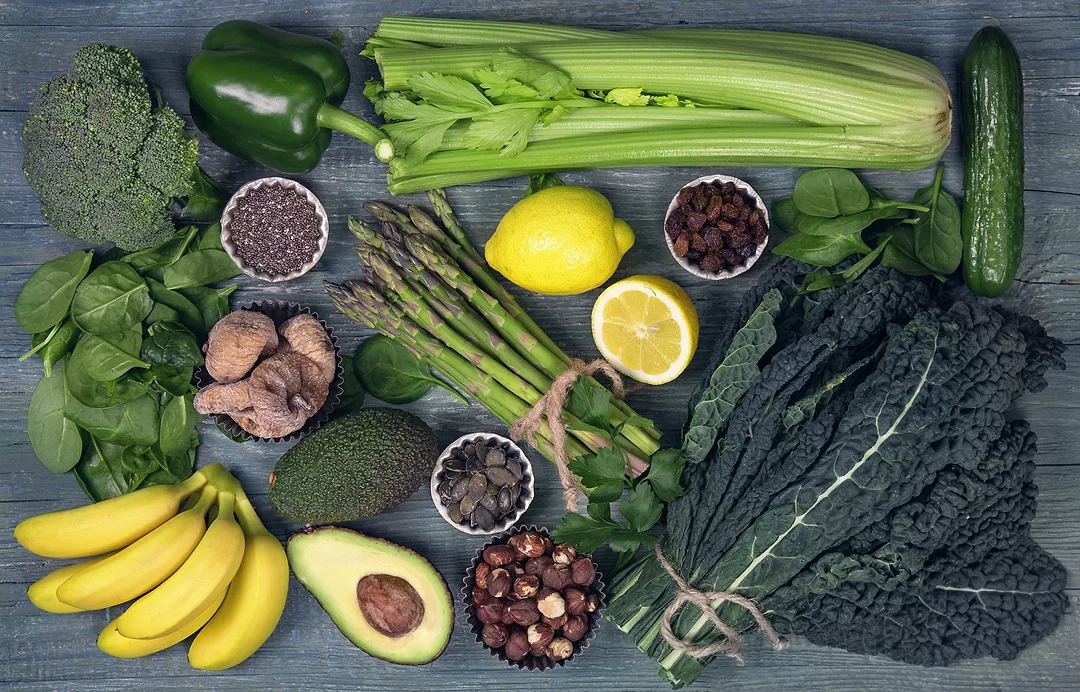
It may be easier than you think to get on track to create perfect health. Lifestyle, exercise adequate fluid consumption as well as ideal daily routine all play their part in creating optimal health. Diet is also an important factor. Choosing fresh organic fruits, vegetables, nuts, seeds, pulses and grains can be a first step when you want to start listening to your body to give it what it really needs. With attention, you can begin to enliven the inner intelligence in each cell necessary to protect and maintain your physiology.
pH as a Measure of Alkalinity
The importance of the correct acid/alkaline balance cannot be overemphasized. The cells in our body live in an alkaline environment and the acid that they produce is a by-product of natural metabolic function. Generally, this natural acid is eliminated through the lungs as nutrients from food are assimilated. When the excess acid is eliminated however, our alkaline reserve can become depleted. This can also happen due to an excess consumption of acid forming foods which can result in a toxic body condition. For this reason monitoring pH
and the degree of acidity in the body can be an effective tool for good health and prevention.
What is pH?
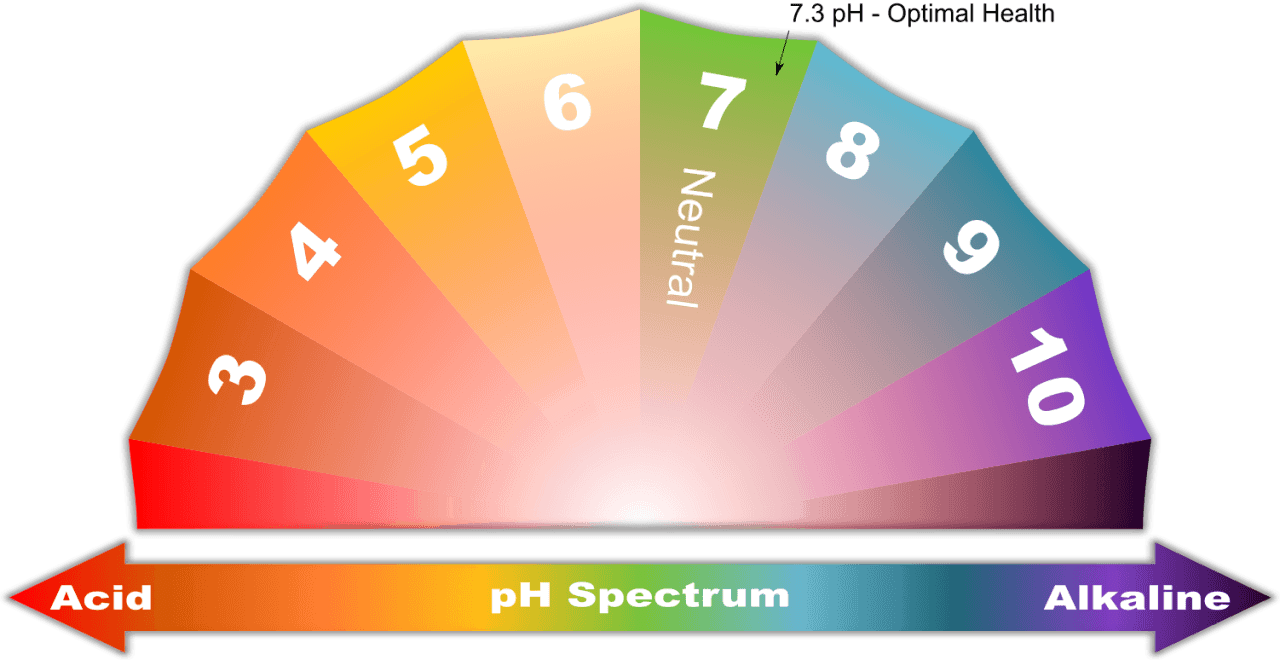
pH is an abbreviation for potential of hydrogen. The pH levels of your body fluids are said to directly affect your health. The degree of pH is relative to the degree of alkalinity in the body i.e. an acid solution has a lower pH, an alkaline solution has a higher pH. The pH scale ranges from 0.00 (which indicates that the solution is completely acid) to 14.00 (which indicates that the solution is completely alkaline.) Distilled water, for example, has a pH of 7.00.
Our dietary choices contribute directly to the alkalinity of the body. In today's fast food, high carbohydrate world (pizza, pasta, fries, burgers, cola, coffee) it is very easy for the body to become overly acid because the majority of foods we consume are likely to be acid forming.
Conversely health practitioners recommend a ratio of 75% fruits and vegetables in our diet and 25% everything else. Because the majority of fruits and vegetables are alkaline, when you wish to increase the alkalinity of the body you can eat almost unlimited amounts of salad, sprouts, fruit and vegetable juices as well as cooked or steamed vegetables, grains such as millet and quinoa, honey and healthy fats such as olive oil. Sprouted grains and sprouted grain breads can also be alkaline. Salt on the other hand can have an acidic effect on the body as do most starchy foods, acid forming grains, beans, dairy products including cheese, ice cream, meats, eggs, processed foods, trans fats, high fructose corn syrup, confections and candies. The good news is that an acid bodily condition can also be made more alkaline by adding minerals such as potassium, calcium and sodium. And adequate sunshine is said to have an alkalizing effect.
The Desired pH Levels
Each part of the body has an optimal pH level for optimal functioning. For example blood has a normal pH of about 7.35 - 7.45. On the other hand your stomach fluids are generally very acid. To determine the pH in your body, experts recommend simple saliva and urine tests. Healthy individuals are said to have a pH of about 7.0 measured first thing in the morning. If you have been eating alkalizing minerals, your body pH will stay within safe levels throughout the day. Research also suggests that if the body's alkalinity is not controlled and maintained, it can lead to symptoms of chronic or degenerative disease.
The easiest way to ensure the correct degree of alkalinity in the body is through diet and supplementation. Abundant quantities of fresh vegetable juices can assist your body in building up a reserve of alkalizing minerals. Fresh juices made with a mix of beets (for potassium), greens including kale, parsley, celery and cucumber are also a good source of minerals (including calcium and natural sodium) and help to restock your alkaline and
electrolyte reserves which are a necessity for good health. If your pH is lower than 7.0, it is an indication that your alkaline reserves have been depleted and its time to begin an alkaline diet. You can also consider supplementing your diet with barley grass juice, wheat grass juice or other green drink supplements.
Today's fast pace of life, may make it challenging to maintain a healthy diet while at work, at school or when traveling. But focused attention on the dietary changes needed to protect your health may result in greater longevity and the maintenance of a healthier quality of life for years to come. Check out your acid/alkaline connection and begin to enjoy a new level of healthy living.
Simi Summer, PhD is an independent researcher and freelance writer. She is a strong proponent of organic consumer education and informed consumer choices.


 RSS
RSS