RSS
RSS
Quicklinks
WholeFoods Magazine

Keep Your Heart Healthy. You’ll Be Glad You Did
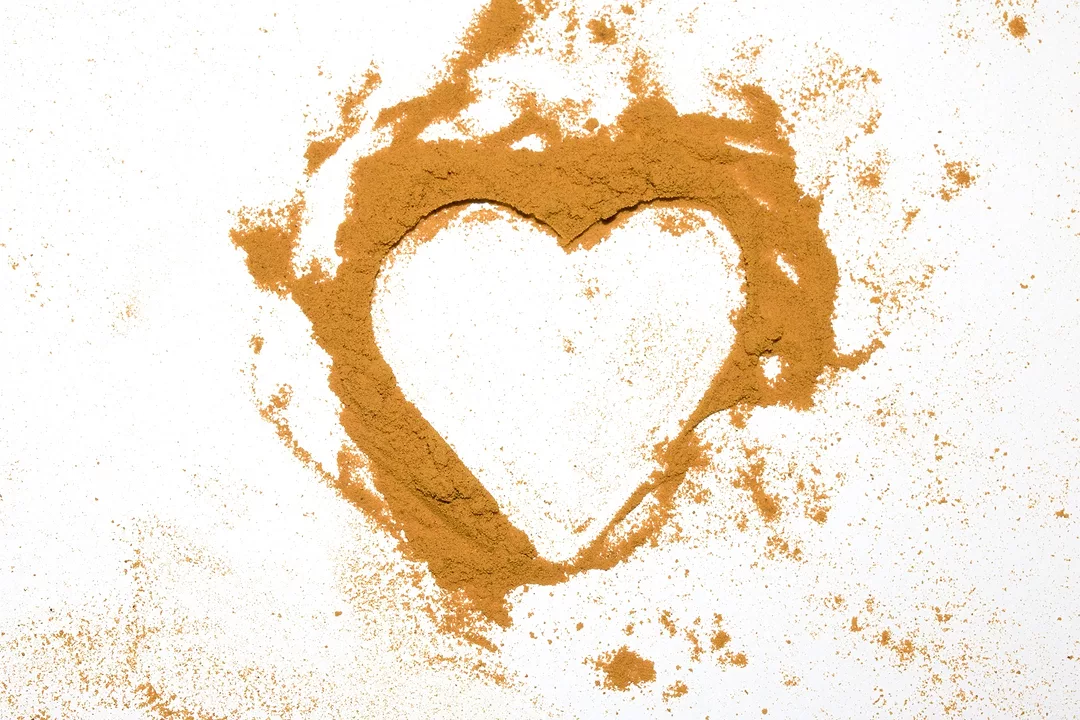
Your heart has the most important job in your body — keep you alive. Connected to every organ and tissue, each pump of your heart ensures that oxygen and nutrients reach each cell of your body. The thousands of miles of arteries and veins that make up the cardiovascular system play a critical role in the proper functioning of this system. Composed of several layers, the endothelium is the innermost layer of blood vessels and acts as an interface between blood and the vessel wall. It is also in this layer where cardiovascular disease can take root.
Research suggests that heart disease results from changes in the endothelium that can begin early in life and take decades to develop. Called endothelial dysfunction, one of the first changes to appear is the inability of blood vessels to dilate in response to various stimuli like physical activity. In healthy blood vessels, endothelium-dependent dilation predominates and is primarily regulated by nitric oxide produced by endothelium-derived nitric oxide synthase (eNOS). Therefore, decreased production of NO, manifested as impaired dilation, may be one of the earliest indicators of CVD. Several factors are known to decrease nitric oxide and include: increased oxidative stress, hypertension, increased blood sugar, high cholesterol and oxidized LDL, obesity, cigarette smoking and advancing age. Finding natural compounds that support healthy endothelial function (and a healthy heart) can have profound implications for individuals with no clinical manifestations of CVD yet are at higher risk. A novel approach to evaluating the effects of compounds on endothelial function have used a technique called flow mediated dilation — or FMD.
Flow mediated dilation is a process that reflects the ability of blood vessels to dilate and is a useful tool to assess endothelial function and cardiovascular disease risk. Higher FMD values represent lower risk. A recently study examined the impact curcumin on FMD and may be a new ally in the fight against heart disease. As a randomized, double-blind, placebo-controlled, prospective study, fifty-nine healthy individuals aged 19 to 29 years were supplemented with either placebo, 50 mg curcumin or 200 curcumin for 8-weeks. At the end of the study those supplementing with 200 mg of curcumin showed a significant 37% improvement in FMD. Because every 1% increase in FMD correlates to a 9-17% decrease in CVD risk, supplementing with 200 mg of curcumin can potentially reduce cardiovascular risk by 15 — 50% in healthy individuals.
Cardiovascular disease is the leading cause of death globally and its genesis has roots in endothelial function. The growing epidemics of hypertension, diabetes and obesity are factors that can impair vascular function and contribute to the rising costs of healthcare. Curcumin is a potential strategy for the early prevention of CVD and its associated costs. Using flow mediated dilation to assess endothelial function, curcumin is a simple, natural approach to keep the most important muscle in your body healthy so that you can stay healthy.
References
Research suggests that heart disease results from changes in the endothelium that can begin early in life and take decades to develop. Called endothelial dysfunction, one of the first changes to appear is the inability of blood vessels to dilate in response to various stimuli like physical activity. In healthy blood vessels, endothelium-dependent dilation predominates and is primarily regulated by nitric oxide produced by endothelium-derived nitric oxide synthase (eNOS). Therefore, decreased production of NO, manifested as impaired dilation, may be one of the earliest indicators of CVD. Several factors are known to decrease nitric oxide and include: increased oxidative stress, hypertension, increased blood sugar, high cholesterol and oxidized LDL, obesity, cigarette smoking and advancing age. Finding natural compounds that support healthy endothelial function (and a healthy heart) can have profound implications for individuals with no clinical manifestations of CVD yet are at higher risk. A novel approach to evaluating the effects of compounds on endothelial function have used a technique called flow mediated dilation — or FMD.
Flow mediated dilation is a process that reflects the ability of blood vessels to dilate and is a useful tool to assess endothelial function and cardiovascular disease risk. Higher FMD values represent lower risk. A recently study examined the impact curcumin on FMD and may be a new ally in the fight against heart disease. As a randomized, double-blind, placebo-controlled, prospective study, fifty-nine healthy individuals aged 19 to 29 years were supplemented with either placebo, 50 mg curcumin or 200 curcumin for 8-weeks. At the end of the study those supplementing with 200 mg of curcumin showed a significant 37% improvement in FMD. Because every 1% increase in FMD correlates to a 9-17% decrease in CVD risk, supplementing with 200 mg of curcumin can potentially reduce cardiovascular risk by 15 — 50% in healthy individuals.
Cardiovascular disease is the leading cause of death globally and its genesis has roots in endothelial function. The growing epidemics of hypertension, diabetes and obesity are factors that can impair vascular function and contribute to the rising costs of healthcare. Curcumin is a potential strategy for the early prevention of CVD and its associated costs. Using flow mediated dilation to assess endothelial function, curcumin is a simple, natural approach to keep the most important muscle in your body healthy so that you can stay healthy.
References
- Davignon J and Ganz P. (2004). Role of endothelial dysfunction in atherosclerosis. Circulation, 109(23 Suppl 1): III27-32.
- Luscher Tf, et al. (1997). Biology of the endothelium. Clin cardiol, 20: 11-3-11-10.
- Kinlat S, et al. (2001). Endothelial function and coronary artery disease. Curr opin Lipidol, 12: 383-389.
- Endres M, et al. (1998). Stroke protection by 3-hydroxyl-3-methylglutaryl (HMG)-CoA reductase inhibitors mediated by endothelial nitric oxide synthase. Proc Natl Acad Sci USA, 95: 8880-8885.
- Moens AL, et al. (2005). Flow-mediated dilation. A diagnostic instrument or an experimental tool? Chest, 127(6):2254-63.
- Napoli C, et al. (2001). Multiple role of reactive oxygen species in the arterial wall. J Cell Biochem, 82: 674-682.
- D’Uscio LV, et al. (2003). Long-term vitamin C therapy treatment increases vascular tetrahydrobiopterin levels and nitric oxide synthase activity. Circ Res, 92: 88-95
- Oliver J, et al. (2016). Novel form of curcumin improves endothelial function in young, healthy individuals: a double-blind placebo controlled study. J Nutr Met, 2016: 1-6. Downloaded at http://dx.doi.org/10.1155/2016/1089653
- Green DJ. (2011). Flow-Mediated Dilation and Cardiovascular Event Prediction Does Nitric Oxide Matter? Hypertension, 57: 363-369.
- American Heart Association. (2015) Heart disease and stroke statistics update.
Recommended For You
Latest Publication
June/July 2026
2026 Deep Dive Active Nutrition Market

2026 Deep Dive Cardiovascular Health
May 2026