RSS
RSS
Quicklinks
WholeFoods Magazine

Making Sense of the New Blood Pressure Guidelines
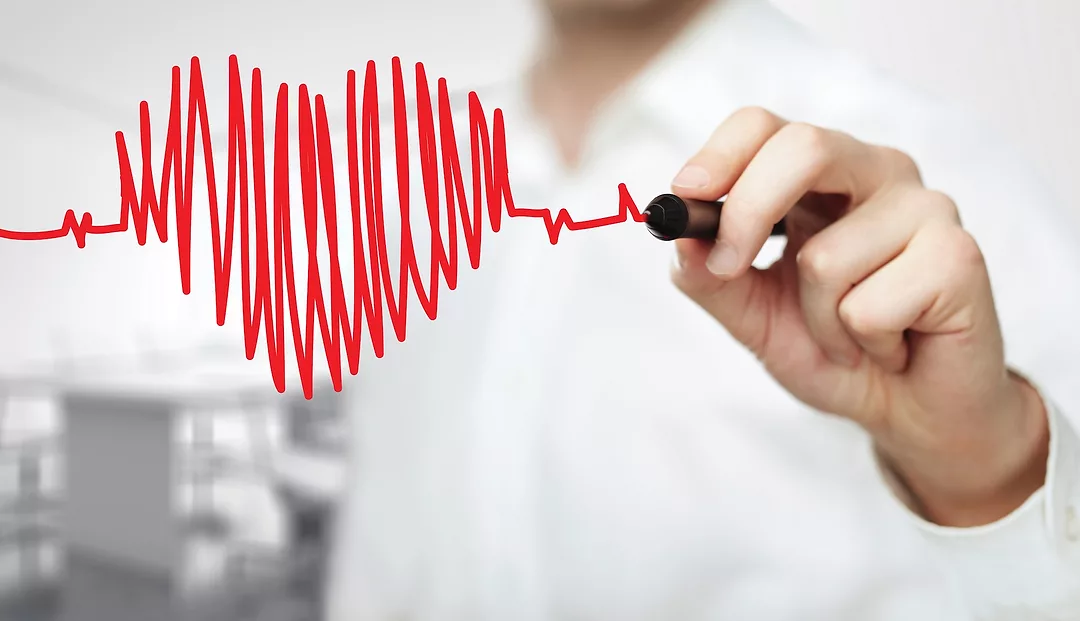
This past November, 46% of American adults awoke one morning to find they had high blood pressure (aka hypertension). In men under age 45, the increase was most startling—hypertension prevalence tripled!
What caused this tremendous jump in blood pressure issues? Hint: It wasn't some catastrophic and widespread public health event.
The massive jump was caused by changes to the guidelines for when to treat for high blood pressure. The American College of Cardiology and the American Heart Association together released guidelines creating new cutoffs for what's considered "healthy" blood pressure. As a result, tens of thousands of people who had been in the healthy range the day before are now considered to have high blood pressure.
Here's what the new levels look like (as a reminder, the top number in a blood pressure reading is called systolic; the bottom number is diastolic):1
Here's what all this means for you. If you were previously told you had "prehypertension," you're now likely to be diagnosed with hypertension. And at any level above the new normal, you're going to be hearing much more from your doctors about blood pressure treatment.
Blood pressure treatment: The good, the bad, and the ugly
There's no doubt about it: High blood pressure needs to be taken seriously. If not controlled, it can lead to heart attack, stroke, aneurysm, and more tragic events. With heart disease as the leading cause of death, it's not to be taken lightly.
That said, many of the pharmaceutical treatments for hypertension come with their own serious risks. There are far too many classes of blood pressure medications (and related risks) to list here. But here are some of the main ones, as well as the side effects they can cause:
A whole-person approach to healthy blood pressure – correcting the causes
Clearly, it's important to keep blood pressure levels in check. But even conventional doctors are beginning to recommend implementing diet and lifestyle fixes before trying risky medications.
Doctors of naturopathy and chiropractic, like myself, have taught for more than 40 years that lifestyle is an essential key to optimal health. My patients who adopted those healthy changes were able to control their blood pressure with this back-to-basics approach.
Start with exercise
The heart is a muscle. If it's out of shape, it will have a harder time pumping blood. Your blood pressure will reflect that. Before starting or resuming any exercise regimen, talk to your doctor about the safest way to do it.
Follow a heart-healthy diet
Set your heart up for success by feeding it right. Some experts recommend reducing sodium, although I’m a fan of mineral-rich, deep-sea Celtic salt. Magnesium is also extremely important for healthy heart function, so look for one that is super absorbable. Focus on eating fresh organic foods like fruits and vegetables, whole-grains, lean, wild meats like bison, nuts and legumes, and healthy fats like extra virgin olive oil. Eliminate trans fats and sugar-sweetened beverages.6
Try homeopathy
Homeopathy addresses heart health in ways that exercise and nutrition alone cannot.
Both exercise and nutrition work on the biochemical (literally “life chemical”) level. Homeopathy works on a bioenergetic (“life energy”) level. It's similar to how chiropractic and acupuncture treatments help open the body's energy flows.
Another huge benefit to homeopathic medicine is that it has been used safely worldwide for more than 200 years. It has no known negative side effects, no overdose potential, and no known medical or drug interactions.
Even better, according to Samuel Hahnemann, MD, homeopathy’s founder, and verified by homeopaths worldwide, homeopathic medicine can correct inherited genetic predispositions for weak arteries, irregular pulse, or poor circulation.
Look at homeopathically prepared gold (Aurum metallicum), for example. It has been used to safely relieve rapid, irregular pulse and feeble heartbeat. Baryta muriatica relieves hypertension, vascular degeneration, and heart palpitations. And Convallaria majalis has been used to relieve symptoms of extremely rapid and irregular pulse from the slightest exertion.
These homeopathic ingredients (and many more) appear in multiple potencies in our circulatory formulas, which target a wide range of heart and circulatory symptoms.
Healthy blood pressure, starting today
Humanity faces more health challenges in our modern world than we ever have. Yet homeopathic medicine offers great hope by helping us adapt, detoxify, and not just survive, but thrive, as we work toward a better future.
Homeopathy is the perfect complement to caring for the whole person and addressing the underlying causes behind specific heart health issues.
REFERENCES
What caused this tremendous jump in blood pressure issues? Hint: It wasn't some catastrophic and widespread public health event.
The massive jump was caused by changes to the guidelines for when to treat for high blood pressure. The American College of Cardiology and the American Heart Association together released guidelines creating new cutoffs for what's considered "healthy" blood pressure. As a result, tens of thousands of people who had been in the healthy range the day before are now considered to have high blood pressure.
Here's what the new levels look like (as a reminder, the top number in a blood pressure reading is called systolic; the bottom number is diastolic):1
- Normal levels are now under or less than (<) 120 systolic and under 80 diastolic (<120/<80).
- Elevated levels are now 120-129 systolic and over or greater than (>) 80 diastolic.
- Stage 1 hypertension levels are 130-139 systolic or 80-89 diastolic.
- Stage 2 hypertension levels are 140 or over systolic or 90 or over diastolic (140>/90>).
Here's what all this means for you. If you were previously told you had "prehypertension," you're now likely to be diagnosed with hypertension. And at any level above the new normal, you're going to be hearing much more from your doctors about blood pressure treatment.
Blood pressure treatment: The good, the bad, and the ugly
There's no doubt about it: High blood pressure needs to be taken seriously. If not controlled, it can lead to heart attack, stroke, aneurysm, and more tragic events. With heart disease as the leading cause of death, it's not to be taken lightly.
That said, many of the pharmaceutical treatments for hypertension come with their own serious risks. There are far too many classes of blood pressure medications (and related risks) to list here. But here are some of the main ones, as well as the side effects they can cause:
- Beta blockers can cause insomnia, depression, asthma-like symptoms, and exhaustion.2
- Calcium channel blockers are linked to constipation, headaches, and dizziness.3
- Diuretics compromise your body's potassium supplies. That can result in weakness, leg cramps, and exhaustion.4
A whole-person approach to healthy blood pressure – correcting the causes
Clearly, it's important to keep blood pressure levels in check. But even conventional doctors are beginning to recommend implementing diet and lifestyle fixes before trying risky medications.
Doctors of naturopathy and chiropractic, like myself, have taught for more than 40 years that lifestyle is an essential key to optimal health. My patients who adopted those healthy changes were able to control their blood pressure with this back-to-basics approach.
Start with exercise
The heart is a muscle. If it's out of shape, it will have a harder time pumping blood. Your blood pressure will reflect that. Before starting or resuming any exercise regimen, talk to your doctor about the safest way to do it.
Follow a heart-healthy diet
Set your heart up for success by feeding it right. Some experts recommend reducing sodium, although I’m a fan of mineral-rich, deep-sea Celtic salt. Magnesium is also extremely important for healthy heart function, so look for one that is super absorbable. Focus on eating fresh organic foods like fruits and vegetables, whole-grains, lean, wild meats like bison, nuts and legumes, and healthy fats like extra virgin olive oil. Eliminate trans fats and sugar-sweetened beverages.6
Try homeopathy
Homeopathy addresses heart health in ways that exercise and nutrition alone cannot.
Both exercise and nutrition work on the biochemical (literally “life chemical”) level. Homeopathy works on a bioenergetic (“life energy”) level. It's similar to how chiropractic and acupuncture treatments help open the body's energy flows.
Another huge benefit to homeopathic medicine is that it has been used safely worldwide for more than 200 years. It has no known negative side effects, no overdose potential, and no known medical or drug interactions.
Even better, according to Samuel Hahnemann, MD, homeopathy’s founder, and verified by homeopaths worldwide, homeopathic medicine can correct inherited genetic predispositions for weak arteries, irregular pulse, or poor circulation.
Look at homeopathically prepared gold (Aurum metallicum), for example. It has been used to safely relieve rapid, irregular pulse and feeble heartbeat. Baryta muriatica relieves hypertension, vascular degeneration, and heart palpitations. And Convallaria majalis has been used to relieve symptoms of extremely rapid and irregular pulse from the slightest exertion.
These homeopathic ingredients (and many more) appear in multiple potencies in our circulatory formulas, which target a wide range of heart and circulatory symptoms.
Healthy blood pressure, starting today
Humanity faces more health challenges in our modern world than we ever have. Yet homeopathic medicine offers great hope by helping us adapt, detoxify, and not just survive, but thrive, as we work toward a better future.
Homeopathy is the perfect complement to caring for the whole person and addressing the underlying causes behind specific heart health issues.
REFERENCES
- New ACC/AHA High Blood Pressure Guidelines Lower Definition of Hypertension - American College of Cardiology, http://www.acc.org/latest-in-cardiology/articles/2017/11/08/11/47/mon-5pm-bp-guideline-aha-2017
- Types of Blood Pressure Medications, Beta blocker risks, http://www.heart.org/HEARTORG/Conditions/HighBloodPressure/MakeChangesThatMatter/Types-of-Blood-Pressure-Medications_UCM_303247_Article.jsp#.WoG-q5M-dTY
- Types of Blood Pressure Medications, calcium channel blocker risks, http://www.heart.org/HEARTORG/Conditions/HighBloodPressure/MakeChangesThatMatter/Types-of-Blood-Pressure-Medications_UCM_303247_Article.jsp#.WoG-q5M-dTY
- Types of Blood Pressure Medications, Risks of diuretics, http://www.heart.org/HEARTORG/Conditions/HighBloodPressure/MakeChangesThatMatter/Types-of-Blood-Pressure-Medications_UCM_303247_Article.jsp#.WoG-q5M-dTY
- Blood pressure medications can lead to increased risk of stroke -- ScienceDaily, Blood pressure medications can lead to increased risk of stroke, https://www.sciencedaily.com/releases/2015/05/150529193554.htm
- Managing Blood Pressure with a Heart-Healthy Diet, Managing Blood Pressure with a Heart-Healthy Diet, http://www.heart.org/HEARTORG/Conditions/HighBloodPressure/MakeChangesThatMatter/Managing-Blood-Pressure-with-a-Heart-Healthy-Diet_UCM_301879_Article.jsp#.WoIKTJM-cWo
Dr. Frank King is founder and president of Dr. King’s by KingBio in Asheville, N.C. In addition to being a practitioner in the healing arts, he is a fourth-generation family farmer.
Recommended For You
Latest Publication

August 2026

June/July 2026
2026 Deep Dive Active Nutrition Market

2026 Deep Dive Cardiovascular Health