RSS
RSS
Quicklinks
WholeFoods Magazine

Jack Challem: The Nutrition Reporter
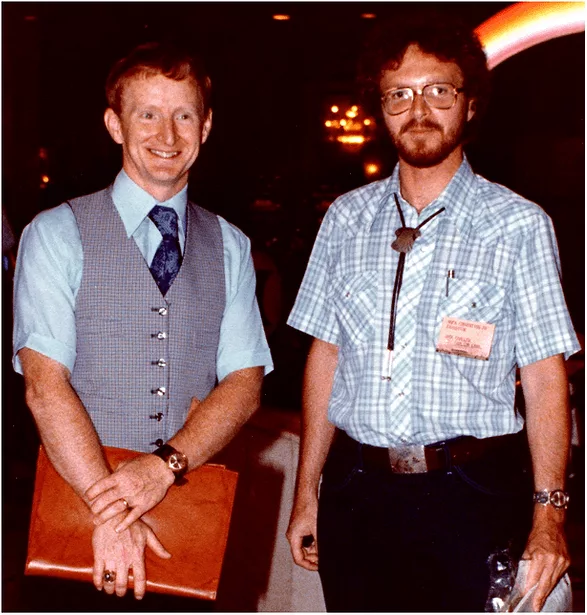
Perhaps you were a subscriber to Jack Challem’s informative Nutrition Reporter ™. And, maybe you attended some of his lectures. Or read some of his books and more than a thousand articles over the decades. Hopefully, you read our six interviews with Jack in Vitamin Connection. Jack’s writing and teachings have positively affected the health of many people. It was our great loss when Jack succumbed to pancreatic cancer on April 13 at the age of 66.
Jack Challem earned his title “THE Nutrition Reporter” decades ago for his in-depth reporting to the public before the era of the internet. I have known Jack Challem since the days when he wrote nutrition articles for Bestways, starting in 1974, and continuing to Let’s Live, in 1978 and then on to dozens of nutrition-oriented magazines. Jack’s body of work included his books, his newsletter and more than 1,000 magazine articles. Jack was also the series editor for several of my books in the Basic Health Publications’ User’s Guide Series.
Jack authored more than 20 books including “Feed Your Genes Right” (Wiley, March 2005), “The Inflammation Syndrome: The Complete Nutritional Program to Prevent and Reverse Heart Disease, Arthritis, Skin Problems, Allergies and Asthma” (Wiley, March 2003), “Syndrome X: The Complete Nutritional Program to Prevent and Reverse Insulin Resistance,” with co-authors Burt Berkson, M.D. Ph.D., and Melissa Diane Smith (Wiley, 2000), and “The Natural Health Guide to Beating the Supergerms,” with Dr. Richard Huemer (Simon Schuster, 1997) and “Stop Prediabetes Now” (Wiley, 2011).
On six occasions, Jack was kind enough to chat with me for Vitamin Connection. In June 1997, we discussed “Supergerms;” in March 2000, we had a conversation about “Syndrome X;” in March 2003 it was about “The Inflammation Syndrome” and in March 2005, we chatted about “Feeding Your Genes Right.” In February 2008, Jack and Dr. Ron Hunninghake shared their wisdom about stopping prediabetes with us. In March 2011, we discussed how to reduce fatigue.
He was also a scientist and researcher. Jack was a columnist for Alternative & Complementary Therapies and his scientific articles have also appeared in Free Radical Biology & Medicine, Journal of Orthomolecular Medicine, and Medical Hypotheses. When I met Jack, he was a science writer at the Los Alamos National Laboratory in New Mexico and he applied the same principles of clear writing and inquisitive thinking to his nutrition articles as he did to his physics writings. As his research for his nutrition articles took him more into the basic research behind them, the more he could see some nutritional principals that others had not yet seen. In other words, he could piece together what seemed like isolated bits of research into broader concepts.
As an example, today, most researchers understand the link between inflammation and several diseases. It’s been a revolution. At one time, no one understood this link. Jack’s book, “The Inflammation Syndrome” (2003), was the first to put it all together for the public. In my 2003 interview with Jack in Vitamin Connection, we discussed how for many years, the definition of inflammatory diseases was pretty much limited to arthritis, allergic rhinitis, and other “-itis” diseases. We pointed out, “Now the medical understanding of inflammation has broadened considerably. Heart disease is now believed to be the result of low-grade inflammation of the arteries. At least 30% of all cancers result from chronic inflammation or infection, the latter causing inflammation. Alzheimer’s disease is now considered the consequence of inflammation in the brain. Basically, inflammation plays a fundamental role in all disease processes. It’s one of the key common denominators in diseases, either as a cause or promoter of the disease process. So, reducing inflammation would be an essential step in reversing most diseases.”
My early research involved free radicals, aging and the diseases associated with aging and how nutritional antioxidants were protective. I showed how free radicals could cause inflammation and how antioxidant nutrients could protect against them. Jack reported on how inflammation caused or was otherwise involved in these diseases. Inflammation was the missing bridge between free radicals and the resulting diseases that other scientists could accept. In those days, most scientists would not accept how free radicals, per se, could cause the diseases.
I had the privilege to share the podium with Jack on many occasions. Our lectures well-complemented each other’s. I spoke about free radicals and inflammation and Jack would follow with the link between inflammation and diseases. We enjoyed teasing each other – or trying to embarrass the other – with slides of old photos of us interspersed among our lecture slides.
In 2005, we discussed a new nutritional concept that helped encourage others to do nutrition research. At one time, nutrients were considered only involved in structure and enzyme reactions. There were low RDA amounts required for these essential actions. It was considered that there was no need for any nutrient above that required to prevent deficiency. The discovery that nutrients can interact with genes opened new doors of understanding of roles of nutrients beyond deficiencies. The importance of feeding your genes right is still not understood by most. It is this area of research that I feel is now so important. This is a revolution that started in the mid-1990s, but still hasn’t reached mainstream nutrition. Researchers began reporting that certain nutrients interacted with genes and often determined whether a gene became active or not. The implication is obvious. This explains how antioxidants affect health and disease in profound ways, much more than could previously be explained by the role of nutrients in enzyme function or structural function. Yes, nutrients at the lower levels, required for structure, growth and repair, are very important to health. But, much higher levels of some nutrients, especially antioxidant nutrients, not only reduce the damage from free radicals, but determine whether genes are expressed that in turn determine whether or not one’s risk for cancer or arthritis or heart disease increases. You may have good genes, but if they are not expressed, then they don’t help you. You may have bad genes, but if they are not expressed, they won’t hurt you.
Rest In Peace, my friend.
Jack Challem earned his title “THE Nutrition Reporter” decades ago for his in-depth reporting to the public before the era of the internet. I have known Jack Challem since the days when he wrote nutrition articles for Bestways, starting in 1974, and continuing to Let’s Live, in 1978 and then on to dozens of nutrition-oriented magazines. Jack’s body of work included his books, his newsletter and more than 1,000 magazine articles. Jack was also the series editor for several of my books in the Basic Health Publications’ User’s Guide Series.
Jack authored more than 20 books including “Feed Your Genes Right” (Wiley, March 2005), “The Inflammation Syndrome: The Complete Nutritional Program to Prevent and Reverse Heart Disease, Arthritis, Skin Problems, Allergies and Asthma” (Wiley, March 2003), “Syndrome X: The Complete Nutritional Program to Prevent and Reverse Insulin Resistance,” with co-authors Burt Berkson, M.D. Ph.D., and Melissa Diane Smith (Wiley, 2000), and “The Natural Health Guide to Beating the Supergerms,” with Dr. Richard Huemer (Simon Schuster, 1997) and “Stop Prediabetes Now” (Wiley, 2011).
On six occasions, Jack was kind enough to chat with me for Vitamin Connection. In June 1997, we discussed “Supergerms;” in March 2000, we had a conversation about “Syndrome X;” in March 2003 it was about “The Inflammation Syndrome” and in March 2005, we chatted about “Feeding Your Genes Right.” In February 2008, Jack and Dr. Ron Hunninghake shared their wisdom about stopping prediabetes with us. In March 2011, we discussed how to reduce fatigue.
He was also a scientist and researcher. Jack was a columnist for Alternative & Complementary Therapies and his scientific articles have also appeared in Free Radical Biology & Medicine, Journal of Orthomolecular Medicine, and Medical Hypotheses. When I met Jack, he was a science writer at the Los Alamos National Laboratory in New Mexico and he applied the same principles of clear writing and inquisitive thinking to his nutrition articles as he did to his physics writings. As his research for his nutrition articles took him more into the basic research behind them, the more he could see some nutritional principals that others had not yet seen. In other words, he could piece together what seemed like isolated bits of research into broader concepts.
As an example, today, most researchers understand the link between inflammation and several diseases. It’s been a revolution. At one time, no one understood this link. Jack’s book, “The Inflammation Syndrome” (2003), was the first to put it all together for the public. In my 2003 interview with Jack in Vitamin Connection, we discussed how for many years, the definition of inflammatory diseases was pretty much limited to arthritis, allergic rhinitis, and other “-itis” diseases. We pointed out, “Now the medical understanding of inflammation has broadened considerably. Heart disease is now believed to be the result of low-grade inflammation of the arteries. At least 30% of all cancers result from chronic inflammation or infection, the latter causing inflammation. Alzheimer’s disease is now considered the consequence of inflammation in the brain. Basically, inflammation plays a fundamental role in all disease processes. It’s one of the key common denominators in diseases, either as a cause or promoter of the disease process. So, reducing inflammation would be an essential step in reversing most diseases.”
My early research involved free radicals, aging and the diseases associated with aging and how nutritional antioxidants were protective. I showed how free radicals could cause inflammation and how antioxidant nutrients could protect against them. Jack reported on how inflammation caused or was otherwise involved in these diseases. Inflammation was the missing bridge between free radicals and the resulting diseases that other scientists could accept. In those days, most scientists would not accept how free radicals, per se, could cause the diseases.
I had the privilege to share the podium with Jack on many occasions. Our lectures well-complemented each other’s. I spoke about free radicals and inflammation and Jack would follow with the link between inflammation and diseases. We enjoyed teasing each other – or trying to embarrass the other – with slides of old photos of us interspersed among our lecture slides.
In 2005, we discussed a new nutritional concept that helped encourage others to do nutrition research. At one time, nutrients were considered only involved in structure and enzyme reactions. There were low RDA amounts required for these essential actions. It was considered that there was no need for any nutrient above that required to prevent deficiency. The discovery that nutrients can interact with genes opened new doors of understanding of roles of nutrients beyond deficiencies. The importance of feeding your genes right is still not understood by most. It is this area of research that I feel is now so important. This is a revolution that started in the mid-1990s, but still hasn’t reached mainstream nutrition. Researchers began reporting that certain nutrients interacted with genes and often determined whether a gene became active or not. The implication is obvious. This explains how antioxidants affect health and disease in profound ways, much more than could previously be explained by the role of nutrients in enzyme function or structural function. Yes, nutrients at the lower levels, required for structure, growth and repair, are very important to health. But, much higher levels of some nutrients, especially antioxidant nutrients, not only reduce the damage from free radicals, but determine whether genes are expressed that in turn determine whether or not one’s risk for cancer or arthritis or heart disease increases. You may have good genes, but if they are not expressed, then they don’t help you. You may have bad genes, but if they are not expressed, they won’t hurt you.
Rest In Peace, my friend.
Recommended For You
Latest Publication
June/July 2026
2026 Deep Dive Active Nutrition Market

2026 Deep Dive Cardiovascular Health
May 2026