RSS
RSS
Quicklinks
WholeFoods Magazine
Glyphosate And Your Health
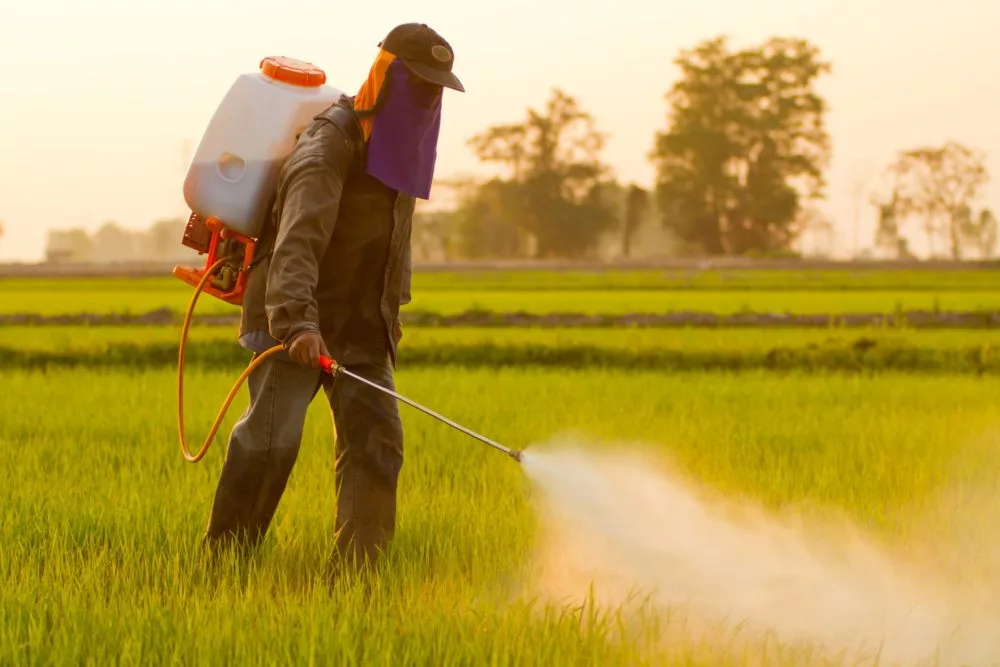
In recent years, the World Health Organization classified glyphosate (the active ingredient in the herbicide Roundup) as a probable carcinogenic. This statement was backed by a number of research studies linking glyphosate to a variety of cancers including non-Hodgkin’s lymphoma, renal cancers, skin cancers and pancreatic cancer. In subsequent meetings glyphosate, the most common herbicide in the world, was given the second highest classification of 2A, out of the five classifications for the carcinogenicity of substances.
Additional research studies link glyphosate to breast cancer, thyroid cancer and liver cancer. Several animal and human studies have shown that glyphosate can cause cell damage, gene mutations and chromosomal aberrations. These types of genetic damage can be the precursors of cancer. A study published in 2004 found that glyphosate-based herbicides caused cell-cycle dysregulation.
According to the researchers, “Cell-cycle dysregulation is a hallmark of tumor cells and human cancers. Failure in the cell-cycle checkpoints leads to genomic instability and subsequent development of cancers from the initial affected cell.” The researchers tested several glyphosate-based pesticides and found that all of them caused cell-cycle dysregulation.A case-controlled study published in 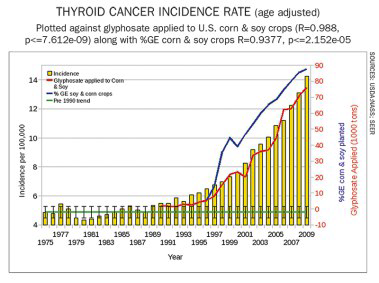 March 1999 by Swedish scientists Lennart Hardell and Mikael Eriksson showed that non-Hodgkin’s lymphoma (NHL) is linked to exposure to a range of pesticides and herbicides, including glyphosate. Peer-reviewed research published in Food and Chemical Toxicology (2013) found that glyphosate at the residue levels commonly found in humans caused between a five and thirteen-fold increase in the multiplication of estrogen-sensitive human breast cancer cells. This is a significant study because 80 percent of breast cancers are estrogen-sensitive. Combined with the study showing that glyphosate causes
cell-cycle dysregulation, this finding suggests that pre-cancerous damage can cause estrogen-sensitive breast tumors to develop and that the cancer will rapidly multiply.
March 1999 by Swedish scientists Lennart Hardell and Mikael Eriksson showed that non-Hodgkin’s lymphoma (NHL) is linked to exposure to a range of pesticides and herbicides, including glyphosate. Peer-reviewed research published in Food and Chemical Toxicology (2013) found that glyphosate at the residue levels commonly found in humans caused between a five and thirteen-fold increase in the multiplication of estrogen-sensitive human breast cancer cells. This is a significant study because 80 percent of breast cancers are estrogen-sensitive. Combined with the study showing that glyphosate causes
cell-cycle dysregulation, this finding suggests that pre-cancerous damage can cause estrogen-sensitive breast tumors to develop and that the cancer will rapidly multiply.
Swanson et al (2014) conducted a peer-reviewed study in the United States which found strong statistical correlations between the rapid increase in glyphosate and GMO crops with 22 diseases including cancers of the liver, kidney, bladder/urinary system and thyroid. Researchers also found correlations between pancreatic cancer incidence and deaths from acute myeloid leukemia.
Glyphosate use has increased dramatically since the introduction of Roundup Ready GMO crops, which are resistant to the herbicide Roundup. Since the introduction of GE seeds in 1996, the amount of glyphosate used on crops in the United States has increased from 27 million pounds in 1996 to 250 million pounds in 2009. According to Charles Benbrook, PhD, a former research professor at the Center for Sustaining Agriculture and Natural Resources, Washington State University, there has been a 527 million pound (239 million kilogram) increase in herbicide use in the United States between 1996 and 2011.
There are numerous studies linking glyphosate to multiple diseases in addition to cancer. This includes birth defects, an adverse effect on metabolic pathways as well as intestinal diseases including botulism, salmonella, Crohn’s disease, celiac disease, gluten intolerance and damage to key organs including the kidneys and liver.
Testing of glyphosate is often not included in food pesticide residue studies such as those published recently by the USDA. Glyphosate and its degradation product, aminomethylphosphonic acid (AMPA), have been detected in the air, surface water, soil and sea water. These studies show that glyphosate and AMPA persist in the soil and water, and the amounts detected are increasing over time with increasing agricultural use. Because glyphosate is found in the air, water and food, it is likely that humans are accumulating it in low doses over time. Glyphosate residues of up to 4.4 parts per million (ppm) have been detected in stems, leaves and beans of glyphosate-resistant soy, indicating uptake of the herbicide into plant tissue.
In Germany, reports of glyphosate in the urine of dairy cows, rabbits and humans ranged from 10-35 ppm. According to the study, “chronically ill humans had significantly higher glyphosate residues in urine than healthy humans.” Furthermore, glyphosate residue levels in the tissues of the kidneys, liver, lung, spleen, muscles and intestines of the dissected cows were comparable to those found in the urine. This means that glyphosate is not being passed through the urine without affecting the organism and that meat and dairy are an additional source of dietary glyphosate for humans. Glyphosate has been found in human breast milk and is able to cross the placenta and damage human placental cells, raising massive concerns about its effects on the fetus and newborn children — one of the most vulnerable groups to minute levels of chemicals.
The fact that glyphosate has been classified as having a high level of carcinogenicity means that its widespread use in GMO crops, as a crop desiccant, in orchards, food production, in children’s playgrounds, sidewalks, roadsides and in home gardens needs to be discontinued. Many have suggested banning this very dangerous chemical. For more information readers are referred to The Myths of Safe Pesticides by Andre Leu. This book highlights the research verifying the dangers and negative health effects of glyphosate. Author André Leu is president of International Federation of Organic Agriculture Movements.
References Swanson, N.L, Leu, A, Abrahamson, J. & Wallet, B. (2014) Genetically engineered crops, glyphosate and the deterioration of health in the United States of America. Journal of Organic Systems. 9, 2.
Simi Summer, Ph.D. is an organic advocate, independent researcher, educator, and freelance writer. She is a strong proponent of organic consumer education and informed consumer choices.
Recommended For You
Latest Publication

August 2026

June/July 2026

2026 Deep Dive Active Nutrition Market

2026 Deep Dive Cardiovascular Health