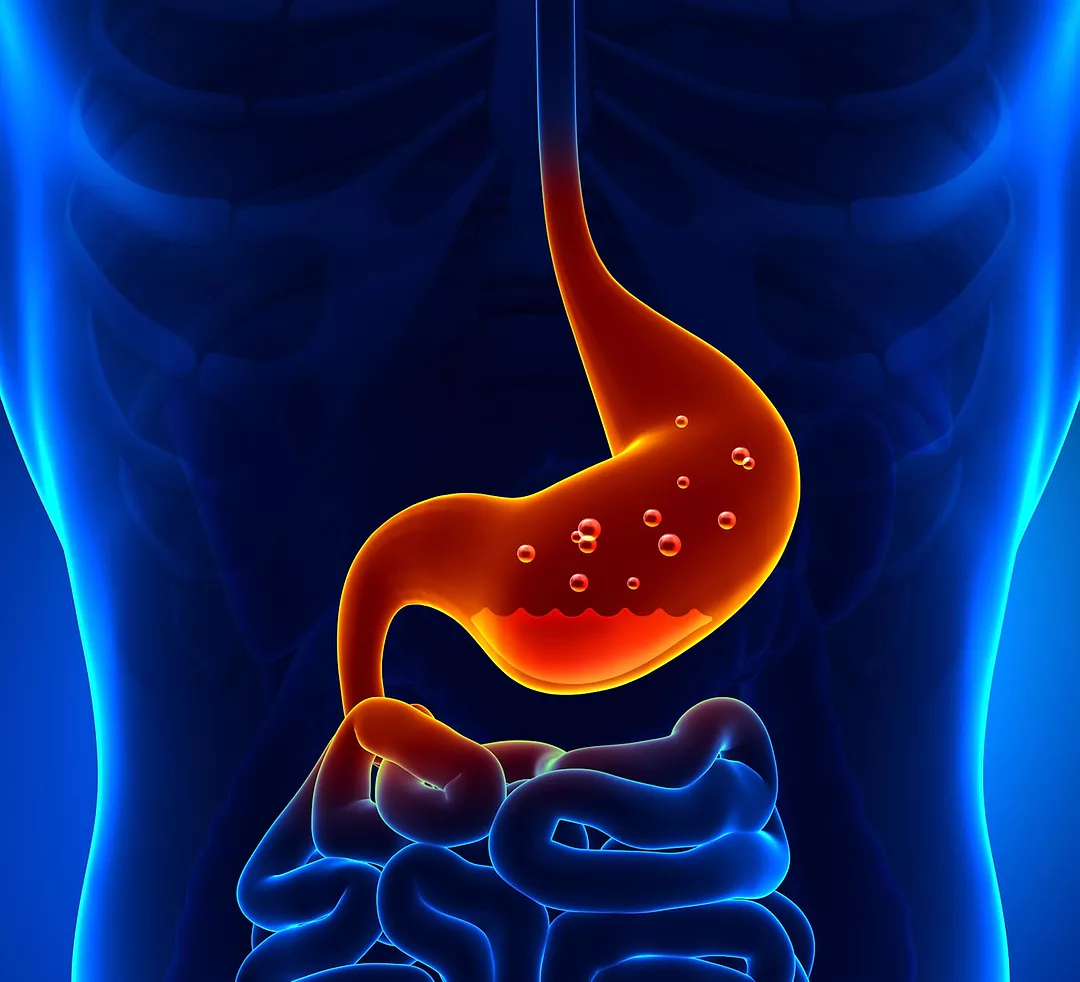
The term indigestion is often used to describe heartburn and/or upper abdominal pain as well as a feeling of gaseousness, difficulty swallowing, feelings of pressure or heaviness after eating, sensations of bloating after eating, stomach or abdominal pains and cramps, or fullness in the abdomen. The medical terms used to describe indigestion include functional dyspepsia (FD), non-ulcer dyspepsia (NUD), and gastroesophageal reflux disorder (GERD).
These are among the most popular diagnoses in North America and yet several review articles have concluded that "the efficacy of current drugs on the market is limited at best." The at best signifies the fact that often these drugs cause more problems than they help. The most popular are acid-blocking drugs like Nexium and Prilosec. These drugs work by blocking one of the most important digestive processes — the secretion of hydrochloric acid by the stomach.
Acid-Blocking Drugs Also Block Digestion
Although blocking the production of stomach acid can reduce symptoms, it also substantially blocks a normal body process. Acid-blocking drugs are associated with numerous side effects, such as digestive disturbances like nausea, constipation, and diarrhea. Nutrient deficiencies can also appear as a result of impaired digestion. Here are some additional concerns that you typically will not find on patient handouts from the pharmacy on acid blockers:
Pneumonia. People using acid blockers were 4.5 times as likely to develop pneumonia as were people who never used the drugs. Apparently, without acid in the stomach, bacteria from the intestine can migrate upstream to reach the throat and then lungs to cause infection.
Increased fractures. People taking high doses of acid-blocking drugs for longer than a year had a 260 percent increase in hip fracture rates compared to people not taking an acid blocker. Evidence suggests that these drugs may disrupt bone remodeling making bones weaker and more prone to fracture.
Heart attacks and strokes. Acid blockers increase the risk for heart attacks and strokes.
The Natural Approach to Indigestion
In the person with chronic indigestion, rather than focus on blocking the digestive process with antacids, the rational approach is to focus on aiding digestion. Indigestion can be attributed to a great many causes, including not only increased secretion of acid but also decreased secretion of acid and other digestive factors and enzymes. In fact, most nutrition-oriented physicians believe that lack of digestive enzymes is the true culprit in many patients with indigestion.
The first step is eliminating common dietary causes of GERD/NUD, including overeating, obesity, coffee, chocolate, fried foods, carbonated beverages (soft drinks), and alcohol. In many cases, simply eliminating or reducing the causative food(s) or beverage is all that is necessary to completely relieve GERD/NUD. Other tips include decreasing the size of portions at mealtime, chewing food thoroughly and eating in a leisurely manner in a calm, relaxed atmosphere, and not eating within two hours of bedtime.
Digestive Enzymes to the Rescue
Enzymes are biologically active proteins that act as catalysts to either build or break down chemical bonds. Digestive enzymes are secreted within the digestive tract to bread down food into smaller molecules for absorption. If there is a deficiency in digestive enzymes, it can lead to indigestion, food intolerance, and other gastrointestinal discomfort.
Digestive enzyme supplements are available as digestive aids. These preparations can include enzymes from fresh hog pancreas (pancreatin) or vegetarian sources, such as bromelain and papain (protein-digesting enzymes from pineapple and papaya, respectively), and fungal enzymes. I have found that the best results come from multi-enzyme preparations that focus on the vegetarian and fungal sources. They are definitely more resistant to digestive secretions and have a broader range of activity.
When looking for the best digestive enzymes, consider Enzymedica's exclusive Therablend process. The key benefit of this process is that it allows the mixture of digestive enzymes to be effective throughout the entire gastrointestinal tract. Most enzymes are effective or active within a very narrow pH range, and since the pH of the human gastrointestinal tract varies from very acid to alkaline, most enzyme supplements are not effective throughout the entire gastrointestinal tract. So, while an enzyme supplement may be helpful in one part of the digestive system, it may be totally inactive in another.
Enzymedica's Thera-Blend formula overcomes this problem by blending the best enzymes in a way that there is enzymatic activity throughout the pH range of our entire GI tract. Lab tests prove Enzymedica Thera-blend enzymes are three times stronger and work more than six times faster than other leading enzyme supplements.
Michael T. Murray, N.D. is one of the world’s leading authorities on natural medicine. He has published over 30 books featuring natural approaches to health. He is a graduate, former faculty member, and serves on the Board of Regents of Bastyr University in Seattle, Washington. Dr. Murray is the Chief Science Officer of Enzymedica.
NOTE: The statements presented in this blog should not be considered medical advice or a way to diagnose or treat any disease or illness. Dietary supplements do not treat, cure or prevent any disease. Always seek the advice of a medical professional before adding a dietary supplement to (or removing one from) your daily regimen. WholeFoods Magazine does not endorse any specific brand or product. The opinions expressed in bylined articles are not necessarily those of the publisher.
 RSS
RSS