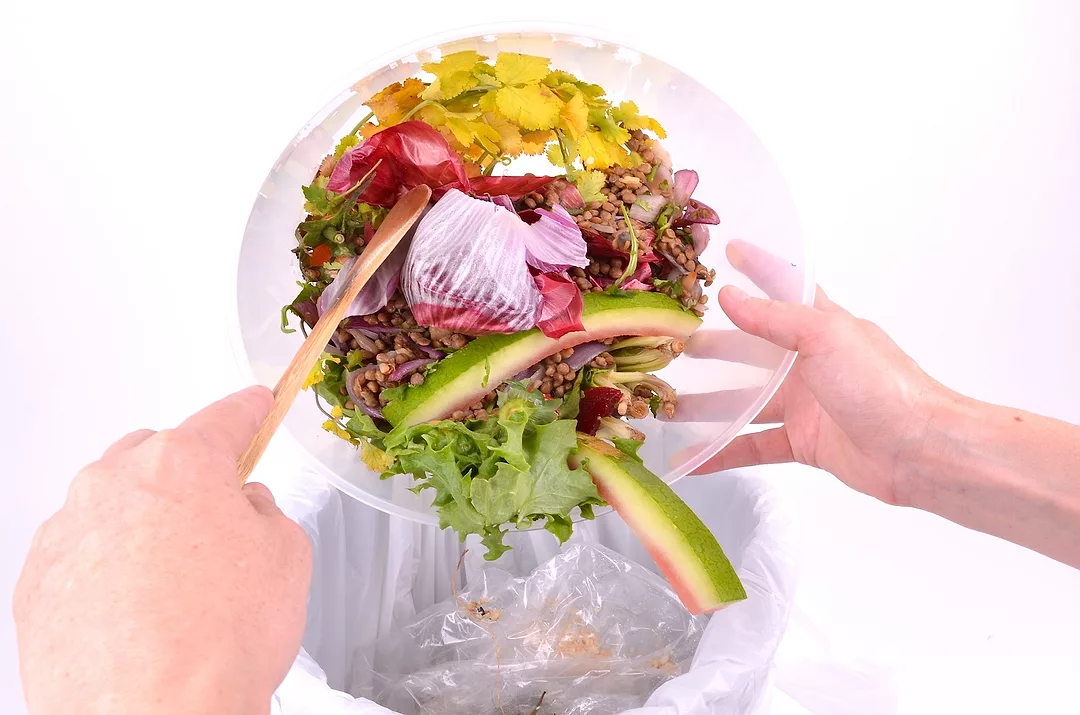
Food waste is a global issue and it is continuing to grow, creating problems that will affect the future and how food is made and consumed. Simply put, food waste is any type of food that is uneaten, discarded or lost. Food waste occurs at different stages from production and processing to retailing and consumption and it is a problem for industrialized and developing countries alike.
According to the U.S. Food and Agriculture Organization (FAO), approximately one-third of the food produced in the world for human consumption every year is lost or wasted. This equates to about 1.3 billion tons; sadly, this amount is enough to feed two billion people.
It is no doubt that these stats are alarming, but what does it mean for our future and feeding generations to come?
According to "The Great Balancing Act" published by the World Resources Institute, reducing global current food loss and waste by one-half by the year 2050 would mean that we would need 1.314 trillion fewer calories than if we continued with our current approach to food. These savings would close roughly 22% of the gap between today's availability of food and the demand in the year 2050.
Saving Food, Starting with Bread
The foods most commonly wasted are fruits, vegetables and bread. In fact, roughly one-third of purchased bread is thrown away. The main reason for this is due to the constant availability of fresh bread at any time being at odds with the ever-shorter shelf life of a product that is manufactured at a low price.
So, how do we overcome this bread waste issue on a global scale? Efficiency and sustainability will become the food industry’s key subjects in the next decades. And one of the most promising strategies to secure the food supply for future generations is to implement technologies and production processes that help reduce food loss and waste globally.
Freezing is one of the most natural and important technologies for enhancing food security and maintaining the freshness and nutritional value of food. Freezing is merely allowing Mother Nature to press the pause button.
With bread, this is no different. Eat the Ball®, a bread company that is making its way into U.S. retailers and food service operations, is ahead of its time concentrating on such important aspects as feeding the world with high-quality bread and reducing bread waste. The company’s patented technology process, called pro.ferment.iced® helps the product maintain a longer shelf life without any preservatives and keeps all the healthy ingredients intact. The bread is not baked in a classic way. Instead, it goes through a special fermentation process, at a very low temperature. Flash frozen after production, the product keeps its quality for up to one and a half years and can even be refrozen after defrosting. Thus, the bread becomes a high-quality convenience product for the end consumer.
Creating Awareness and Changing Consumer Behavior is KeyIn order to help elicit positive change, we need to understand the behavior of consumers, especially in industrialized countries. As food companies, we need to create products that meet customer demands—natural ingredients, great taste, long shelf life, long-time freshness, ease of use and uniqueness. We also need to make good and ethical business decisions, making sustainability a major priority. At the end of the day, it’s about the world and education is key.
Recent campaigns on how ugly fruits and vegetables can reduce food waste are making headlines. The goal is to encourage people to use ingredients sourced from farms and vendors that are being thrown out. Bread can also help save the planet. 10 years ago, the International Union of Bakers and Bakers-Confectioners started World Bread Day (WBD), an event aimed at bringing awareness to bread and food waste. Afterwards a German food blogger took control of the cause. Although WBD isn’t as popular in the United States as of yet, there is great potential to stand behind the cause to bring attention to the issue of bread waste. This year, WBD is taking place on October 16.
Collectively, we need to make better decisions and start thinking about food/bread in a way that helps billions of people and does good for our world. Eat the Ball® is on board. Are you?
# # #
Joe is the Managing Director of Eat the Ball – The Bread Of A New Generation. A premium bread product that was created to help make the bread category interesting again. Made with only natural ingredients (no artificial colors, flavor or enhancers) and non-GMO. This product line is not only healthy, but is innovative and fun. The Eat the Ball® line features various sport shaped balls from football to soccer and even hockey and its versatility allows everyone to create fun recipes for every meal, even dessert. Eat the Ball® products are developed with the shell of a new technology called pro.ferment.iced®. It is an patented production process that helps guarantee the highest quality and taste, plus it allows for the product’s unique shape. This product line and its technology process were created with the goal of preventing food waste and nourishing future generations.
NOTE: WholeFoods Magazine does not endorse any specific brand or product. The opinions expressed in bylined articles are not necessarily those of the publisher.
 RSS
RSS