RSS
RSS
Sweets, Snacks, and the New Better-for-You Mood
July 3, 2026
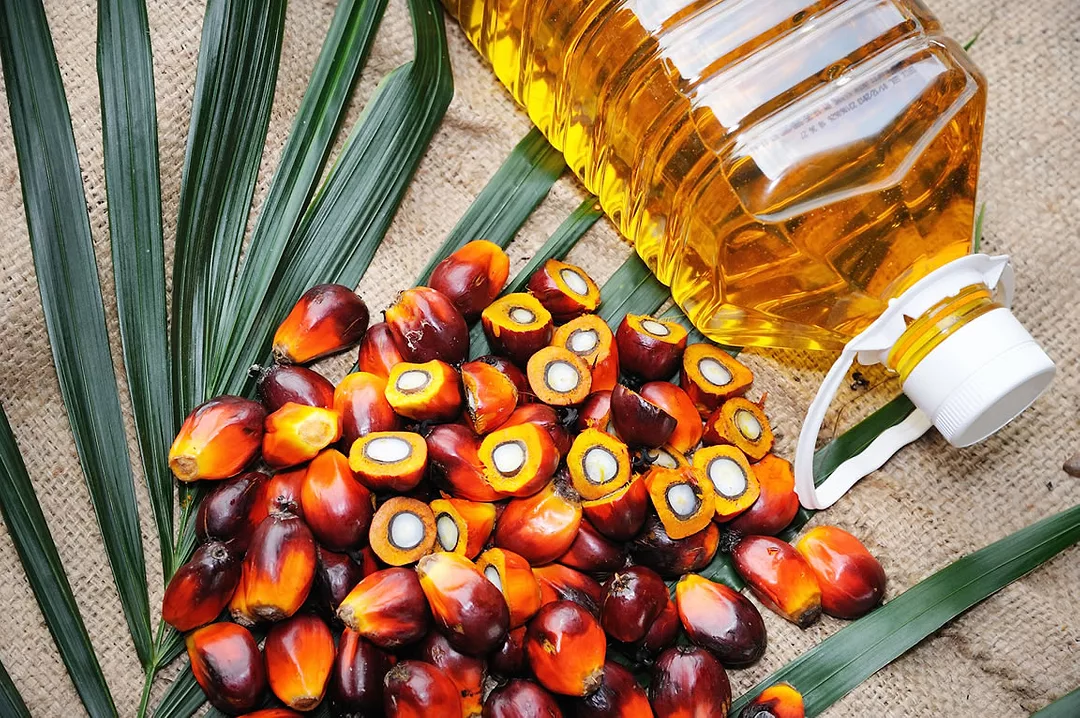
The EFSA report sheds new light on levels for contaminants known to be present in all refined vegetable oils. Edible oil producers know that their success depends on consumers’ trust that the oils they buy are healthy and safe. Awareness of this issue is imperative.
The science of food and related areas of research continues to improve our understanding of food ingredients and their impact on health. While the EFSA report may prompt alternative production of safe and high-quality foods, it is important to note that EFSA did not recommend dietary changes based on its findings.
Further, while the report specifically called out palm oil, yet commented on edible oils that also contain 3-MCPD, it is important to note that the palm oil industry has already voluntarily launched initiatives to reduce the levels of these contaminants and to mitigate the risks. At this juncture, it is also interesting to note that as the food industry continues to reduce trans-fatty acids, palm oil appears to provide desirable physical and chemical properties, and thus potentially assume a greater role in the U.S. as a trans fatty acid replacement.
3-MCPD esters are produced as artifacts during the processing and refining of all edible oils including palm oil. Their removal from the final refined oil is dependent upon the efficiency of the deodorization process. This is the last step of refining in which unwanted constituents are removed. 3-MCPDs have been detected in all edible oils and fats but relatively higher levels have been reported in palm oil (~2.9 ppm).
At issue: 3-MCPD has an established Tolerable Daily Intake (TDI) of 2 ug/kg body weight. This TDI level is also supported by the FAO/WHO Expert Committee on Food Additives. Thus, the esters of 3-MCPD are of toxicological concern for humans, yet some reports indicate 3-MCPD are of low risk. Several regulatory agencies and health authorities call for monitoring 3-MCPD levels in the food supply, and recommend a reduction or elimination of 3-MCPD and related cholorpropanols from the food supply.
The presence of 3-MCPD in foods was detected more than 35 years ago. Since 1998, many regulatory agencies recommended that 3-MCPD not exceed 0.01 to 1 ppm in acid hydrolyzed protein products. In 2008, the FDA issued a guidance level for 3-MCPD in acid-hydrolyzed protein. The agency noted that 3-MCPD, one member of chloropropanol classification of compounds, is a substance produced during acid hydrolysis and heat treatment of proteins. In its guidance document, the agency established an upper limit of 1 ppm of 3-MCPD in ingredients, such as hydrolyzed vegetable protein. These limits were based on several two-year animal studies with 3-MCPD at doses up to 300 ppm. Interestingly, no neoplasms were observed among mice receiving this high dose. At 400 ppm, rats presented renal carcinomas during a two-year study. As recent as 2013, there were insufficient data to assess the potential toxicity of 3-MCPD among humans. However, limited in vitro data suggest Caco-2 cells have the capacity to detoxify dietary 3-MCPD.
This issue is as much about what we do not know, as it is about what we do know. Much as the coffee industry is currently facing concerns for acrylamide levels while there is moderate-to-strong evidence that supports health benefits associated with coffee consumption. As research continues to elucidate the composition of palm oil and its potential health effects, there may one day be a 3-MCPD alarm. Thus, it is important to be pragmatic in our approach to this issue.
EFSA did not put its data into context.
We understand the problem but relevant toxicity or toxicokinetic data among humans do not exist. There is not any direct evidence that current 3-MCPD levels in foods and at their typical consumption amounts, trigger adverse health effects. Thus, advisements are based on limited animal studies (among rats, not mice) and projected exposure among humans of various population or age groups.
The data indicate that fewer 3-MCPD compounds are present in Malaysian palm oil than that which is processed outside of Malaysia.
This observation indicates the need for a better grasp of the palm oil process variances among countries. There is a need to carefully evaluate each step and identify the conditions under which the contaminants, such as 3-MCPD and related cholorpropanols are generated. There are some data, for example, that indicate the timing of the harvest and pressing, as well as processing temperature, can significantly affect the generation and subsequent levels of these contaminants.
The toxicology is not fully vetted.
As of 2011, there were not any toxicological data available for either 3-MCPD esters or glycidol esters, except the first results from a bacterial mutagenicity assay recently performed with glycidyl stearate. Several investigators have noted toxicological data gaps and call for further research. Thus, there is a need for additional research that assesses potential causes and effects of 3-MCPD on human health when consumed as typical levels over a lifespan.
This is an expensive, industry-wide concern.
All seed oil processing including soybean, canola, rapeseed and sunflower seed produces 3-MCPD and related contaminants. Retrofitting to change the refining process would be extremely expensive, especially considering that the 3-MCPD oil may already be well within safe limits as suggested by the history of use of edible oils and volume of clinical research with these oils that demonstrate numerous health benefits.
We need to balance concerns with health potential.
Red palm oil (RPO) is rich in pro-vitamin A β-carotene. Several studies among humans indicate RPO may be particularly healthful. So while palm oil may be at the center of the 3-MCPD target, care should be taken not to shoot down the economical, sustainable source of healthful nutrients. The best quality red palm oil is processed using molecular distillation processes, and the levels of 3-MCPD and glycidyl esters are almost non-existent in such products.
The implications may extend beyond oil processing.
There is some evidence that repeated heating of oils, such as in a quick-service environment, may accelerate or enhance the amount of co-contaminants in these food components. The end-users would need to be educated on safer use guidelines, including monitoring and changing their oil based on the potential adverse threshold levels of these compounds.
Food processing and regulatory guidelines are constantly evolving. Just as the change from thermal to non-thermal processing has created significant opportunities for many food types, I suspect that similar processing advances will materialize relative to edible oils. We may be on the cusp of the next generation of edible oil processing.
Roger Clemens, DrPH, CFS, CNS, FIFT, FACN, FIAFST, is adjunct Professor of Pharmacology and Pharmaceutical Sciences within the USC School of Pharmacy, International Center for Regulatory Science. He served on the USDA 2010 Dietary Guidelines Advisory Committee with primary responsibilities in food safety, and dietary lipids and health. He has been cited and interviewed by more than 500 domestic and international health journalists’ discussions on contemporary health, nutrition and food safety issues.
NOTE: WholeFoods Magazine does not endorse any specific brand or product. Always seek the advice of a medical professional before adding a dietary supplement to (or removing one from) your daily regimen. The opinions expressed in bylined articles are not necessarily those of the publisher. Supplements are not intended to cure, treat or prevent any disease or illness.