RSS
RSS
Sweets, Snacks, and the New Better-for-You Mood
July 3, 2026
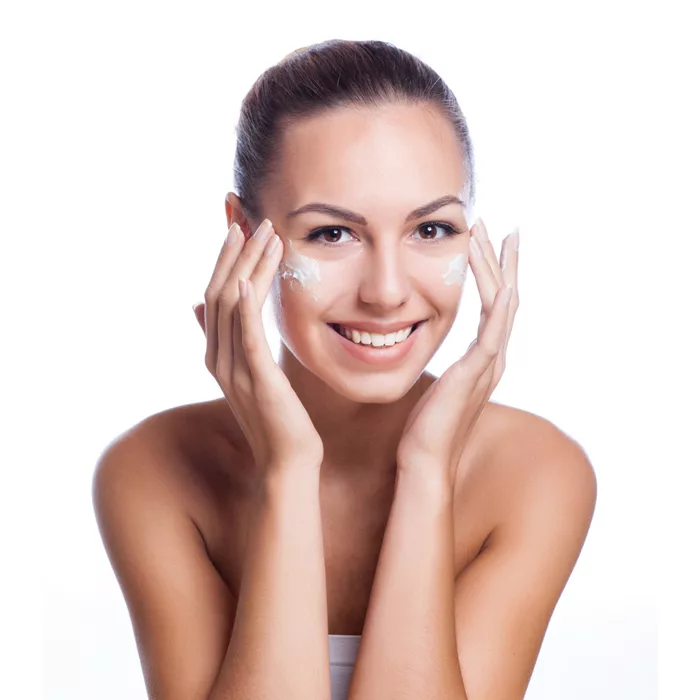
Many experts agree that we are what we eat. Aside from food, our health and overall wellbeing is also contingent upon what products we put on our skin, the household cleaners we use in our homes and many other factors. To that end, we can safely say that what we put onto our bodies is equally important as what we put into our bodies. As the biggest organ of the human body, our skin needs to be nurtured, nourished and properly taken care of each and every day.
The Skinny on Skincare Products
Did you know that the average person uses 10 different skin care products on his or her body each day? If you are like most people, you have a regular skincare regimen from your head down to your toes. And to that end, if you are in pursuit of healthier skin, choosing good products is a top priority.
From lotion and body oil to face wash and even bug spray, it is essential to understand product ingredients. We have always been told that the general rule of thumb is: if you can’t pronounce it, ditch it. Unfortunately, that is much easier said than done, especially when it comes to skincare products. While we don’t have to stay clear of every ingredient that looks hard to pronounce, we have to be discriminating, and most importantly, we have to be our own advocate by carefully reading labels and staying informed.
And getting into the habit of reading product labels like we do with food is just as necessary with products like skin care, make up, bug spray and anything we put on our skin.
According to a recent Green Beauty Barometer survey, “Nearly six in ten U.S. adult women (59%) read beauty product ingredient labels prior to purchase.”
While this is encouraging, there is still more education and work that needs to be done. Decoding a product label can definitely be confusing, but it shouldn’t be. Here are some general tips for understanding the basics:
Going Organic
According to Transparency Market Research, “Global demand for organic personal care products (one-third of which are skincare products) is expected to reach $13.2 billion by 2018.” These stats are not surprising as organic skincare products are all the rage for two very important reasons: they work better and are better for you.
So, really what is an organic skincare product? Simply put, organic skincare products are made of plant-derived ingredients (as well as other naturally occurring ingredients). They are grown without synthetic fertilizers or pesticides. These products are not only healthier for us, but they are also better for the environment. And in order to be considered "100% Organic,” a product must contain (excluding water and salt) only organically produced ingredients. Organic is one of the most heavily regulated certifications, often subject to rigorous inspections.
And don’t forget that better ingredients equals better for you, especially for individuals with sensitive skin. Organic products won’t aggravate or worsen the skin. We need to protect our bodies from harmful ingredients as some might contain toxic mixtures. And since the skin absorbs these compounds easily, the body has no way of ridding itself of them. The toxins remain in your intestine and can eventually spread throughout the body, damaging organs and doing harm.
Don’t be Fooled by Fake Organic Claims
It is not uncommon to see products and companies claiming to be "Organic" when they are not qualified or certified organic. In short, only USDA-certified products and companies are allowed to use the term "Organic" on labels, packaging and displays. To that end, it is crucial that customers carefully read labels before buying products that claim to be organic.
In order for a product to be organic, it must show the organic certifying agent's information and have the organic ingredients (i.e. organic dill) listed with an asterisk or other mark. The USDA seal can be used only on products that contain a minimum of 95% organic ingredients (excluding salt and water). Up to 5% of the ingredients may be nonorganic agricultural products that are not commercially available as organic and/or nonagricultural products that are on the USDA’s National List.
Beauty Is More than Skin Deep
As we gravitate toward a healthier skincare lifestyle, we are taking another step in helping to maintain a 360-degree approach to our overall health and well-being. Fake is out and natural is in and with that comes the desire to simplify. Newer generations are becoming more discerning about the environment, sustainability and supply chains. We are taking the time to educate ourselves on products, ingredients, where they come from and what it all means. Beauty is everywhere, and by making the best decisions, we are creating a better future for ourselves and for the world. Let’s start with one product at a time.
Leonard Moon is the CEO of U.S. Organic, a company that uses only powerful, healthy and natural ingredients to gently treat and nourish the skin. Since the launch of its first product, the company has extended its product line to organic repellents, body oils and baby oils. A certified organic products’ manufacturing company, U.S. Organic appreciates what nature has provided us—powerful yet gentle ingredients. Our mission is to provide the best and safest products that are in harmony with nature. For more info, visit: www.us-organic.com
NOTE: The statements presented in this blog should not be considered medical advice or a way to diagnose or treat any disease or illness. WholeFoods Magazine does not endorse any specific brand or product. The statements of the writer do not necessary reflect the opinions of WholeFoods Magazine.
Posted on WholeFoods Magazine 4/8/2016