


Continue To Site >
Quicklinks
  • Ask Whole Foods Mag
  • Magazine Subscription
  • View Back Issues
  • Advertise
  • Education Center
  • Ashwagandha / Shatavari Experience
  • Naturally Informed
  • Move Nutrition
  • India-America Boardroom Series
Free Newsletter Subscription
Ask WholeFoods Mag
  • News
    • All News
    • In Case You Missed It
    • Breaking News
    • Grocery News
    • Dietary Supplements News
    • Supplier News
    • Health & Beauty Aid News
    • Green News
    • Research
  • Features
    • Supplements
    • Grocery
    • Health & Beauty Aids
    • Suppliers
  • Columns
    • Debates
    • Editorial
    • Good Health Reads
    • Happy Customer
    • Herb of the Month
    • Leadership Profiles
    • Legal Tips
    • Mentors
    • Merchandising Insights
    • Recipes
    • Naturally Informed Education
    • The Nutrition Mythbuster
    • Trade Secrets
    • Vitamin Connection
    • What's Selling
    • WholeFoods Blogs
  • Products
    • Dietary Supplements
    • Grocery Products
    • Gourmet Products
    • Health & Beauty Aid Products
    • New Product Reviews
      • 2021 Archives
      • 2019 Archives
      • 2018 Archives
    • Suppliers
  • Multimedia
    • Videos
    • Podcast
    • The Natural View
  • Directory
Ask WholeFoods Mag
  • Log In
  • Register
  • Log Out
  • My Account
Free Newsletter Subscription
Quicklinks
  • Ask Whole Foods Mag
  • Magazine Subscription
  • View Back Issues
  • Advertise
  • Education Center
  • Ashwagandha / Shatavari Experience
  • Naturally Informed
  • Move Nutrition
  • India-America Boardroom Series
Home » Blogs » WholeFoods Magazine » Dietary Supplement Excipients, Fillers and Binders: What’s Hot and What’s Not?

WholeFoods Magazine
WholeFoods Magazine RSS FeedRSS

Dietary Supplement Excipients, Fillers and Binders: What’s Hot and What’s Not?

June 7, 2016
Julie Dennis and Julie Dennis, National Science Educator at Source Naturals/Planetary Herbals
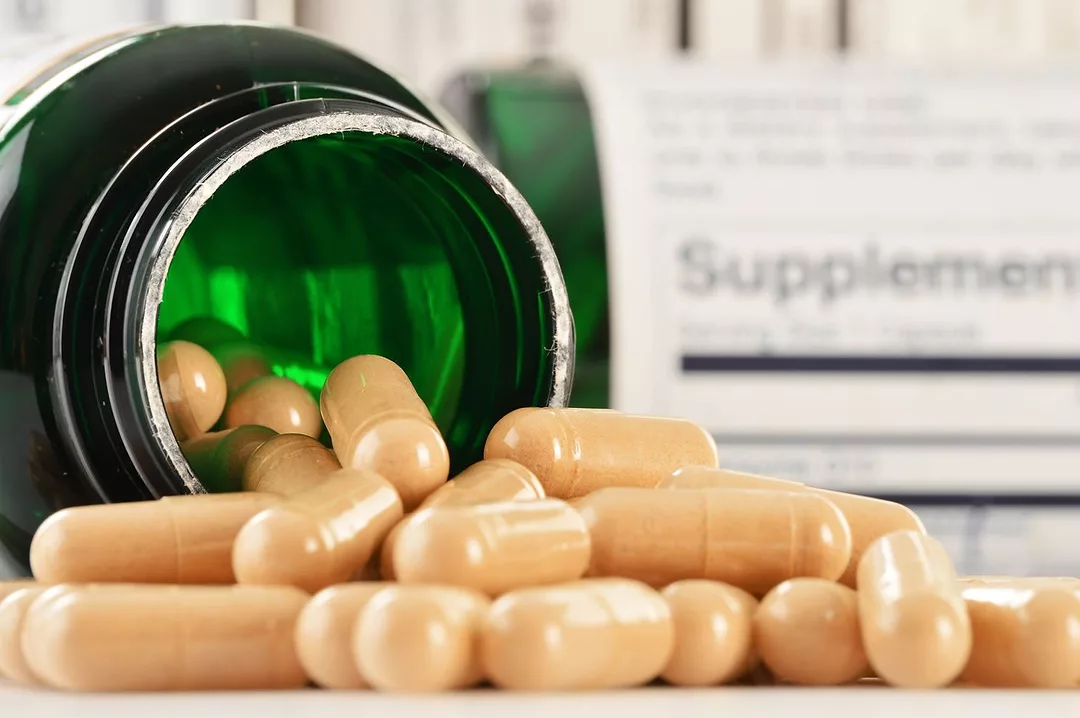
Transparency is a big issue with consumers these days so it’s no wonder they want to know everything that goes into their dietary supplements, including the excipients, fillers and binders. Lifting the lid on this topic we find a full range of options from the good and the not-so-good.

There’s almost no way around it, most dietary supplements contain some sort of excipients, fillers or binders. Powders have to flow into tablet molds and capsule shells. Active ingredients have to stick together in tablets. And shells for capsules and softgels have to be made out of something. So let’s break it down by looking at some of the most used “other ingredients”.

Dicalcium phosphate is an easy one to start with because you are getting calcium and phosphorus, two essential nutrients, in a well absorbed form - a form that is found in dairy products such as milk and yogurt. It’s often used to bind powders together allowing a tablet to be formed. It’s also used as a filler, for example, when there’s not enough of the active ingredient to make a tab or fill a cap.

Silica is another easy one. It provides tiny “ball bearings” helping powders flow smoothly in the manufacturing process. Silicon is ubiquitous in nature and in foods, especially high fiber foods. It’s necessary for bone growth and maturation, and there is some evidence that it may have an additional benefit of counteracting aluminum. The role of aluminum in human brain pathology is debated, but in preliminary research, silicon has helped to reduce neuronal toxicity of aluminum. (By the way, beer intake was equally effective as silicon in some preliminary research. Cheers!).

Stearic acid and magnesium stearate, (also known as mag stearate), are lubricants made from plant sources. Stearic acid is actually considered a good fat because it does not make blood cholesterol go up, it does not oxidize or go rancid like a lot of fats, and it’s the main fatty acid in chocolate. (If you like chocolate, choose one with cocoa butter, not partially hydrogenated fat). Mag stearate is the combination of stearic acid and magnesium.

There is at least one source which claims that mag stearate and stearic acid are harmful to your T cells, a type of white blood cell that destroys tumor cells. This claim is based on research that may not be relevant to the human body because the T cells were incubated in the lab with stearic acid.

“This claim is based on research that is not relevant to the human body. T cells were incubated with stearic acid in a way that would never happen in real life,” said Gerda Endemann, Ph.D Sr. Research Manger R&D at Threshold Enterprises, Ltd.

Another binder is gum Arabic, or acacia gum, which is sticky and used to bind ingredients together. This natural gum is made from the sap of an acacia tree. Acacia gum is actually sold as a standalone fiber product, because like most fibers, it is considered a healthy food. We don’t digest it, so it helps intestinal flora proliferate.

Maltodextrin is also used as a binder and as a filler. It’s a starch that has been partially broken down. Starches are long chains of glucose and are broken down into medium length chains in maltodextrin. The starch typically comes from corn so there are non-GMO versions of maltodextrin used in dietary supplements.

If you eat 1/10th teaspoon cooked rice, the enzyme amylase in your mouth will start digesting it, and pretty soon you’ll have the equivalent amount of maltodextrin to what you’d get from a supplement pill.

Various kinds of cellulose are also used in supplements typically to help tablets disintegrate. It wicks water into the tablet, expands, and helps the tablet disintegrate in our stomachs. Cellulose is a fiber from plants - we don’t digest it or absorb it so it doesn’t have any calories - like celery or bran.

Most caps are made of gelatin, which is partially hydrolyzed collagen, which is a protein made from bovine or porcine sources. Some people may like gelatin as a source of protein that is probably good for brittle nails. However, the amount in capsules won’t provide enough to make a difference. Others don’t want animal protein, and may prefer veggie caps.

Veggie caps can be made from modified cellulose, which we just talked about, or from carrageenan. Carrageenan is extracted from seaweed, and consists of sulfated polysaccharides. It’s a fiber that has been used in China and Ireland as a thickener for centuries. Claims have been made about carrageenan being undesirable, but according to the research the negative aspects were experienced mostly when injecting it into animals’ paws, not by humans eating it.

There’s almost no way around it, most supplements will contain an excipient, filler and/or a binder. Get to know your supplements, read the labels from top to bottom. Lift the lid. Ask the questions and get the answers until you find the cleanest product for your usage.

Note: a lot of this data was taken from a webinar hosted by Threshold Enterprises, Ltd. with special guest Dr. Gerda Endemann.

The Supplement Issue: Vegetarians and Vegans Julie Dennis has been a lecturer, writer and consultant in the natural products industry for over 20 years. Currently she lectures nationwide discussing health-related topics and intelligent usage of nutraceutical and botanical supplements. She graduated from Dr. Michael Tierra’s East West School of Herbology in 1996, contributed to major natural products industry trade publications, and assisted with editing on books including the American Botanical Council’s Clinical Guide to Herbs, and The Handbook of Clinically Tested Herbal Products, Haworth Press.

EDITOR'S NOTE: The statements presented in this blog should not be considered medical advice or a way to diagnose or treat any disease or illness. Dietary supplements do not treat, cure or prevent any disease. Always seek the advice of a medical professional before adding a dietary supplement to (or removing one from) your daily regimen. WholeFoods Magazine does not endorse any specific brand or product. The opinions expressed in bylined articles are not necessarily those of the publisher.

Posted on WholeFoods Magazine Online, 6/7/2016

 
Recommended For You
Latest Publication
CovAcNut26.jpg
2026 Deep Dive Active Nutrition Market
Screenshot_2026-05-26_at_7.47.16_AM.jpg
June/July 2026
CovHeart.jpg
2026 Deep Dive Cardiovascular Health
Screenshot_2026-04-16_at_11.51.39_AM.png
May 2026
Most Popular
  • DOP Venkat8707T01.JPG

    KSM-66 Ashwagandha/Shatavari Experience: Explore Shatavari

    By WholeFoods Magazine Contributor
    June 9, 2026
  • Research-Innovation-GettyImages-2228817853.jpg

    Research Updates: Pet Longevity, Metabolic Health, Stress Relief & More

    By WholeFoods Magazine Staff
    June 11, 2026
  • GettyImages-1356683353.jpg

    In Memoriam: John James Mastel Sr., Founder of Mastel's Health Foods

    By Richard Ortega, Associate Editor, WholeFoods Magazine
    June 9, 2026

WholeFoods Magazine is your one-stop resource for health and nutrition articles. We provide important information regarding industry news, research, and trends.

The Magazine

  • Current Issue
  • Subscribe
  • Renew
  • Change of Address

Information

  • Source Directory
  • Helpful Resources
  • Job Finder

About Us

  • About Us
  • Contact Us
  • Advertise

Social

NOTE: WholeFoods Magazine is a business-to-business publication. Information on this site should not be considered medical advice or a way to diagnose or treat any disease or illness. Always seek the advice of a medical professional before making lifestyle changes, including taking a dietary supplement. The opinions expressed by contributors and experts quoted in articles are not necessarily those of the publisher or editors of WholeFoods.

© Copyright 2026 WFC, Inc. All Rights Reserved.
Privacy PolicyTerms