RSS
RSS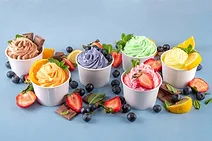
Sweets, Snacks, and the New Better-for-You Mood
July 3, 2026

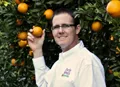
We believe in cooperating with nature. Call us old-fashioned, but at Uncle Matt’s, we think that soil health is the key to producing crops that have better yields and less disease, and are grown not only without the use of synthetic fertilizers or pesticides, but also without the use of genetically modified organisms (GMOs).
What's All this Talk about GMOs?
In recent years, GMOs have been introduced into several key crops in order to produce mass quantities in an attempt to solve many food-related world problems, including famine and crop diseases. GMOs have been unsuccessful to date. The National Organic Program does not allow GMOs because they are not of natural origin. GMOs do not occur through natural processes of breeding, such as the classical processes of Gregor Mendel, the father of “Mendelian genetics.”
For thousands of years, these classical processes have been used to successfully produce new varieties of fruits, grains and vegetables. Until recently, it’s always been within the same species of plants. The difference with GMOs is that scientists are crossing species. For instance, scientists would cross kingdoms where, a crab shell may be inserted into the genome of a tomato plant. This results in an organism that wouldn’t exist naturally in nature.
Why Should Retailers Care?
Consumers care about their exposure to pesticides and the impact to their health and our environment. One well-documented impact of GMOs on human health is that GMOs require increased pesticide use. Pesticide usage has increased 404 million pounds from the time GMO crops were introduced in 1996 through 2011, according to a report by Charles Benbrook, a research professor at the Center for Sustaining Agriculture and Natural Resources at Washington State University.
GMOs have the potential to create “Franken-Foods” which are harmful to human and animal health. When GMOs are created, the final food that’s produced, such as a grain, a fruit, or a vegetable, could contain amino acid and protein sequences that are foreign to the human body. This can result in inflammation and often, unknown allergic reactions.
GMOs produce weaker crops in the long run. According to research from the University of California, the GMO process of transforming the genes creates a weakened plant that behaves as if its immune system has been compromised.
A weaker plant requires more water, pesticides and fertilizers long term, causing greater environmental stress. While short-term gains may seem promising, we are trading stronger, natural selective cross-bred plants for weaker, GMO science.
Why Support Organics?
The National Organic Program prohibits organic farmers from using GMOs. We must be inspected annually, and we have to adhere to a strict set of rules and guidelines administered by the USDA. As an organic farmer, I believe in utilizing classical Mendelian genetics that have been proven throughout time. Organic starts with the philosophy of building a healthy soil to nourish a healthy plant. That’s the way Mother Nature intended.
 Matt McLean is the founder and CEO of Uncle Matt’s Organic, Inc. He is a pioneer, agricultural activist and entrepreneur in the organic industry. Currently president on the national Board of Directors for the Organic Trade Association (OTA), he helps shape the policies and standards for the organic industry. McLean created Uncle Matt’s Organic, Inc. in 1999, and prior to that, he managed his own juice brokerage business that exported juice to Europe and the Middle East. A seventh-generation Floridian, McLean's citrus roots date back four generations to his great-grandfather who farmed without the use of harmful pesticides or synthetic fertilizers. Today, McLean manages over 1,000 acres of organic citrus along with his father and other family members. Fully integrated from farming to manufacturing to marketing, he also serves as a consultant for farmers wishing to convert to organics.
Published in WholeFoods Magazine Online, 12/7/12