Continue To Site >
Quicklinks
  • Ask Whole Foods Mag
  • Magazine Subscription
  • View Back Issues
  • Advertise
  • Education Center
  • Ashwagandha / Shatavari Experience
  • Naturally Informed
  • Move Nutrition
  • India-America Boardroom Series
Free Newsletter Subscription
Ask WholeFoods Mag
  • News
    • All News
    • In Case You Missed It
    • Breaking News
    • Grocery News
    • Dietary Supplements News
    • Supplier News
    • Health & Beauty Aid News
    • Green News
    • Research
  • Features
    • Supplements
    • Grocery
    • Health & Beauty Aids
    • Suppliers
  • Columns
    • Debates
    • Editorial
    • Good Health Reads
    • Happy Customer
    • Herb of the Month
    • Leadership Profiles
    • Legal Tips
    • Mentors
    • Merchandising Insights
    • Recipes
    • Naturally Informed Education
    • The Nutrition Mythbuster
    • Trade Secrets
    • Vitamin Connection
    • What's Selling
    • WholeFoods Blogs
  • Products
    • Dietary Supplements
    • Grocery Products
    • Gourmet Products
    • Health & Beauty Aid Products
    • New Product Reviews
      • 2021 Archives
      • 2019 Archives
      • 2018 Archives
    • Suppliers
  • Multimedia
    • Videos
    • Podcast
    • The Natural View
  • Directory
Ask WholeFoods Mag
  • Log In
  • Register
  • Log Out
  • My Account
Free Newsletter Subscription
Quicklinks
  • Ask Whole Foods Mag
  • Magazine Subscription
  • View Back Issues
  • Advertise
  • Education Center
  • Ashwagandha / Shatavari Experience
  • Naturally Informed
  • Move Nutrition
  • India-America Boardroom Series
Home » Blogs » WholeFoods Magazine » The Movement of Cage-Free to Mainstream

WholeFoods Magazine
WholeFoods Magazine RSS FeedRSS

The Movement of Cage-Free to Mainstream

January 19, 2016
Anna Horn
The movement to make egg production go cage-free has seen continued growth in the last number of years. In response, quite a few large restaurants, bakery chains and food suppliers have promised to switch to solely cage-free eggs. Those chains include Denny’s, McDonald’s, Nestle, Costco, as well as countless others. Last year marked the implementation of California’s new law, requiring all shell eggs sold in the state to be cage-free. This law requires certain farm animals to have the room to stand, turn around, lie down and fully extend their limbs.

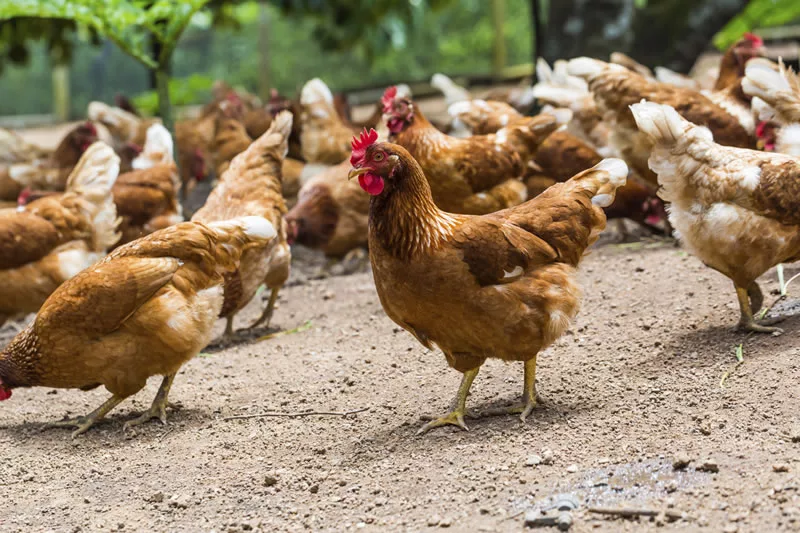
These changes are largely fueled by growing interest in a humanely sourced food supply as well as the whole foods movement. As interest in healthy foods continues on the grassroots level, we see large corporations following the trend. Cage-free operations allow the chickens to walk, roam, spread their wings, perch, dust bathe and lay their eggs in a nesting box, which are all natural behaviors for a chicken.

Changes in Supply

Many of the restaurant chains that are committing to cage-free eggs have projected the change to take five to 15 years to implement. Panera and Starbucks gave themselves the ambitious five-year deadline of 2020. McDonald’s and Denny’s both have given themselves until the year 2026 to complete the transition. Why will it take that long? Simply put, there are not enough cage-free farms to keep up with demand. According to United Egg Producers, only 4.5% of eggs produced in the U.S. are laid by cage-free hens. In order to transition into cage-free production, traditional battery cage style operations will be required to refit existing buildings or build new ones. Therefore, this whole change and progress will take time and resources for the supply to catch up.

Breaking Down Hen Living Situations

There are three main types and sizes of cage-free operations. Each type has its own advantage over the traditional battery cages used in most egg farming operations today. These include aviary systems, colony system and an open barn. Aviary systems often have three tiers of feeders, waterers, and nesting boxes. The advantages of the aviary system are their allowance for a greater number of birds per square foot. Additionally, hens are able to roost higher in the barn, an instinct they already possess. A colony system places chickens in a large cage with enough room that the hens can roost and fully spread their wings. The open barn system has an open floor plan with feeders, waterers, perches, and nesting boxes throughout the barn. The open barn allows for plenty of room for each bird, but also allows them to flock together. Open barn productions tend to be smaller farming operations.

Local Consumers

While the larger chains and restaurants will have a challenge switching to cage-free eggs, the local consumer has a number of choices. Quite a few regional and super-regional producers currently distribute to local grocery stores. Despite the fact that it may take a while for the supply to catch up to the demand, the overall progress of cage-free egg farming is a positive effect that we are happy to see.

Anna Horn is a Content Developer for Nature’s Yoke, a family owned and operated egg producer, committed to bring small family farms together in the Central PA area.

NOTE: The opinions expressed in bylined articles are not necessarily those of the publisher.

Posted on WholeFoods Magazine online 1/19/2016
Recommended For You
Latest Publication
Screenshot_2026-05-26_at_7.47.16_AM.jpg
June/July 2026
CovHeart.jpg
2026 Deep Dive Cardiovascular Health
Screenshot_2026-04-16_at_11.51.39_AM.png
May 2026
CovMi26.jpg
2026 Mastering the Microbiome Market
Most Popular
  • Anaheim Convention Center hosted four days of innovation, education, networking, and trendspotting at Expo West 2026.

    Expo West 2026 Trend Report: Innovation, Transparency & Functional Wellness

    By WholeFoods Magazine Staff
    May 26, 2026
  • Fostering mental wellness.

    The Pillars of Mental Resilience

    By Jennifer Joseph
    June 1, 2026
  • Yogurt-probiotics-GettyImages-2217529941.jpg

    Rethinking Lactose Intolerance: The Role of Probiotics and Prebiotics

    By Clare Fleishman, MS RDN
    May 22, 2026

WholeFoods Magazine is your one-stop resource for health and nutrition articles. We provide important information regarding industry news, research, and trends.

The Magazine

  • Current Issue
  • Subscribe
  • Renew
  • Change of Address

Information

  • Source Directory
  • Helpful Resources
  • Job Finder

About Us

  • About Us
  • Contact Us
  • Advertise

Social

NOTE: WholeFoods Magazine is a business-to-business publication. Information on this site should not be considered medical advice or a way to diagnose or treat any disease or illness. Always seek the advice of a medical professional before making lifestyle changes, including taking a dietary supplement. The opinions expressed by contributors and experts quoted in articles are not necessarily those of the publisher or editors of WholeFoods.

© Copyright 2026 WFC, Inc. All Rights Reserved.
Privacy PolicyTerms