Business Insider reports that enrollment has already dropped by 1.4 million, with Florida, Ohio, and North Carolina leading the way. The short-range problems are predictable as families elect to skip preventive visits altogether, skimp on allergy treatment, and keep children home from camps that require documentation of physical exams. The system and its enrollees will once again focus on urgent care versus immune health and wellness strategies. This is why our industry needs to step in and support consumers who are now seeking safe and effective ways to strengthen the immune system. We must remain obligated to help people stay well, and provide guidance that’s proactive, practical, and free from fear or hype.
From adversity comes opportunity. True in life, and in our industry. A 2023 survey by our friends at CRN found that 74% of Americans take dietary supplements.
Of course, not all supplements are created equal, which is why every education campaign Organic & Natural Health Association has conducted since we opened our doors has been intended to educate consumers on how to identify a quality supplement, what supplements are important for immune health, and how to ensure you are achieving your health objectives.
This year’s campaign is focused on four key components.
First, the practice of “smart self-care.”
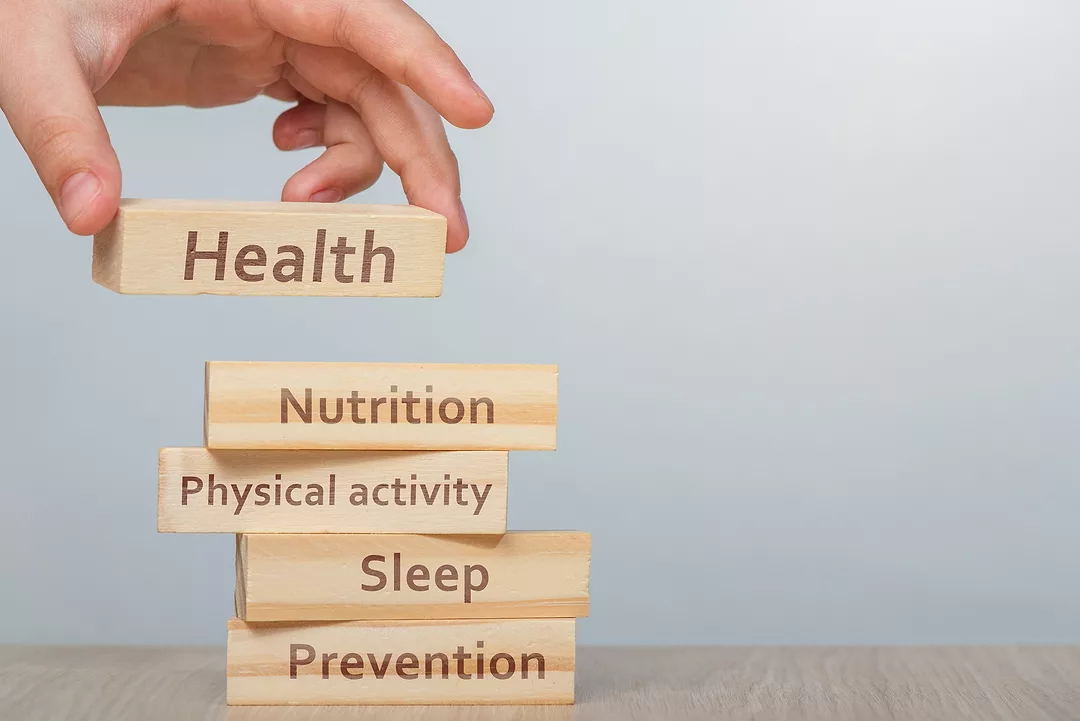
What we know to be true and effective does not always come to the front of mind. Yet the old adages we have grown up with still hold true. “You are what you eat” enables honest assessment of one’s diet, and the balance of nutrient-dense food to fast food consumption. “Early to bed and early to rise, makes a man healthy, wealthy and wise.” Perhaps it is true that what is old, becomes new again. Equally important is imparting information that points people to when it is time to seek medical expertise.
Second, enabling consumers to shop for science-based supplements with confidence.
The FDA estimates that there are roughly 100,000 different dietary supplements on the market. A search on Target came back with more than 1,000 Target-brand supplements, not to mention the thousands of other products available. Our education campaign promotes the need for third-party quality certifications from agencies like NSF and USP. We are educating consumers to not purchase products that claim to cure or treat, or prevent a disease, which of course is illegal. And, of course, products should have a GMP certification. As we always say, if what the label or advert says sounds too good to be true, it isn’t true.
Third, most Americans are unaware they may be suffering from nutrient deficiency.
As we know, testing for vitamin D, omega-3 and magnesium is available without a physician’s order, and can be purchased online at GrassrootsHealth or in some stores. Having that information enables one to explore both how to increase their nutrient levels with foods and/or supplements.
Fourth, consumers need to fully understand that while organic does cost more, the protection from harmful chemicals is invaluable when it comes to health status.
Organic certification prevents the use of synthetic pesticides, synthetic growth hormones, and artificial preservatives. No genetically modified organisms are permitted. Sewage sludge can’t be used as fertilizers, which makes me wonder what the average person would think if they knew that it is used as fertilizer.
Our advice will be coupled with a call to use independent retailers in one’s quest for living a healthy life.
Our friends on the front line have the expertise to counsel their customers on supplement integrity and effectiveness. You understand the relationship between quality food and supplements. You can share the information on the value of organic first-hand. It is your in-house expertise that can lead entire communities to this table. Organic & Natural Health is here to amplify your voice.