Continue To Site >
Quicklinks
  • Ask Whole Foods Mag
  • Magazine Subscription
  • View Back Issues
  • Advertise
  • Education Center
  • Ashwagandha / Shatavari Experience
  • Naturally Informed
  • Move Nutrition
  • India-America Boardroom Series
Free Newsletter Subscription
Ask WholeFoods Mag
  • News
    • All News
    • In Case You Missed It
    • Breaking News
    • Grocery News
    • Dietary Supplements News
    • Supplier News
    • Health & Beauty Aid News
    • Green News
    • Research
  • Features
    • Supplements
    • Grocery
    • Health & Beauty Aids
    • Suppliers
  • Columns
    • Debates
    • Editorial
    • Good Health Reads
    • Happy Customer
    • Herb of the Month
    • Leadership Profiles
    • Legal Tips
    • Mentors
    • Merchandising Insights
    • Recipes
    • Naturally Informed Education
    • The Nutrition Mythbuster
    • Trade Secrets
    • Vitamin Connection
    • What's Selling
    • WholeFoods Blogs
  • Products
    • Dietary Supplements
    • Grocery Products
    • Gourmet Products
    • Health & Beauty Aid Products
    • New Product Reviews
      • 2021 Archives
      • 2019 Archives
      • 2018 Archives
    • Suppliers
  • Multimedia
    • Videos
    • Podcast
    • The Natural View
  • Directory
Ask WholeFoods Mag
  • Log In
  • Register
  • Log Out
  • My Account
Free Newsletter Subscription
Quicklinks
  • Ask Whole Foods Mag
  • Magazine Subscription
  • View Back Issues
  • Advertise
  • Education Center
  • Ashwagandha / Shatavari Experience
  • Naturally Informed
  • Move Nutrition
  • India-America Boardroom Series
Home » Blogs » WholeFoods Magazine » When Evidence Meets Expectation: Rethinking Shatavari’s Role in Modern Women’s Wellness Systems

WholeFoods Magazine
WholeFoods Magazine RSS FeedRSS

Columns

Arzoo Fatima, PharmD, MPH, is a scientific strategy and product development professional working at the intersection of science, public health, and innovation. Her experience spans research and development, formulation, quality, regulatory, and cross-functional leadership, where she has helped bring numerous health and wellness products and services to market. Trained in pharmacy, public health, and data analytics, she enjoys translating scientific insights into solutions that improve everyday lives. Arzoo believes lasting progress begins with better questions, collaborative problem-solving, and a deep understanding of the people innovations are meant to serve. She welcomes opportunities to learn, contribute, and drive evidence-informed decision-making.

When Evidence Meets Expectation: Rethinking Shatavari’s Role in Modern Women’s Wellness Systems

As Shatavari gains traction across fertility, menopause, and women's wellness, the science tells a nuanced story. Here's what current clinical evidence reveals—and why the future of botanical innovation depends on aligning traditional use with validated health outcomes.

June 14, 2026
Arzoo Fatima, PharmD, MPH
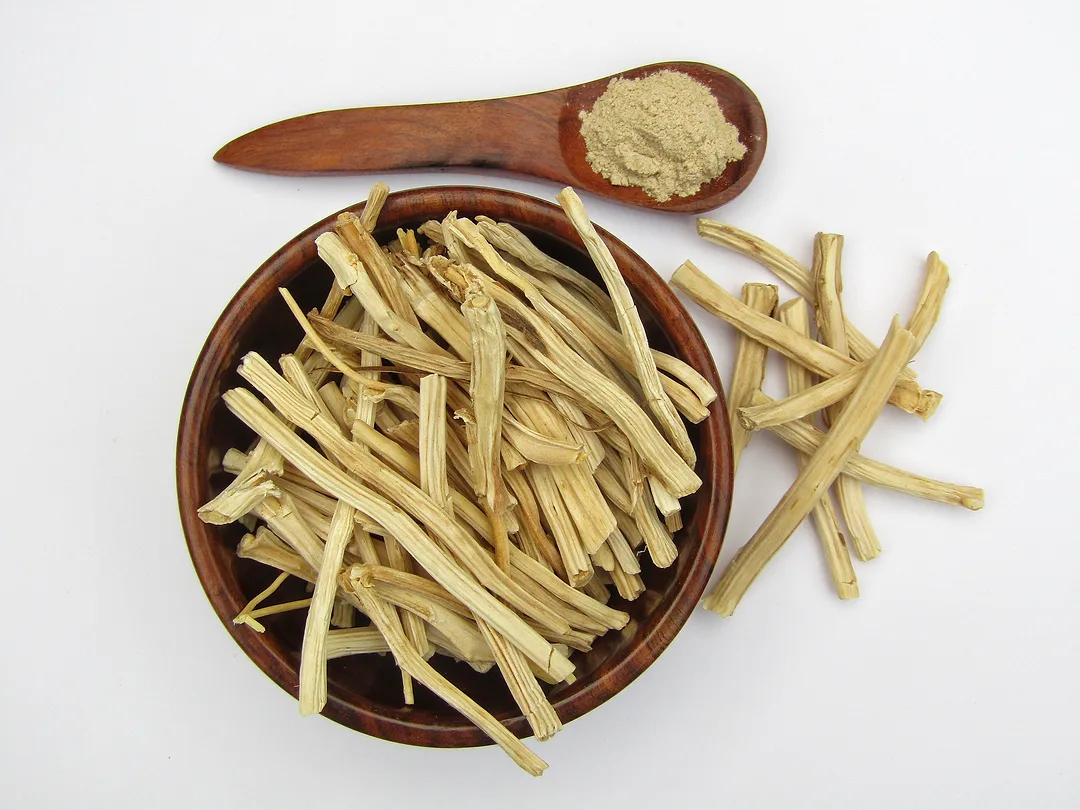
Shatavari-root-GettyImages-1447834536.jpg

Shatavari (Asparagus racemosus), a traditional Ayurvedic botanical, is gaining attention in women's wellness formulations as researchers continue to evaluate its role in lactation, menopause, fertility, and reproductive health.

| Getty Images

Women’s wellness is entering a new phase of complexity, where traditional botanicals, clinical validation, and platform-driven consumer behavior are converging faster than the industry’s ability to interpret them. Shatavari’s rapid rise across fertility conversations, hormonal health narratives, and modern supplement stacks is not just a story about one ingredient. It is a signal of a deeper structural shift in how evidence is translated into product claims. The real question is no longer whether Shatavari works, but whether the industry is applying the right level of scientific discipline to determine where, how, and for whom it works, and where it does not.

Within this shift, Shatavari’s resurgence reflects a broader move away from single-condition positioning toward life-stage wellness systems. Women are no longer engaging with reproductive health as isolated phases, but as a continuous journey that spans fertility planning, postpartum recovery, perimenopause, and long-term healthy aging. This has created demand for ingredients that can extend across multiple touchpoints, and Shatavari, with its deep pharmacognostic history in Ayurvedic reproductive health, naturally fits this narrative, as described in broader herbal medicine literature. However, the ability to span life stages commercially does not automatically translate into equal strength of evidence across those stages, which is where the distinction becomes critical.

From a clinical perspective, the existing human evidence around Shatavari presents a more nuanced picture than its market positioning suggests.

Randomized, double-blind, placebo-controlled trials do exist, which is a meaningful step forward for a botanical ingredient. Yet the strongest signals are concentrated in specific endpoints such as lactation support, where postpartum studies have shown improvements in milk production and maternal outcomes, albeit over short durations. Additional trials suggest benefits in menopausal symptoms and sexual well-being, but often rely on subjective or short-term measures. By contrast, broader claims around fertility outcomes, hormonal balance across life stages, or disease-related endpoints remain an area where longer-term and independently replicated clinical data are still evolving, despite being described as promising in review literature. This creates an important separation between what is clinically observed and what is commercially implied.

At the systems level, the challenge becomes more complex when these ingredients enter modern fertility ecosystems.

Egg-freezing journeys, ovarian reserve monitoring, and telehealth-driven reproductive care have reshaped how women engage with supplements, often framing them as proactive tools for future fertility rather than targeted support for specific physiological states. In formulation and customer-facing scientific workflows, this is where translation risk becomes visible. Ingredients with historical associations to reproductive vitality are increasingly positioned within fertility narratives, even when their strongest evidence aligns with adjacent but distinct use cases such as lactation or menopausal support. The resulting gap is not simply scientific. It reflects a growing misalignment between how evidence is generated and how consumer expectations are shaped, particularly when clinical findings do not demonstrate meaningful changes in core reproductive or hormonal markers.

At the same time, it is important to acknowledge that botanical innovation operates within constraints that differ from pharmaceutical development. Traditional use, pharmacognostic complexity, and whole-plant synergy remain meaningful considerations, particularly in a category where consumers actively seek natural and culturally rooted solutions. Standardization efforts and phytochemical characterization, including identification of key bioactive constituents such as steroidal saponins and shatavarins, represent important progress toward consistency and quality. However, the presence of standardization and early clinical data does not eliminate the need for rigorous endpoint alignment, especially when claims begin to extend into areas such as fertility outcomes or long-term hormonal regulation.

Emerging market dynamics, including increased clinical investment in botanicals and growing demand for transparency in ingredient sourcing and validation, suggest that the category is moving toward a more disciplined future.

Leading brands are beginning to shift from broad, lifestyle-driven claims to more precise, endpoint-specific positioning that reflects actual clinical findings. This evolution mirrors broader changes in digital R&D and product development workflows, where decision-making is increasingly guided by structured evidence mapping, lifecycle relevance, and measurable outcomes rather than narrative strength alone. For formulators, brand leaders, and regulatory teams, this shift underscores the need to align ingredient storytelling with clearly defined clinical endpoints and real-world use contexts.

Ultimately, Shatavari’s trajectory illustrates a larger inflection point for the women’s wellness industry.

The next generation of category leaders will not be defined by how effectively they revive traditional ingredients, but by how precisely they align those ingredients with validated endpoints, clearly defined populations, and transparent evidence hierarchies. In a market shaped by both emotional relevance and scientific scrutiny, the true competitive advantage will belong to those who build systems that connect tradition, data, and trust without allowing any one of them to outpace the others.


References:

  • Patibandla S, et al. Ayurvedic herbal medicines: A literature review of their applications in female reproductive health. Cureus. 2024;16(2):e55240.
  • Ajgaonkar A, et al. Shatavari (Asparagus racemosus Willd) root extract for postpartum lactation: A randomized, double-blind, placebo-controlled study. J Obstet Gynaecol. 2025;45(1):2564168.
  • Oyovwi MO, et al. Shatavari (Asparagus racemosus): A promising ally for fertility. Curr Nutr Rep. 2025;14(1):108.
  • Mhatre Y, et al. Efficacy and safety of Shatavari root extract in women with polycystic ovarian syndrome: A randomized, double-blind, placebo-controlled trial. Front Endocrinol (Lausanne). 2026;17:1769773.
  • Banerjee P, et al. An updated insight on the chemistry, ethnobotany, and health benefits of Asparagus racemosus. J Am Nutr Assoc. 2025;44(8):681–692.
Recommended For You
Latest Publication
Screenshot_2026-05-26_at_7.47.16_AM.jpg
June/July 2026
CovHeart.jpg
2026 Deep Dive Cardiovascular Health
Screenshot_2026-04-16_at_11.51.39_AM.png
May 2026
CovMi26.jpg
2026 Mastering the Microbiome Market
Most Popular
  • DOP Venkat8707T01.JPG

    KSM-66 Ashwagandha/Shatavari Experience: Explore Shatavari

    By WholeFoods Magazine Contributor
    June 9, 2026
  • Fostering mental wellness.

    The Pillars of Mental Resilience

    By Jennifer Joseph
    June 1, 2026
  • GettyImages-1356683353.jpg

    In Memoriam: John James Mastel Sr., Founder of Mastel's Health Foods

    By Richard Ortega, Associate Editor, WholeFoods Magazine
    June 9, 2026

WholeFoods Magazine is your one-stop resource for health and nutrition articles. We provide important information regarding industry news, research, and trends.

The Magazine

  • Current Issue
  • Subscribe
  • Renew
  • Change of Address

Information

  • Source Directory
  • Helpful Resources
  • Job Finder

About Us

  • About Us
  • Contact Us
  • Advertise

Social

NOTE: WholeFoods Magazine is a business-to-business publication. Information on this site should not be considered medical advice or a way to diagnose or treat any disease or illness. Always seek the advice of a medical professional before making lifestyle changes, including taking a dietary supplement. The opinions expressed by contributors and experts quoted in articles are not necessarily those of the publisher or editors of WholeFoods.

© Copyright 2026 WFC, Inc. All Rights Reserved.
Privacy PolicyTerms