RSS
RSS
Vote Now! 2026 Ingredient Choice Awards
July 22, 2026

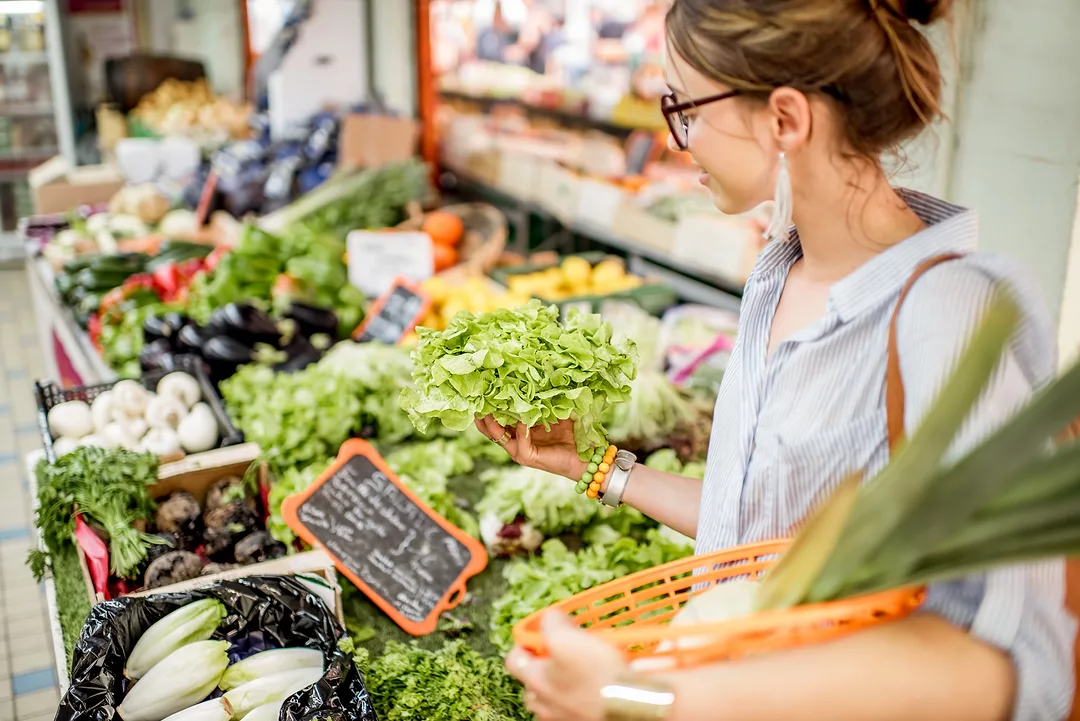
Tom Chapman, co-CEO of the Organic Trade Association (OTA), spoke at the Sustainable Foods Summit, held in San Francisco, CA, in January. He took time to answer a few questions for WholeFoods Magazine readers on the latest in the organic food category.
Whole Foods Magazine (WF): Which demographic is buying organic food?
Chapman: The strongest demographic cohorts for buying organic food are households with above-median incomes ($100,000+) and younger generations, such as Gen Z and Millennials. Where these groups overlap, the consumer base is particularly strong. Interestingly, Gen Z stands out as for prioritizing organic purchases regardless of household income.
Chapman: Organic food is generally more expensive than non-organic due to the costs associated with farming practices that improve soil health, protect drinking water quality, support biodiversity (such as songbirds), and avoid toxic synthetic pesticides and fertilizers. Additionally, organic crops are segregated from conventional crops throughout the supply chain ensuring the consumer gets the personal benefits from that product but the costs are added adding exclusive to organic. Despite this, consumers are willing to pay a premium for organic. In fact, 43% of the general population agrees that organic is worth the extra cost, rising to 50% among just the younger generations. Compared to other claims, organic ranks the highest, with over 20% more consumers agreeing it's worth the premium than the next closest claim (Raised Without Antibiotics) and over 65% more than the next third-party verified claim (Non-GMO).
Chapman: Beyond its sustainability benefits, organic food has led the way in avoiding ultra-processed foods, which research increasingly links to negative health outcomes. For example, California’s 2024 ban on four food additives highlighted their risks, but organic foods have long excluded these and many other food additives. Organic offers a healthier, less-processed option coupled with sustainability benefits, which resonate with emerging consumer trends, such as the GLP-1 audience seeking wholesome, minimally processed foods.
Chapman: During the pandemic's first year, organic products experienced significant growth. However, this slowed in subsequent years as out-of-home consumption exceeded pre-pandemic levels and inflation impacted consumer spending. In 2024, organic sales returned to growth, outpacing the total store growth rate. Organic remains well-positioned to address current debates about ultra-processed foods and healthier diets, offering solutions already embedded in its standards.
Chapman: The USDA Organic label is widely regarded as the gold standard for trust, associated with avoiding chemicals and offering perceived nutritional benefits. Other certifications resonating with consumers include Non-GMO Project Verified, the American Heart Association’s Heart-Check, and diet-related labels such as Gluten-Free and Kosher. However, consumer perceptions don’t always align with the actual definitions or intended purposes of these labels. While many in the retail and sustainability space talk about Regenerative, we haven’t seen strong consumer familiarity, importance or willingness to pay. While trust in USDA Organic remains high, there is an opportunity to educate consumers and bridge the gap between their interpretations and the labels’ true meanings through clearer communication.
Chapman: Consumers continue to prioritize personal health benefits, with growing attention to environmental claims, particularly among younger generations. However, these younger consumers are less willing to pay a premium for environmental claims alone if it increases the cost of products. Looking ahead, products that combine health and environmental benefits will likely become the preferred choice for consumers
Chapman: Organic agriculture is a critical part of the American agricultural landscape and enjoys bipartisan support. For example, under the previous Trump administration, we worked on key regulatory updates, such as the Strengthening Organic Enforcement rule, which represented the most significant revision to organic standards since their original publication.
Tom Chapman serves as co-CEO of the Organic Trade Association (OTA). He joined the trade association in April 2022, bringing 20 years of industry experience with expertise in policy and certification. Together with the board of directors and co-CEO Matthew Dillion, he is responsible for defining the association’s mission and establishing shared objectives for OTA’s member companies. Chapman leads the association’s regulatory and technical affair work, oversees the development of association programs and products, and is responsible for operations and financial management. He represents both the association and the organic trade in an official capacity when interfacing with members of Congress, the Executive Branch, media, stakeholders, and strategic allies. Chapman possesses a strong understanding of organic principles and standards and has had a career-long dedication to the organic industry, including experience in organic certification and supply chains. He started his career at Quality Assurance International (QAI), working on international organic export programs and USDA accreditation. Chapman and his teams have sourced over one billion pounds of organic ingredients during his 15 years in supply chains at Kinder’s Premium Sauces and Seasonings, Clif Bar & Company and Numi Organic Tea. He actively engaged with the organic ingredient supply chain, meeting with farmers and manufacturers to encourage and support the continued growth in organic acres to ensure supply meets growing demand. Chapman has served and chaired the National Organic Standards Board and California Certified Organic Farms Certification Services Management Committee. He has also served on the board of Mercaris and on the California Organic Products Advisory Committee.