RSS
RSSDr. Lucille Vega is a highly experienced board-certified physician with a strong passion for cannabinoid medicine and its potential for improving patients’ lives. With 23 years of practice in Family Medicine, Dr. Vega has dedicated the past 7 years to incorporating Cannabinoid Medicine into her medical approach. Her journey into the cannabinoid medicine field began when a patient shared a remarkable story of overcoming decades of prescription narcotics with the help of cannabinoids. Inspired by this transformative experience, Dr. Vega decided to explore the benefits of cannabinoids further and attended the Cannabis Career Institute, where she discovered her focus on CBD.
Quicklinks
WholeFoods Magazine

CBD Myths Debunked
Leading CBD specialist Lucille Vega, M.D., debunks CBD myths and misconceptions.
Hi, I’m Dr. Lucille Vega, and I have been in my Family Medicine practice for the past 23 years. I have studied and practiced Cannabis Medicine for the past seven years. Today, I’d like to talk about some common myths and misconceptions surrounding cannabidiol (CBD), and give you the information you need to make informed choices about CBD and wellness.
What is CBD?
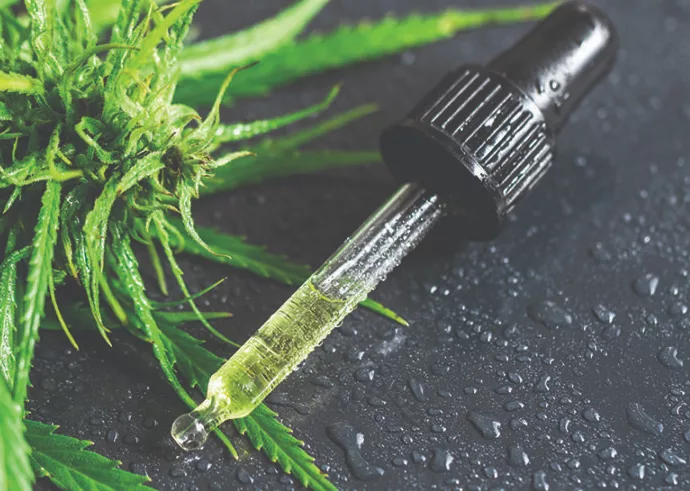
CBD is one of the 100-plus naturally occurring compounds found in the cannabis plant. CBD is abundantly found in hemp (essentially a cousin of marijuana). THC and CBD are cannabinoids. To clarify the difference between the two: THC stands for tetrahydrocannabinol but often commonly refers to Delta-9-Tetrahydrocannabinol. THC is a cannabinoid molecule in cannabis that's been recognized to be the main psychoactive ingredient that causes people to feel high or stoned. CBD is chemically similar to THC but does not have the psychoactive effects that THC does.
CBD has increased in popularity in the last several years as people turn to it for all kinds of wellness benefits, from sleep and calm to mood and pain relief. CBD can be found in many forms including tincture oil, flower, gummies, vape cartridges, topicals, soaps, bath products, inhalers, and even pet products.
Myth: CBD Gets You High
The number one misconception is that CBD gets you high like THC. It does not.
There may be a feeling of relaxation, less anxiety, and happiness–which is not the same as being high. Perhaps many folks in today's society are so stressed out, they have forgotten what it feels like to be unburdened by a constant, gnawing, anxious feeling; so when they do find a little relief, they may confuse it for the “high” effects of THC.
In the early 1960s, it was discovered that unlike THC, CBD is not a psychoactive cannabinoid. Psychoactivity means that the THC can cause you to feel euphoric, and perhaps temporarily disabling if someone is not used to the effects of THC in their body. Once again, unlike THC, CBD is non-psychoactive and does not get you stoned.
There are many reviews on the non-psychoactivity of CBD. In May 2022, a study published in the Journal of Psychopharmacology found that 15 mg, 300 mg, or 1500 mg of CBD oil did not induce feelings of intoxication or appear to impair cognitive or driving performance.
Myth: CBD is Illegal
This is probably the second most common myth about CBD. The short answer is no, CBD is not illegal. But the fuller answer is a little more complicated.
The 2018 Farm Bill removed all hemp-derived products from the controlled substances act, effectively making hemp–and with it, CBD–legal in the United States. While this means that CBD made from hemp is legal federally, each state can (and does!) interpret the Farm Bill differently, with varying degrees of restriction.
This can also mean that CBD from hemp–despite the 2018 Farm Bill–is still considered illegal in some states. Others have various restrictions in place about what part of the plant the CBD is coming from, or even that it has to have absolutely zero THC. That’s why it’s always best to check the regulations in your state, including whether you can order CBD online vs buying it in a store.
Myth: CBD is Only for Medical Use
Contrary to what some might think, you do not have to have an actual diagnosed medical condition or be a medical marijuana patient to use CBD made from hemp. Many folks turn to CBD for help with their sleep, occasional anxiety, and pain.
There is a growing trend of using CBD for wellness. For example, if CBD can help provide two extra hours of sleep for someone, that would greatly help their pain perception, cognitive agility, irritability, and overall mood. CBD can help lead to a better quality of life and better wellness just by helping a person's sleep quality.
I have many patients tell me that they are taking CBD for sleep, anxiety, and pain when they need an occasional remedy. For example, I have had patients who are “weekend warriors” tell me that after a day playing softball, they will wake up Monday morning with a sore back. They take hemp CBD for a couple of days and the soreness is resolved.
More to Know on CBD!
Dr. Vega shares additional myths, as well as helpful resources, in her blog post. And for a deeper dive into the science of CBD, natural products industry members are invited to join Dr. Vega at the Naturally Informed virtual event Stress & Mental Wellness: Mastering the Market, taking place September 26-28, 2023. Dr. Vega will be presenting PTSD & CBD research, looking at stress and Mental Health through CBD practice. Register to join Dr. Vega's educational session, which is taking at 11:50 AM – 12:20 PM ET on September 28, for a look at the latest findings. The session is free to attend, thanks to sponsor cbdMD.
Recommended For You
Latest Publication

August 2026
June/July 2026
2026 Deep Dive Active Nutrition Market

2026 Deep Dive Cardiovascular Health