People are living longer, but that doesn’t necessarily mean they are living healthier lives. More than half of adults in the United States have been diagnosed with a chronic illness. In almost all cases, these conditions are caused by poor nutrition.
Nutrition is the Root of the Problem
The general causes of poor nutrition are:
Lack of science-based global alignment on the purpose and value of nutrition;
Undervaluation of nutrition as a vital component of health and wellbeing;
Emotional, cultural and habitual ties to certain diets;
Lifestyle; and
Affordability.
The World Economic Forum, New Frontiers of Nutrition, has adopted three A’s of nutrition: availability, access, and adoption.
AI is a Viable Solution
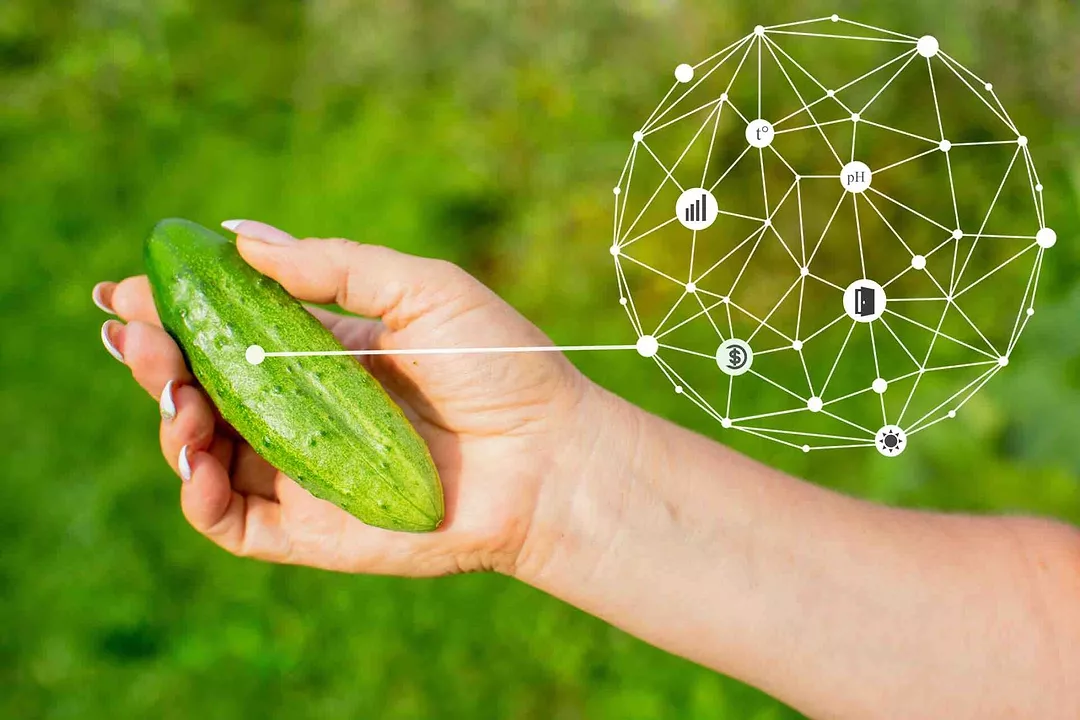
Artificial Intelligence (AI) can help us move forward without mirroring existing systemic injustice to achieve the nutrition goals for 7+ billion people on earth.
There are several ways AI is used in nutrition at present:
To identify the previously unknown nutrients in food and their impact on human health;
Enable personalized food recommendations, based on diet, nutritional needs and genetic data;
To analyze cultural diets while helping tailor nutrition goals for different population groups; and
Improve food security and reduce waste throughout the supply chain.
Traditional nutrition knowledge has helped the evolution of humans for millions of years, reach the top of the food chain. This traditional nutrition knowledge data is enormous and needs AI tools to decipher, learn and adapt to the changing supply, production and consumption needs around the world.
Modern medicine is just a blip in the human evolution timeline. The ancient traditional medicine systems of India, China, Europe, and South America are available as digitized texts. AI can be used to mine the data on useful natural medicine, functional foods and nutrition practices.
Most of the research on natural products is funded by governments throughout the world. This data belongs to the public domain. AI can be used to look for safety data, clinical evidence and sustainable practices of natural products for human health and wellbeing.
Mining the Knowledge Base with AI
There are AI tools available to extract data from millions of different ingredients and nutrients. This data set can then be analyzed using various algorithms to develop optimal formulation for sustainable, efficacious, and affordable dietary supplements and food products.
The demand for plant-based foods is developing rapidly. AI can help find ideal compositions and combinations for various nutrition needs.
Our present knowledge of plant biochemistry is very limited. Out of trillions of phytochemicals, we have isolated and characterized only 1%. Our knowledge is still under development for the precise mechanisms of action of plant components to our bodies. This knowledge gap exists at the molecular level. AI is helping scientists learn the biochemical interaction between plant chemicals and human cells by modeling and use of omics technologies.
Utilizing AI for Natural Product Innovation
There is a need for nimble and agile innovation in the field of nutrition ingredients. The innovation chain is a reverse pyramid where most of the innovation is done by ingredient manufacturers with the least amount of profits.
There is always a need for the next “new” ingredient. There are a very few ingredients that lasted the test of time in the nutritional supplement market. AI can help accelerate the cycle of discovery. AI models can be used to identify the potential toxins from the plants. Data analysis of reported phytochemicals in an extract can help refine the extraction process to avoid potential safety issues. There are several databases available for Indian and Chinese herbs detailing traditional, genomic and chemical information of plants. Then there are ancient scripts, written texts in various indigenous languages with vast details of traditional medicinal plants, methods of preparation and use for various health conditions.
There is a lot of data available on traditional culinary practices and methods to preserve nutritional value of the plants and ways to consume them for maximum health benefits. All the available knowledge can be analyzed and mined for rediscovery of the beneficial effects of the plants. Once the plants and their benefits are associated using AI, further data modeling using technologies such molecular docking, binding affinity predictor, structure elucidation, subfragment matching, RNN-CNN (recurrent neural networks - convolutional neural networks) can help find new bioactives.
For conceptual AI-assisted framework for plant-derived bioactive discovery, information phytochemical compositions and traditional therapeutic use of the medicinal plant are needed. The preparatory HPLC (high-performance liquid chromatography), nonspecific mass spectrometry can deposit unstructured phytochemical information in a database. By using an AI platform, a structure can be predicted. On a parallel platform, applying an AI-assisted natural language-processing system will help compile the therapeutic uses of the medicinal plant from all ancient scripts. All these exercises will produce a list of therapeutic targets and related bioactive compounds. The next step is to use data on mechanisms of action for bioactive compounds to match the data obtained from AI exercises using neural networks, generative and predictive, to create a structure-function association.
AI can also help to break the silos in which the nutrition industry works. The anonymized data can be analyzed for effectiveness of nutritional ingredients across the value chain. It will help develop ingredient efficacy models to maximize end user health outcomes.
 RSS
RSS