RSS
RSS
Quicklinks
WholeFoods Magazine
Why Vegan? 4 Reasons to Sell Vegan Hair & Skin Products
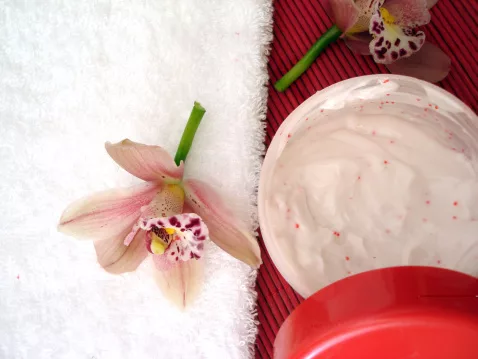
Interest in vegan products is growing at an exponential rate, and the vegan beauty market alone set to reach $21.4 billion by 2027, It seems like more and more consumers are choosing to go vegan, if only in the products they buy. In this world where customers are becoming increasingly conscious about what they buy, it is important to understand the benefits and reasoning behind this trend.
Interest in vegan products is growing at an exponential rate, and the vegan beauty market alone set to reach $21.4 billion by 2027, It seems like more and more consumers are choosing to go vegan, if only in the products they buy. In this world where customers are becoming increasingly conscious about what they buy, it is important to understand the benefits and reasoning behind this trend.
1. Cruelty-Free
One of the most common reasons people become vegans is to limit the amount of animals that are killed every day to supply us with food. By additionally using vegan and cruelty-free products, it is possible to extend the impact made in the lives of animals who would otherwise be taken advantage of and mistreated. Animal testing is outdated and senseless. Large companies like Dove, Axe, and more have begun making the switch to cruelty-free products thanks to the efforts of the vegan community. Buying and selling cruelty-free products is a way to apply increased pressure to big name brands that have refused to stop testing their products on animals by lowering the demand for their items.2. Lack of Animal Byproducts
Another reason people are switching to vegan cosmetics has to do with the animal byproducts commonly found in large quantities of non-vegan products. If as a vegan one is committed to not consuming animal products, it would seem strange to put animal byproducts in their hair and on their skin. Even for non-vegans, some of these ingredients would make anyone think twice. Known animal byproducts used in other brands include squalene (shark liver oil), carmine (crushed-up beetles), ambergris (whale vomit), allantoin (cow urine), placenta (sheep organs), and more. Not only are these ingredients stomach-turning, but they are no better for a person’s hair and skin than their vegan alternatives.3. Better for Skin
The skin is the largest organ in the body, and as such it is important to be careful what is put on it. When eating and drinking, chemicals and toxins get largely filtered out through the liver and kidneys. However, when something is applied to the skin, it can be absorbed directly into the bloodstream without those filters. Because of this, it is essential that hair and skin products use ingredients that are safe to be absorbed by the body, and vegan cosmetics have more natural ingredients, making them safe for absorption through the skin.4. Not Just Natural
Something important to keep in mind: The benefits of vegan products are not just because they use “natural” ingredients. While overall natural products are a good way to go, using only natural ingredients can limit a product’s effectiveness and shelf-life through the separation of ingredients and bacterial growth. There are plenty of synthetic chemicals that are healthy, safe, and vegan. When paired with other natural ingredients, these chemicals make the best possible product on the market. Helping customers understand this differentiation is another pivotal step to further increasing the influence of vegan beauty products on the market.Interest in vegan products is growing at an exponential rate, and the vegan beauty market alone set to reach $21.4 billion by 2027, It seems like more and more consumers are choosing to go vegan, if only in the products they buy. In this world where customers are becoming increasingly conscious about what they buy, it is important to understand the benefits and reasoning behind this trend.
1. Cruelty-Free
One of the most common reasons people become vegans is to limit the amount of animals that are killed every day to supply us with food. By additionally using vegan and cruelty-free products, it is possible to extend the impact made in the lives of animals who would otherwise be taken advantage of and mistreated. Animal testing is outdated and senseless. Large companies like Dove, Axe, and more have begun making the switch to cruelty-free products thanks to the efforts of the vegan community. Buying and selling cruelty-free products is a way to apply increased pressure to big name brands that have refused to stop testing their products on animals by lowering the demand for their items.2. Lack of Animal Byproducts
Another reason people are switching to vegan cosmetics has to do with the animal byproducts commonly found in large quantities of non-vegan products. If as a vegan one is committed to not consuming animal products, it would seem strange to put animal byproducts in their hair and on their skin. Even for non-vegans, some of these ingredients would make anyone think twice. Known animal byproducts used in other brands include squalene (shark liver oil), carmine (crushed-up beetles), ambergris (whale vomit), allantoin (cow urine), placenta (sheep organs), and more. Not only are these ingredients stomach-turning, but they are no better for a person’s hair and skin than their vegan alternatives.3. Better for Skin
The skin is the largest organ in the body, and as such it is important to be careful what is put on it. When eating and drinking, chemicals and toxins get largely filtered out through the liver and kidneys. However, when something is applied to the skin, it can be absorbed directly into the bloodstream without those filters. Because of this, it is essential that hair and skin products use ingredients that are safe to be absorbed by the body, and vegan cosmetics have more natural ingredients, making them safe for absorption through the skin.4. Not Just Natural
Something important to keep in mind: The benefits of vegan products are not just because they use “natural” ingredients. While overall natural products are a good way to go, using only natural ingredients can limit a product’s effectiveness and shelf-life through the separation of ingredients and bacterial growth. There are plenty of synthetic chemicals that are healthy, safe, and vegan. When paired with other natural ingredients, these chemicals make the best possible product on the market. Helping customers understand this differentiation is another pivotal step to further increasing the influence of vegan beauty products on the market.Recommended For You
Latest Publication

August 2026
June/July 2026
2026 Deep Dive Active Nutrition Market

2026 Deep Dive Cardiovascular Health