RSS
RSS
Quicklinks
WholeFoods Magazine

Chef Adonis Witt on 5 Plant-Based Trends, the Benefits of Chia & Why Regenerative Agriculture is Key
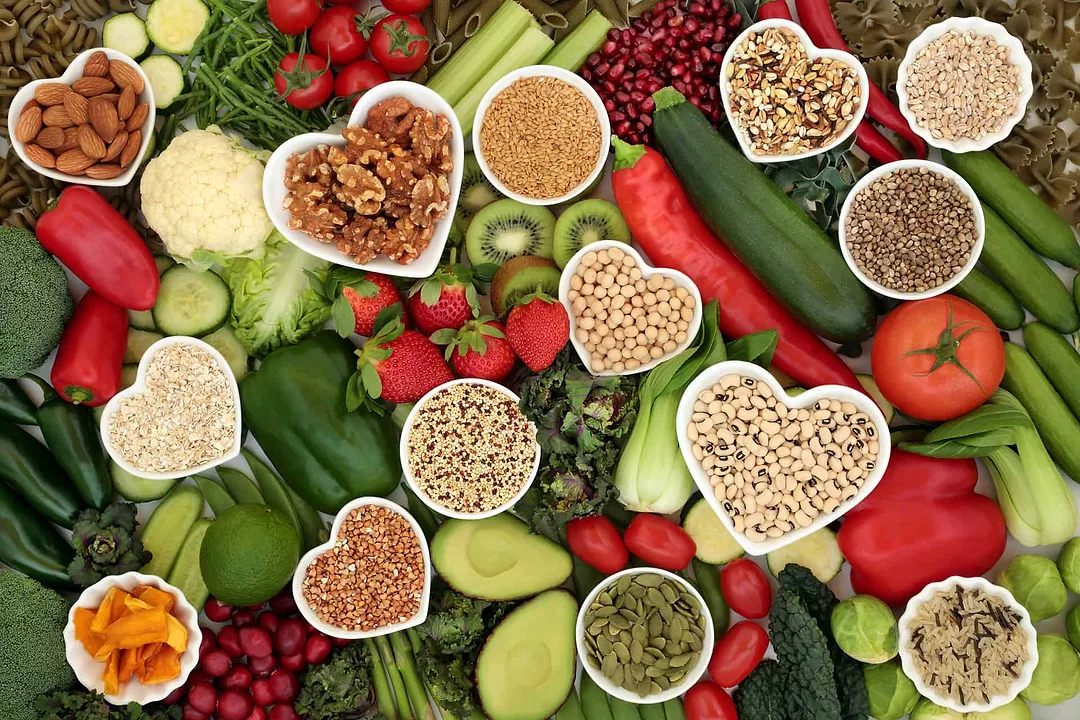
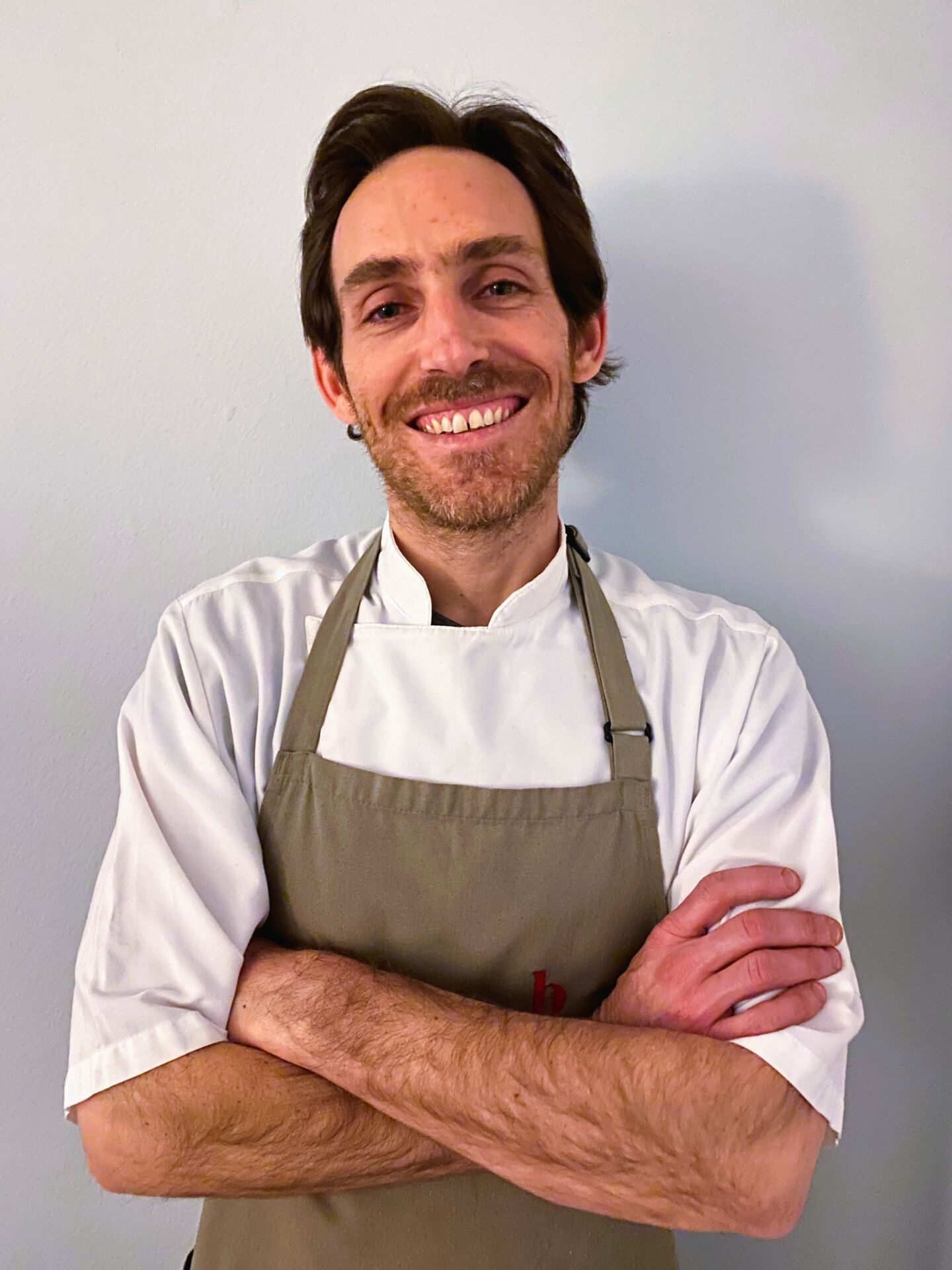
When it comes to plant-based trends, Adonis Witt is in-the-know. A classically trained chef with 20 years of experience, Witt has worked with a wide range of cuisines utilizing local farms and artisans. His interest is in scratch kitchens focusing on seasonal, market-driven food that is served in a simple-yet-elegant manner. He spent his childhood watching, learning, and practicing in the family kitchen at the hands of his Greek Grandmother. Witt answers some questions about the plant-based diet and lifestyle. He shares his thoughts on the new plant-based trends he’s been spotting, regenerative farming practices for the production of plant-based ingredients, how chia enhances a plant-based diet, and unique ways to incorporate chia into plant-based cooking.
Trent: What are new trends in plant-based cooking?
Witt: Five of the trends I'm seeing:
- Plant-based meat/seafood alternatives that are more "meatier/seafoodier" tasting and mouth-feeling.
- Flexitarian diets: Omnivores deciding to eat plant-based foods with higher protein content to make up for not eating meats.
- Clean label plant-based foods, fewer ingredients, and no artificial/preservatives. Some of the old plant-based products are full of artificial ingredients that are not good for you. So, by eating these things, you are not improving your personal health.
- Expansion of plant-based products into every aisle, not just an aisle with a vegan section.
- Younger generations are eager to incorporate new plant-based foods into their diet and will come to like the non-familiar tastes because they want to be more environmentally sustainable and worker-friendly.
Witt: Regenerative farming uses a plant’s photosynthesis to sequester carbon in the soil, which makes it more drought resistant, increases water retention, increases nutrient density, improves soil health, and takes carbon out of the air. This is of the utmost importance when the point of a plant-based diet is to improve not only your own personal health but the overall health of the planet. Eating plant-based foods that don’t use regenerative farming cancels out what some consider the most important reason to eat a plant-based diet.
Trent: Why are you such a fan of chia?
Witt: We want to use chia seeds that come from sustainable, small farms that use regenerative farming practices. We work with a company called Seeds of Wellness that follows that model. They have no waste during growth and production and use small farms that create livelihoods for the farmers in the area.
Chia seeds need minimal irrigation if grown in the proper setting, so it doesn't use additional water and it also has the added benefit of being high in omega 3 acids that are important because they are anti-inflammatory when consumed. And the seeds can be used in a variety of ways that are going to promote good health.
Trent. How does chia enhance a plant-based diet?
Witt: Chia has a lot of omega-3 fatty acids that can be lacking in a plant-based diet. These acids help with anti-inflammation in the body, which is vital to good internal health. They also provide a good amount of protein and fiber, which can be challenging to consistently get in plant-based diets.
Trent: What are some of the creative ways you cook with chia?
Witt: Chia seeds can be used in a variety of ways. The easiest is to add them to a salad dressing or sauce. Or they can be sprinkled on top of anything you are going to eat as they can be consumed in their dried state.
Soaking chia seeds allows them to take on a chewy tapioca type texture that you can add to parfaits or desserts for a nutritional boost.
There are also some great chia seed products on the market that have very clean label. We use Seeds of Wellness products and love them. We use it in a cauliflower soup, polenta, and two ice creams. We have found that the nutty flavor profile really works well on those dishes. They also make a cold pressed chia oil with a high smoke point. We use that oil when we sear vegetables because of the high smoke point and the nutty flavor it imparts.
Trent: What else would you like to share about plant-based cooking, regenerative farming and chia?
Witt: I believe it’s very important for the health of the globe and humanity in general that we start to transition to plant-based foods that use regenerative farming. And chia seeds are such a benefit to the farms and farmers that produce them, and have such a benefit for consumers, that it should be a staple ingredient in everyone's kitchen.
Recommended For You
Latest Publication

August 2026
June/July 2026
2026 Deep Dive Active Nutrition Market

2026 Deep Dive Cardiovascular Health