Note: The views and opinions expressed here are those of the author(s) and contributor(s) and do not necessarily reflect those of the publisher and editors of WholeFoods Magazine.
Bringing a child into the world can be a scary endeavor and getting the health facts straight about what to consume—or avoid—during pregnancy, and after the baby is born, can be daunting. Contradicting health headlines and commentary-filled social media feeds bombard expectant mothers with fears and concerns they may have never considered.
It can be difficult for new moms to navigate through the old wives' tales and unsaid rules of pregnancy. However, as more information and studies are published, old theories are being discredited and giving way to new practices. To avoid confusing facts with fiction, it’s important for expectant mothers to pay attention and to seek the advice of their health providers.
In the age of minute-to-minute digital information, I caution mothers on fables and facts when it comes to these critical issues surrounding babies, bottles and booze:
Fable: You’re eating for two — so eat whatever, however you want
Fact: Nutrition first and foremost
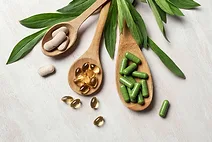
Pregnancy and lactation exert a marked effect on a woman’s body; therefore, it’s important that her nutritional status be at its best. A mother’s body requires enough nutrients to maintain her needs and those of the developing baby. It’s important that women consume a balanced diet with nutrient dense foods—foods that have an abundance of nutrients for the calories, rather than foods that have an abundance of calories, with a paucity of nutrients. I advise pregnant and lactating women additionally to consume a prenatal vitamin to ensure adequate intake of needed nutrients—particularly folic acid, iron, and calcium
Folic acid/folate: An extremely important nutrient for the developing fetal brain and spinal cord. Deficiencies of this vital element in the diet can predispose congenital anomalies along the baby’s nervous system. I advise consuming about 400 micrograms of folic acid at least 3 months prior to conception, approximately 600 micrograms during pregnancy, and around 500 micrograms daily with breastfeeding. Foods with an abundance of this nutrient include dark leafy vegetables and oranges.
Iron: Needed to prevent anemia and specifically iron deficiency anemia, which every pregnant woman has due to the body’s accumulation of fluid during pregnancy. Pregnant women require about 27-30 milligrams per day; breastfeeding moms around 10 milligrams. Foods that are high in iron include leafy green vegetables, beans and lean meats.
Calcium: Needed because the baby requires it for the development of its heart and bones, muscles and nervous system. If calcium isn’t supplied with the mother’s diet, it is taken from the mother’s bones for the developing fetus. Pregnant and breastfeeding moms require about 1,000-1,400 milligrams per day of this important nutrient.
I like to stress to my patients that fried foods, processed foods, sugary foods, sodas and bottled juices should be consumed minimally, if at all. Water, fresh fruits and vegetables, baked or broiled meats are preferred. Cooked vegetables tend to lose their nutritive concentration, so try to eat as many raw vegetables as possible. Small snacks throughout the day help keep blood sugar levels steady as opposed to eating three heavy meals per day, which causes the blood sugar to markedly fluctuate. During pregnancy and lactation, I readily advise a consultation with a nutritionist to ensure you are getting the necessary nutrients in the diet, particularly if you are vegan.
Fable: Breast is Best
Fact: Formula is fine (and carrageenan is vital)
We’ve all heard the familiar “breast is best” mantra, however it’s not the only nutritious option for baby, and new moms should not worry that they are providing insufficient nutrition for their child if they have to supplement with formula or use it exclusively.A scare tactic used against mothers regarding formula is that formula contains an ingredient called carrageenan that food fear-mongers claim is not safe — but this could not be further from the truth. Carrageenan is a naturally occurring ingredient extracted from edible red seaweed and used in infant formula to ensure those vital nutrients remain mixed throughout the fluid and prevent settling on the bottom, which is particularly important for babies who are fussy and may not drink an entire bottle in one feeding. Current human clinical trials have noted that it has other beneficial properties beside keeping ingredients mixed together—it reduces inflammation, cholesterol, and exhibits antiviral properties, particularly for those viruses that plague us during cold and flu season. The FDA, Food & Agriculture Organization of the United Nations and the International Agency for Research on Cancer, have all confirmed carrageenan’s safety in human consumption. Not only is it healthy and safe, carrageenan seaweeds are sustainably harvested and responsible for employing 75,000 farmers globally, which is another reason to feel good about feeding your baby formula.
Fable: A Little Wine is Fine
Fact: Have a Mocktail Instead
I advise any woman who is trying to become pregnant, or is pregnant, to avoid alcohol completely. Prenatal exposure to alcohol is the leading preventable cause of birth defects in the United States and several negative effects of alcohol regarding babies are grouped together under the term fetal alcohol spectrum disorders (FASDs). There is no type or amount of alcohol that is safe to consume when it comes to FASDs, which can result in children with small head size, short stature, clumsiness, hyperactivity, poor attention span, delayed speech and language, learning disabilities, low IQ, visual defects or hearing defects, as well as heart, kidney or bone defects. With breastfeeding, the alcohol does not transfer straight into the breast milk; however erring on the side of caution is best when considering alcohol consumption while breastfeeding. A baby’s brain is developing rapidly in the first year of life, so it’s advisable to provide the best opportunity possible for high-functioning development and stay as pure as feasible while breastfeeding.
 RSS
RSS